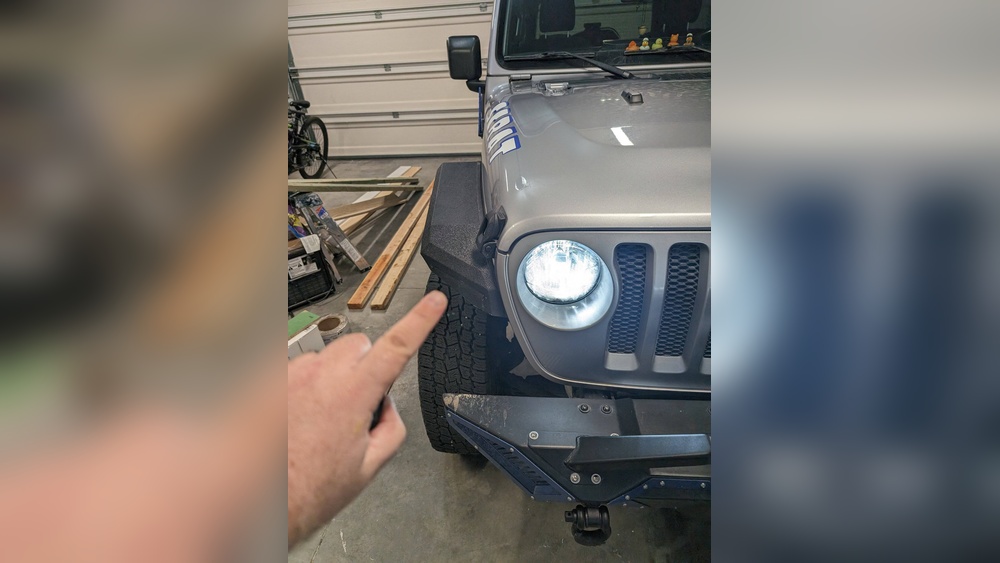
When you walk up to your car at night and the headlights automatically light your path, it feels like magic. This feature is called Headlight Illumination on Approach, and it’s quietly transforming how drivers interact with their vehicles. It adds a layer of safety, convenience, and even a sense of welcome every time you return to your car in a dark parking lot or driveway. But how exactly does this system work, why is it gaining popularity, and what should you know about its benefits and limitations? This article breaks down everything you need to know, in clear and simple language, so you can understand what Headlight Illumination on Approach is and why it matters.
What Is Headlight Illumination On Approach?
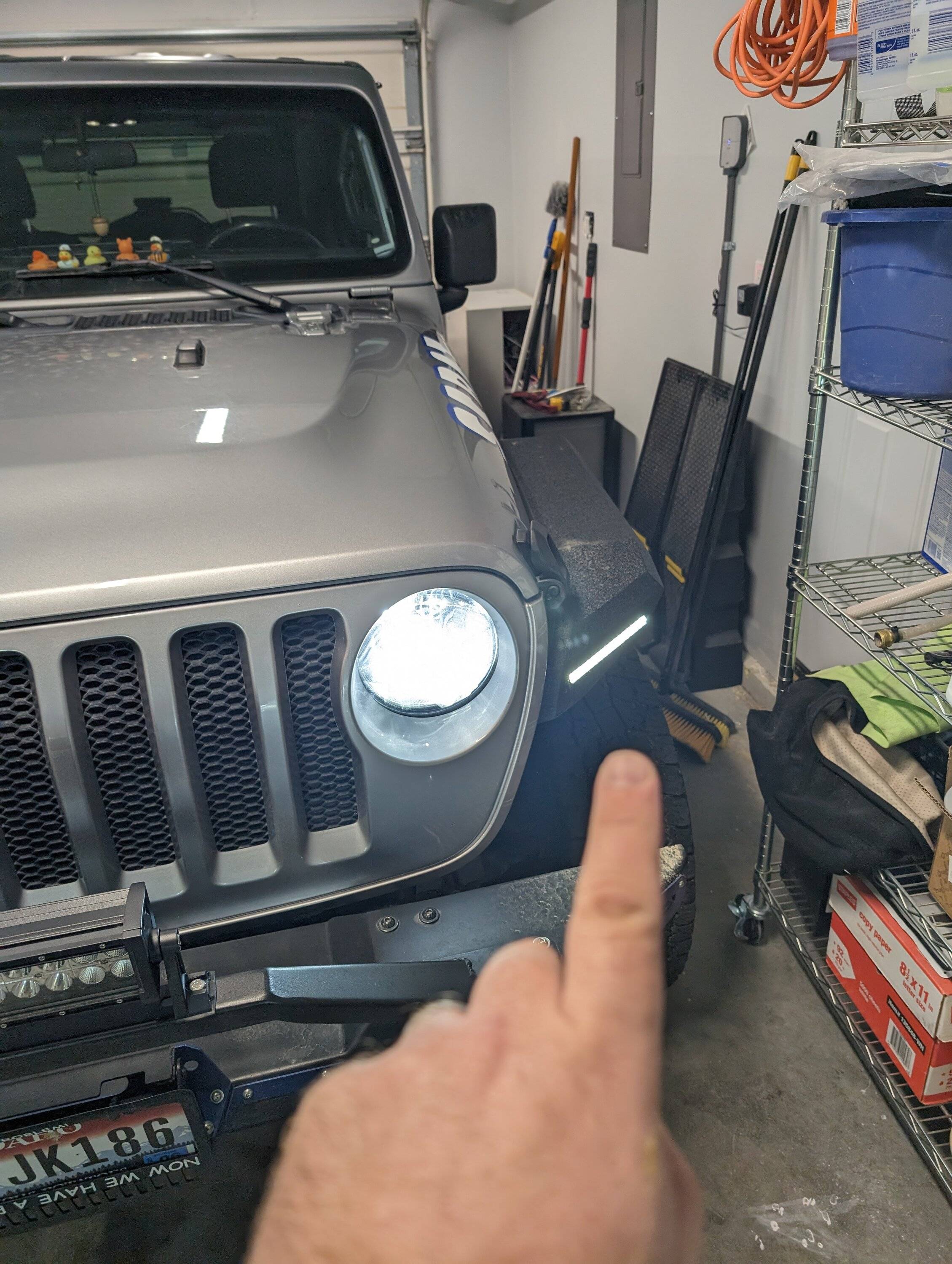
Headlight Illumination on Approach is a car feature that automatically turns on the vehicle’s exterior lights—usually the headlights and sometimes the taillights—when the driver approaches with the key fob or smart key. The lights stay on for a short time, lighting up the area around the car. This makes it easier to find your car, see any obstacles, and unlock the doors safely, especially in dark or poorly lit areas.
This feature is sometimes called “Follow Me Home,” “Home Safe Lighting,” or “Approach Lighting,” depending on the car brand. While the names differ, the goal is the same: make your return to your vehicle safer and more comfortable.
How It Works
Modern cars often use keyless entry systems or smart keys. When you walk close to your car, the system detects your key fob—usually within a range of 2 to 10 feet. The car’s computer then triggers the headlights (and sometimes other lights like puddle lamps or taillights) to turn on. The lights stay on for a preset time (often 30 to 90 seconds) or until you unlock or enter the car.
Some advanced systems use motion sensors, smartphone apps, or even GPS to trigger the lights. But most rely on the signal from your key fob.
Why Headlight Illumination On Approach Matters
This feature may sound simple, but it offers several important benefits for drivers. Let’s explore why it’s becoming standard on many new cars.
Safety
The main reason for Headlight Illumination on Approach is safety. Walking to your car at night can be risky—parking lots, garages, and driveways are often dark, and it’s easy to trip over curbs, ice, or other hazards. By lighting up the area around your car, the system helps you:
- See where you are walking
- Spot any obstacles or slippery spots
- Identify if someone is near your car
Many users don’t realize that this feature can also deter crime. A lit-up car is less attractive to potential thieves or attackers. Even the simple act of the lights coming on signals that someone is approaching.
Convenience
This feature also makes life easier. You can find your car in a crowded, dimly lit parking lot, see the keyhole or door handle, and get settled inside without fumbling in the dark. For parents with children, arms full of groceries, or anyone who values a little extra comfort, it’s a small but meaningful improvement.
Vehicle Longevity
Some owners worry about battery drain, but most systems are designed to use LED lights or low-energy bulbs, and the on-time is carefully limited. This means the impact on the car’s battery is minimal. Many systems also allow you to adjust the timing or turn the feature off completely if you prefer.
Modern Appeal
Today’s car buyers expect smart technology and thoughtful touches. Features like Headlight Illumination on Approach help cars feel more premium and up-to-date. It’s one of many “hidden” features that add to overall satisfaction, even if you don’t think about it every day.
How Car Brands Implement Headlight Illumination On Approach
While the core idea is the same, different manufacturers have their own approach. Here is a comparison of how some popular brands handle this feature:
| Brand | Feature Name | How It’s Activated | Adjustable Timing? |
|---|---|---|---|
| Toyota | Follow Me Home | Key fob proximity or unlock | Yes (via settings) |
| Ford | Approach Detection | Key fob or keypad entry | Yes |
| BMW | Welcome Light | Key fob or door handle touch | Yes |
| Honda | HomeLink Lighting | Key fob unlock | No |
| Hyundai | Puddle Lamp Welcome | Key fob proximity | Limited |
As you can see, the basic idea is consistent, but the details—like adjustability, which lights come on, and how it’s triggered—can vary. Always check your owner’s manual to see exactly how your car’s system works.
Key Features And Technical Details
Understanding the technical side can help you appreciate how Headlight Illumination on Approach fits into your car’s overall lighting system.
Typical Components
Most systems involve:
- Keyless entry receiver: Detects the key fob’s presence.
- Body control module: The car’s “brain,” which decides when to turn the lights on or off.
- Exterior lights: Usually the main headlights, but sometimes taillights, parking lights, or side mirror puddle lamps.
- Timers and relays: Control how long the lights stay on.
Integration With Other Systems
Often, Headlight Illumination on Approach is tied to other car technologies:
- Automatic headlights: Work together with approach lighting for seamless operation.
- Puddle lamps: Small lights under the side mirrors that shine on the ground, helping you see where you step.
- Interior lights: Some systems also turn on the cabin or footwell lights as you approach.
Adjustable Settings
On many cars, you can customize the feature in the vehicle’s settings menu. You might be able to:
- Change how long the lights stay on (e.g., 15, 30, 60 seconds)
- Choose which lights are activated
- Turn the feature off completely
This flexibility means you can set the system to match your habits and needs.
Power Management
Modern systems use low-energy components and only run for a short time, so battery drain is minimal. On older cars with halogen bulbs, there might be a slightly higher energy use, but this is rarely a problem unless the battery is already weak.

Real-world Scenarios: When Headlight Illumination On Approach Makes A Difference
It’s easy to overlook this feature until you experience situations where it really shines (literally and figuratively). Here are some real-life examples:
- Late-night shopping trip: You return to your car in a large parking lot. The area is dark, and other cars make it hard to see where you parked. As you approach, your car’s lights turn on, making it easy to spot and lighting your path.
- Rainy evening: You’re carrying bags in both hands, trying to avoid puddles. The illuminated area around your car helps you see where to step, keeping your shoes dry and avoiding slips.
- Apartment parking garage: With poor lighting and lots of corners, safety can be a worry. The approach lighting acts as a visual signal that you’re about to get in, which can discourage anyone with bad intentions.
- Home driveway: On a winter night, your driveway may be icy or snow-covered. The extra light helps you notice slippery spots and keeps you safer as you unlock and load your car.
People sometimes underestimate how much these small details improve daily life until they experience them firsthand.
Headlight Illumination On Approach Vs. Other Lighting Features
How does this compare to other “smart” lighting functions? Here’s a side-by-side look at some related features:
| Feature | Main Function | When It Works | Benefit |
|---|---|---|---|
| Headlight Illumination on Approach | Lights up area near vehicle as you approach | When key fob is detected near car | Safer, easier entry |
| Automatic Headlights | Turns headlights on/off based on ambient light | While driving or parked | Hands-free operation |
| Follow Me Home | Keeps headlights on after engine off | When leaving the car | Lights your path leaving the car |
| Puddle Lamps | Illuminates ground near doors | When doors are unlocked or opened | Prevents stepping in puddles/obstacles |
| Welcome Interior Lighting | Lights up inside car as you approach | Key fob detected or door unlocked | Comfort, visibility inside car |
While these features may sound similar, each serves a distinct purpose. Headlight Illumination on Approach is unique because it focuses on lighting up the exterior area before you even touch the car.

How To Enable Or Adjust Headlight Illumination On Approach
If your car has this feature, you may be able to customize it to suit your preferences. Here’s how to get started:
1. Check Your Owner’s Manual
Every car is different. Look for terms like “Approach Lighting,” “Welcome Light,” or “Exterior Light Delay. ” The manual will tell you if your vehicle has this feature and how it works.
2. Use The Vehicle’s Settings Menu
Many newer cars let you change lighting settings through the infotainment system or a dedicated menu on the dashboard. You might find options to:
- Adjust how long the lights stay on
- Choose which lights are involved (headlights only, or headlights and taillights)
- Turn the feature off if you prefer
3. Try The Key Fob
Some cars use a double-press or long-press of the unlock button to trigger the lights. Experiment with your fob to see if you can activate the feature manually.
4. Ask Your Dealer
If you’re unsure or can’t find the settings, your dealership can help. They may be able to enable, disable, or adjust the feature for you.
5. Aftermarket Options
If your car doesn’t have this feature, some aftermarket kits are available. These range from simple add-ons (wiring harnesses that keep the headlights on) to smart modules that work with your existing key fob. However, installation can be tricky, and not all kits work with every car.
Always check compatibility before buying.
Common Problems And Troubleshooting
Like any electronic system, Headlight Illumination on Approach can sometimes have issues. Here are some common problems and solutions:
The Lights Don’t Come On
- Make sure your key fob battery isn’t weak.
- Check the settings menu—maybe the feature is turned off.
- On some cars, the feature only works at night or in low light. Try testing in a dark environment.
- If you’ve had work done on your car’s electrical system, ask your mechanic to check the connections.
Lights Stay On Too Long
- Adjust the timer in the settings menu if possible.
- If the lights don’t turn off, there may be a problem with a relay or the body control module. This usually requires a dealer or qualified technician.
Battery Drain Concerns
- If your car sits unused for long periods, consider disabling the feature.
- Newer cars use LED lights, which are very efficient. If you have an older vehicle with halogen lights and a weak battery, you may want to limit use in winter.
Interference With Other Features
- Some remote start or alarm systems can conflict with approach lighting. If you notice odd behavior, check with your installer.
Non-obvious Insights: What Many Drivers Miss
While Headlight Illumination on Approach seems straightforward, there are a few details even experienced drivers often overlook:
- Adjustment for Different Environments: In very bright areas (like a well-lit garage or city street), the approach lighting may not activate at all. The system often uses a light sensor to avoid wasting energy when extra light isn’t needed. If you expect the lights to come on and they don’t, check the ambient light level.
- Integration With Security Systems: On some cars, the headlights flash or stay on longer if the alarm is triggered or someone tries to tamper with the vehicle. This can be confusing if you’re not expecting it, but it’s actually a smart security feature.
- Impact on Insurance Premiums: Some insurers give small discounts for vehicles with enhanced safety features, including lighting systems that reduce the risk of accidents or theft. It’s worth checking if your policy recognizes this benefit.
- Regional Differences: In some countries, regulations limit how long exterior lights can stay on when the engine is off. If you import a car or travel abroad, the system’s behavior might change to meet local laws.
The Future Of Headlight Illumination On Approach
Car technology evolves quickly, and lighting is no exception. In the next few years, expect to see:
- Full LED matrix headlights: These can light up specific areas based on where you walk, not just the whole area.
- Personalized welcome sequences: Some luxury brands are experimenting with custom light patterns or even projecting a logo on the ground as you approach.
- Integration with smartphones: Your car may one day recognize you by your phone, not just the key fob, and adjust lighting and other settings automatically.
- Voice-activated lighting: Say “light my car” into your phone or smartwatch, and the car responds even before you reach it.
These features will make Headlight Illumination on Approach even more user-friendly and secure.
Environmental Impact
It’s worth noting that modern systems use energy-efficient LED lights, which last longer and use less power than old-fashioned bulbs. While the extra energy use is small, every bit helps as the world moves toward greener technology. If you care about sustainability, look for cars that use all-LED lighting systems.
How To Decide If You Need Headlight Illumination On Approach
If you’re shopping for a new or used car, is this a must-have feature? Consider these factors:
- Where you park: If you often park in dark areas or walk alone, the added safety is valuable.
- Weather: In regions with snow, ice, or rain, approach lighting can help you see hazards and stay safe.
- Family needs: For families with kids or older adults, the convenience and safety are even more important.
- Budget: Most mid-range and premium cars include this feature as standard, but it may be an option or unavailable on basic models.
Don’t let this feature be the only reason you choose a car, but it’s a meaningful bonus, especially if you value safety and convenience.
Frequently Asked Questions
What Is Headlight Illumination On Approach?
Headlight Illumination on Approach is a car feature that automatically turns on the vehicle’s exterior lights (usually headlights and sometimes taillights or puddle lamps) when the driver approaches with the key fob or smart key. It helps you see your car and the area around it, making it safer and easier to get in, especially at night.
Does Every Car Come With Headlight Illumination On Approach?
No, not all cars have this feature. It is common on newer vehicles and mid-to-high-end models. Some entry-level cars may not include it, but it is becoming more popular. Always check the car’s features list or ask the dealer if you’re unsure.
Can I Add Headlight Illumination On Approach To My Existing Car?
In some cases, yes. There are aftermarket kits that can add this feature, but installation can be complex and not all cars are compatible. It’s important to choose a kit that matches your vehicle and to have it installed by a professional for safety and reliability.
Does Headlight Illumination On Approach Drain The Car Battery?
The system is designed to use little power, especially with LED lights, and the on-time is short (usually less than a minute). For most drivers, battery drain is not an issue. However, if your car’s battery is old or the car sits unused for long periods, you may want to disable the feature.
Where Can I Learn More About Car Lighting And Safety Features?
A great resource is the Wikipedia page on automotive lighting. It covers the history, technology, and regulation of vehicle lighting systems around the world.
Headlight Illumination on Approach is one of those features that quietly makes driving safer and more enjoyable. Once you experience it, you may never want to go back. Whether you’re shopping for a new car, thinking about adding the feature, or just want to get the most from your vehicle, understanding how it works will help you make smarter, safer choices.