If your Jeep Wrangler’s radiator fan keeps running, it can be worrying. The fan is important for cooling your engine, but when it doesn’t turn off, it may signal a deeper problem. Many Jeep owners face this issue, and it’s not just annoying—it can also drain your battery, reduce fan life, and point to a risk of overheating. Understanding why this happens, how to diagnose it, and what you can do is critical. With the right knowledge, you can avoid expensive repairs and keep your Jeep running smoothly.
Why The Radiator Fan Matters
The radiator fan pulls air through the radiator to help cool the engine. It switches on when the engine gets hot or when you use the air conditioning. In most modern Jeeps, the fan is controlled electronically. Normally, it runs for a short time and turns off when the temperature drops. If it keeps running, something is wrong in the system.
How The Jeep Wrangler Radiator Fan Works
Your Jeep Wrangler’s cooling system has several parts working together:
- Coolant temperature sensor: Measures engine temperature.
- Engine Control Module (ECM): Receives data from sensors and tells the fan to turn on or off.
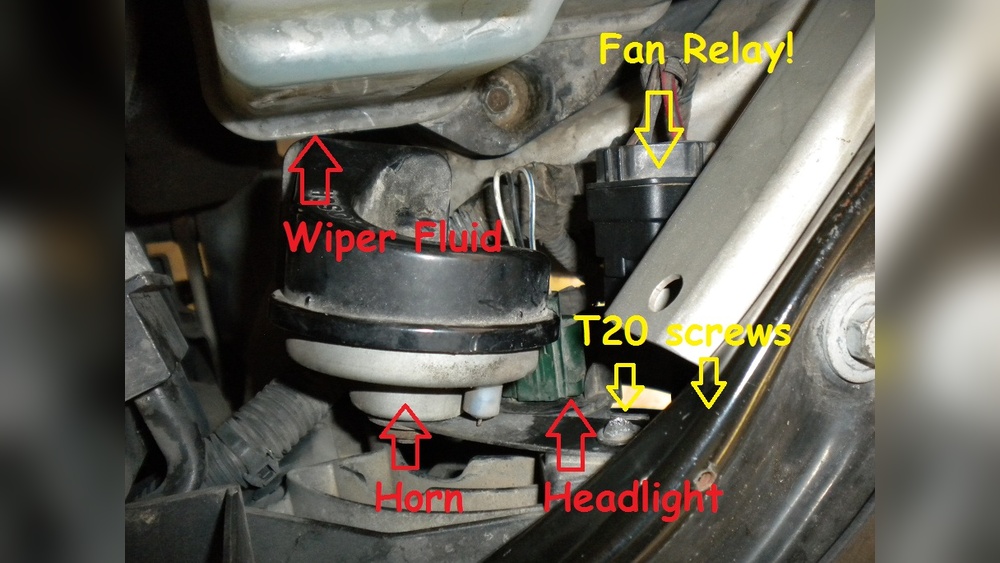
- Radiator fan relay: Acts as a switch for the fan.
- Wiring and fuses: Carry signals and power.
When your engine reaches a set temperature (usually around 210°F–220°F), the ECM tells the relay to power the fan. When the engine cools to a safe level, the fan turns off. If any part fails or sends the wrong signal, the fan may keep running.
Common Reasons The Radiator Fan Keeps Running
Several things can make your Jeep Wrangler’s radiator fan stay on. Here are the most common causes:
1. Faulty Coolant Temperature Sensor
A bad sensor can send the wrong temperature reading to the ECM. If it always “thinks” the engine is hot, it will keep the fan on. This is one of the most frequent issues.
2. Stuck Fan Relay
The fan relay is an electric switch. If it gets stuck in the “on” position, the fan can run even when the engine is cool or off.
3. Wiring Problems
Wires and connectors can corrode, break, or short-circuit. This can send false signals, making the fan run nonstop.
4. Bad Engine Control Module (ecm)
The ECM is the “brain” of your Jeep. If it malfunctions, it might keep the fan running because it cannot process sensor data correctly.
5. Low Coolant Level Or Overheating
If your Jeep is low on coolant or overheating, the system will keep the fan running to prevent engine damage.
6. Air Conditioning Use
When you turn on the A/C, the fan often runs more to keep both the engine and A/C system cool. But if it keeps running after you turn off the A/C, there might be a problem.
7. After-run Fan Feature
Some newer Jeep Wranglers have an after-run feature. This means the fan stays on for a few minutes after you turn off the engine, especially after hard driving. But it should not run for more than 5–10 minutes.
Symptoms You Should Not Ignore
Besides the fan running all the time, you may notice:
- Check engine light on
- High engine temperature gauge
- Engine running rough or misfiring
- Unusual electrical smells or sounds from the fan area
- Decreased battery life
If you see any of these, it’s important to diagnose the cause quickly.

Diagnosing The Problem
Finding out why your Jeep Wrangler’s radiator fan stays on involves a step-by-step process. Here’s what you can do:
Visual Inspection
Start with a simple look under the hood:
- Check the coolant level.
- Look for obvious damage to wires or connectors.
- See if any fuses are blown.
Use An Obd-ii Scanner
A diagnostic scanner can read trouble codes from your Jeep’s computer. Many auto parts stores will check codes for free. Look for codes related to:
- Coolant temperature sensor (e.g., P0117, P0118)
- Fan relay (e.g., P0480)
- ECM (various codes)
Manual Fan Relay Test
You can test the relay by swapping it with another relay of the same type (like the horn relay). If the fan stops, the relay is likely bad.
Check The Coolant Temperature Sensor
With a multimeter, measure the sensor’s resistance at different temperatures. Compare with factory specs. If readings are off, the sensor may need replacing.
Inspect The Ecm
Testing the ECM is harder and usually requires a professional. If all other parts test good, but the fan still runs, the ECM might be the cause.
How To Fix A Radiator Fan That Won’t Turn Off
Once you find the cause, fixing the issue is usually straightforward. Here’s what you can do for each problem:
Replace The Coolant Temperature Sensor
This is an affordable part ($20–$60). The sensor is often near the thermostat housing. Replace it with a compatible part, clear any error codes, and test the fan.
Change The Fan Relay
The relay is in the fuse box under the hood. Pull out the old relay and snap in the new one. Make sure the replacement matches the specs.
Repair Wiring Issues
Look for broken wires, loose connectors, or corrosion. Repair or replace as needed. Use dielectric grease to prevent future corrosion.
Ecm Replacement Or Reprogramming
If the ECM is faulty, it may need to be replaced or reprogrammed. This is a job for a qualified mechanic, as the ECM controls many systems.
Top Off Coolant And Bleed Air
Low coolant can cause the fan to run. Fill with the correct coolant mixture, and bleed air from the system to prevent hot spots.
Understand The After-run Feature
If your Jeep has an after-run fan, check your owner’s manual. The fan should turn off after a few minutes. If not, you may still have a sensor or relay problem.

Real-world Example: 2015 Jeep Wrangler
A Jeep owner noticed the fan running after short drives, even in cool weather. The check engine light was on. A diagnostic scan showed a P0118 code (coolant temperature sensor circuit high input). Replacing the sensor fixed the issue, and the fan operated normally again.
Comparing Causes: Most Common Jeep Wrangler Years
Here’s a comparison of which years of Jeep Wrangler are most often reported to have radiator fan issues:
| Model Year | Common Radiator Fan Issues | Typical Solution |
|---|---|---|
| 2007–2011 | Relay and sensor failures | Replace relay, check sensor |
| 2012–2017 | Wiring corrosion, ECM glitches | Repair wiring, reflash ECM |
| 2018–2026 | After-run confusion, sensor issues | Check manual, replace sensor |
Diy Or Mechanic? What To Do
Many Jeep owners can fix basic issues themselves, like changing a relay or sensor. But for wiring or ECM problems, it’s smart to get help from a professional mechanic. Modern Jeeps have complex electronics, and incorrect repairs can lead to more trouble.
When To Diy
- Replacing relays or sensors
- Checking fuses
- Topping off coolant
When To Call A Mechanic
- Wiring repairs
- ECM diagnosis or replacement
- Repeated or hard-to-find issues
How To Prevent Radiator Fan Problems
Some simple steps can help you avoid fan trouble in the future:
- Regularly check coolant levels and top off as needed.
- Inspect wiring and connectors for corrosion or damage, especially after off-roading.
- Replace the coolant temperature sensor every 60,000–100,000 miles or as recommended.
- Keep the radiator clean by removing dirt and bugs.
- Use OEM (original equipment) parts for replacements.
The Cost Of Ignoring A Constantly Running Fan
Letting the fan run all the time can lead to bigger problems:
- Dead battery: The fan draws a lot of power, especially when the engine is off.
- Worn-out fan motor: Running nonstop shortens its life.
- Potential overheating: If the system is trying to compensate for another problem, you could damage your engine.
It’s better to fix the cause early than pay for a new engine later.
Jeep Wrangler Radiator Fan Control: Stock Vs. Aftermarket
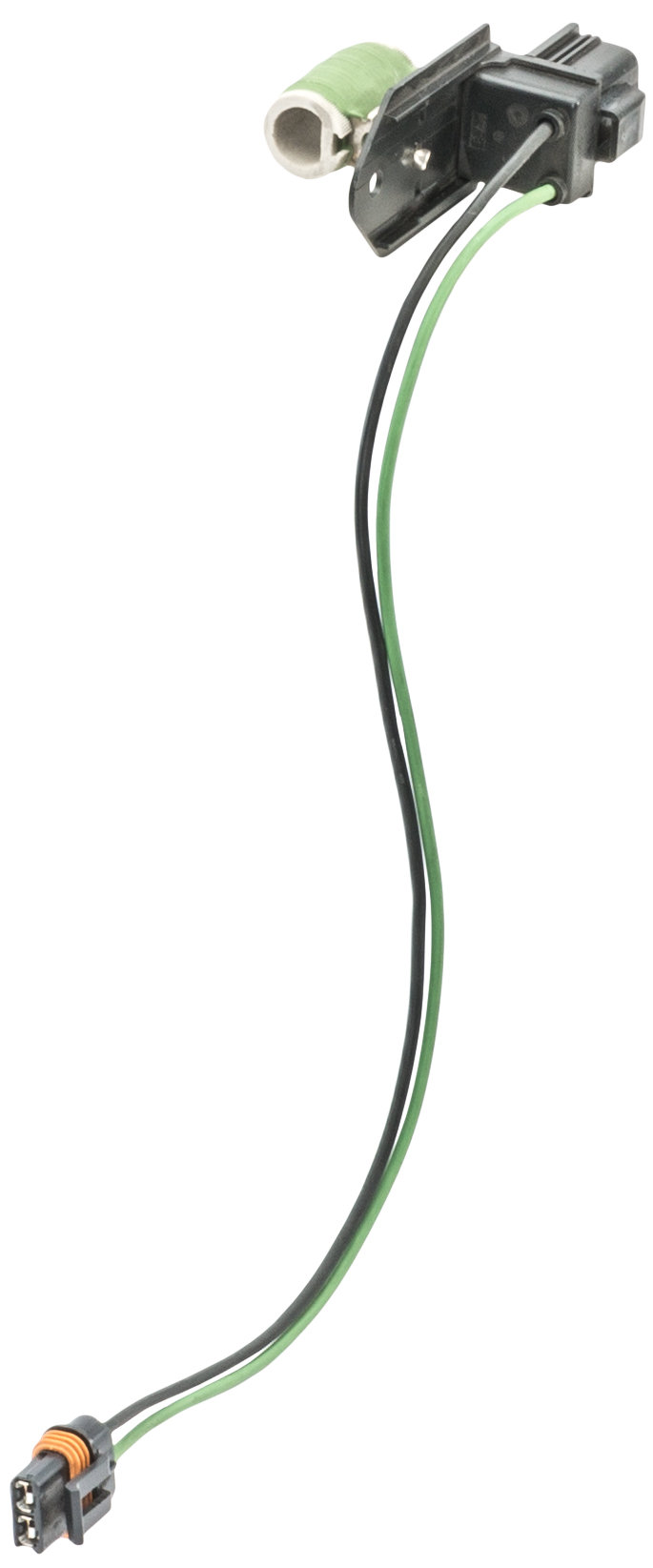
Some Jeep owners install aftermarket fan controllers for better cooling during off-road use or towing. These offer more control but can also introduce new problems if not installed correctly.
Here’s how stock and aftermarket systems compare:
| Feature | Stock Fan Controller | Aftermarket Controller |
|---|---|---|
| Reliability | High (OEM tested) | Varies by brand/installation |
| Control | Automatic only | Manual & custom settings |
| Warranty Impact | No effect | May void warranty |
| Maintenance | Low | Requires checks |
If you use aftermarket parts, always follow the manufacturer’s instructions and check for proper wiring.
How Long Should The Radiator Fan Run?
In normal conditions, the fan should:
- Turn on when the engine temp reaches around 210°F–220°F
- Run for a few minutes after the engine stops (if equipped with after-run)
- Turn off once the engine cools below a set temperature
If your fan runs for more than 10 minutes after shutting off the engine, or stays on constantly while driving, it’s time to check for a problem.
Data: How Often Does This Happen?
Based on owner reports and mechanic surveys, about 10–15% of Jeep Wranglers (2007–2026) experience radiator fan issues at some point. The problem is slightly more common in older models and Jeeps that are used off-road, where mud and water can cause corrosion.
Key Tips For Quick Troubleshooting
- If the fan runs with the engine off and the key out, suspect the relay first.
- If the fan runs with the A/C on but not off, this can be normal.
- If the check engine light is on, scan for codes before replacing parts.
- Always check for service bulletins for your Jeep year/model.
What Jeep Owners Say
Many Jeep owners share their experiences online. For example, one user replaced both the relay and sensor after off-roading through deep water, solving the problem. Another found that a loose connector caused the fan to run even in cold weather.
Reading forums or sites like JeepForum can offer practical advice from real owners.
When The Problem Is Not Really A Problem
Sometimes, the fan running is normal:
- After heavy use: The after-run feature protects the engine.
- Hot weather: The fan may run more often.
- Towing or mountain driving: Extra cooling is needed.
But if you notice new noises, long run times, or warning lights, it’s time to investigate.
Common Mistakes When Fixing The Radiator Fan
Some owners make errors that can make things worse:
- Swapping random relays without checking the correct part number.
- Ignoring wiring diagrams and connecting wires incorrectly.
- Using the wrong sensor—always match the part to your Jeep’s engine code.
- Skipping the OBD-II scan, which can lead to guessing instead of diagnosing.
Take your time and double-check each step.
What To Ask Your Mechanic
If you bring your Jeep to a shop, ask:
- “Did you check for wiring corrosion?”
- “What was the OBD-II code?”
- “Is the replacement part OEM or aftermarket?”
- “How long should the fan run after shut-off on my model?”
A good mechanic will answer these confidently.
Comparison: Jeep Wrangler Vs. Other Suvs
Is the radiator fan issue unique to Jeep Wranglers? Here’s how Jeep compares to other popular SUVs:
| Vehicle | Fan Issue Frequency | Typical Causes |
|---|---|---|
| Jeep Wrangler | 10–15% | Sensor, relay, wiring |
| Toyota 4Runner | 5–8% | Relay, A/C sensor |
| Ford Bronco | 8–10% | ECM, wiring |
| Chevy Tahoe | 7–10% | Relay, fan clutch |
Jeep Wranglers are a bit more prone to this due to off-road use and their unique cooling system design.
When To Worry About The Radiator Fan
If your fan keeps running and you notice:
- Battery warning lights
- Engine overheating
- Fan noise increases
- Burning smell
Stop driving and get your Jeep checked right away. These are signs of a serious problem.
Frequently Asked Questions
Why Does My Jeep Wrangler Radiator Fan Run After The Engine Is Off?
This is often normal. Many models have an after-run feature that keeps the fan on for a few minutes to cool the engine and prevent overheating. If it runs for longer than 10 minutes, check for a stuck relay or sensor issue.
Can A Bad Thermostat Cause The Radiator Fan To Stay On?
Yes, a stuck thermostat can keep the engine hot, causing the sensor to keep the fan running. However, this is less common than relay or sensor problems.
Will The Radiator Fan Drain My Battery If It Keeps Running?
Yes. If the fan runs with the engine off for a long time, it can drain your battery. Fix the cause promptly to avoid getting stranded.
How Much Does It Cost To Fix A Radiator Fan That Won’t Turn Off?
Costs vary. A relay or sensor replacement can be $20–$100 for parts. Wiring or ECM issues may cost $200–$600 or more with labor. DIY repairs are cheaper if you have the skills.
Where Can I Find More Information About Jeep Wrangler Cooling Systems?
You can find detailed information in your owner’s manual or at sites like the Jeep Wrangler Wikipedia page.
Your Jeep Wrangler’s radiator fan is a small part with a big job. If it keeps running, don’t ignore it. With a careful approach, you can find and fix the problem, keeping your Jeep reliable and ready for adventure. Remember, regular checks and early repairs save you time and money in the long run.