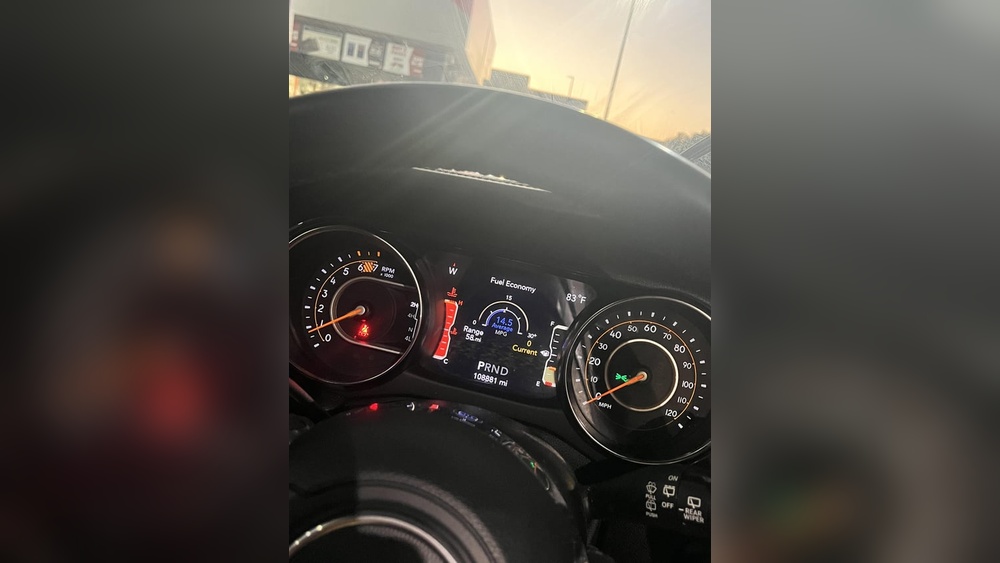
Many Jeep Wrangler owners know the unique feeling of pride when they hit the road or a rugged trail. But sometimes, a strange problem appears: your Jeep Wrangler smells hot—you notice a burning or heated scent, but the temperature gauge is perfectly normal and there’s no sign of overheating. This situation can be confusing and even stressful, especially if you’re not sure what’s causing the smell or if it’s dangerous.
If you’ve experienced this, you’re not alone. Many drivers worry when they detect an unusual odor, but their Wrangler is running as usual. This article will help you understand why your Jeep might smell hot without actually overheating. We’ll explore possible causes, what to check, how to fix or prevent the problem, and when it’s time to see a professional.
By the end, you’ll be ready to handle this issue with confidence and keep enjoying your Wrangler’s adventures.
Understanding The “hot” Smell
First, let’s clarify what people mean by a “hot” smell. It’s not the same as exhaust fumes or the sweet odor of leaking coolant. Instead, it’s a heated, sometimes slightly burnt scent that can come from many sources. You might smell it near the engine, under the hood, or even inside the cabin.
Why Temperature Gauge Stays Normal
Your Jeep has a cooling system designed to keep the engine at a safe operating temperature. The temperature gauge measures coolant temperature, not other hot components. So, it’s possible for other parts—like brakes, transmission, or electrical wiring—to get hot and produce odors without the engine itself overheating.
Common Characteristics
Most owners report this smell after:
- Driving uphill or towing
- Stop-and-go traffic
- Off-roading or slow crawling
- After recent maintenance or repairs
Knowing when and where you smell heat can help pinpoint the cause.
Main Causes Of A Hot Smell Without Overheating
Multiple things can create a hot odor in your Jeep Wrangler without the coolant temperature climbing. Let’s break down the most likely reasons, what they mean, and how to tell them apart.
1. Oil Or Fluid Leaks On Hot Surfaces
Leaking engine oil, transmission fluid, or power steering fluid can drip onto hot parts like the exhaust manifold or catalytic converter. When these fluids burn, they release a distinct odor—often sharp or acrid.
Signs To Watch For:
- Spots or stains under your Jeep
- Smoke from under the hood, especially after parking
- Oily residue on engine components
- The smell is stronger after long drives
Why It Happens:
- Worn gaskets or seals
- Loose oil filter or drain plug
- Overfilled fluids
- Recent oil changes where residue wasn’t cleaned
What To Do:
Check for leaks right away. Even small leaks can lead to bigger problems, including fire risk or component damage.
2. Burning Debris On The Exhaust
Jeep Wranglers are built for off-road adventures, but that means debris—like leaves, grass, or mud—can get stuck near the exhaust system. When these materials touch a hot exhaust pipe or catalytic converter, they burn and create a “hot” or even burning smell.
Signs To Watch For:
- Smell appears after off-roading or parking in tall grass
- No change in vehicle performance
- The odor fades as the debris burns off
What To Do:
Let the Jeep cool down, then inspect the underbody and exhaust. Remove any debris you find.
3. New Parts Or Recent Repairs
If you’ve had recent service—especially on brakes, clutch, or exhaust—it’s common to smell a hot or “break-in” odor. New components often have protective coatings or lubricants that burn off during the first few hours of use.
Signs To Watch For:
- Smell started after a repair or part replacement
- It fades after a few drives
- No leaks or warning lights
What To Do:
This is usually harmless, but if the smell lasts more than a week or gets worse, inspect for installation issues.
4. Overheating Brakes Or Clutch
Heavy braking (such as descending a long hill) or riding the clutch can cause those parts to get very hot. Even if the engine is cool, brake pads or the clutch can produce a sharp, metallic, or burning smell.
Signs To Watch For:
- Smell is strongest near the wheels or under the cabin
- Brake pedal feels soft or spongy
- Reduced braking power or clutch slipping
What To Do:
Let the components cool. Avoid riding the brakes or clutch. If the problem returns quickly, inspect for worn pads or adjustment issues.
5. Electrical Problems
Worn or damaged wiring, a failing alternator, or melting plastic connectors can give off a hot, chemical, or “ozone-like” smell. Electrical smells are usually sharper and can be dangerous.
Signs To Watch For:
- Smell is strongest near the dashboard or under the hood
- Flickering lights, warning messages, or electrical malfunctions
- Visible melted or burnt wires
What To Do:
Stop driving if you suspect an electrical issue. Fire risk is serious. Call a professional.
6. Clogged Or Dirty Air Filter
A dirty engine air filter restricts airflow, making the engine work harder and possibly creating heat or burnt smells. This is more likely if you’ve been off-roading or in dusty conditions.
Signs To Watch For:
- Reduced engine power
- Smell mainly after hard acceleration
- Air filter looks dark or clogged
What To Do:
Check and replace the air filter if needed.
7. Heater Core Or Hvac System Issues
Sometimes, the heater core or heating/ventilation system can cause odd smells, especially if there’s a coolant leak or mold buildup. These smells are usually sweet or musty, not truly “hot,” but they’re sometimes mistaken for heat smells.
Signs To Watch For:
- Foggy windows or damp carpets
- Sweet smell inside the cabin
- Heater isn’t working well
What To Do:
Inspect for coolant leaks inside and under the dashboard.
8. Plastic Or Rubber Melting
If plastic bags or rubber items get lodged near the engine or exhaust, they can melt quickly, creating an intense hot or chemical odor.
Signs To Watch For:
- Strong, acrid smell
- Visible melted plastic or rubber
- White smoke under the hood
What To Do:
Remove any foreign materials immediately and check for damage.
Quick Comparison: Common Smells And Their Sources
Below is a comparison of hot smells, their typical sources, and what to check first.
| Type of Smell | Possible Source | First Check |
|---|---|---|
| Sharp, burnt oil | Oil leak on hot engine | Inspect for leaks |
| Burning rubber/plastic | Debris or melted items | Check exhaust/engine area |
| Hot metal/chemical | Brakes or clutch | Feel wheels for heat |
| Ozone/electrical | Wiring issues | Look for burnt wires |
| Sweet or musty | Coolant or HVAC | Check under dashboard |
What To Check When Your Jeep Wrangler Smells Hot
When you notice a hot smell but no overheating, follow these steps to diagnose and address the problem safely.
Step 1: Stop And Inspect Safely
Pull over as soon as it’s safe. Turn off your Wrangler and let it cool. Pop the hood carefully—hot parts can burn you.
Step 2: Visual Check
Look for:
- Smoke or steam
- Fluid leaks (oil, coolant, transmission)
- Burnt wires or melted insulation
- Foreign objects near the engine, exhaust, or underbody
Step 3: Check Fluid Levels
Low or leaking fluids can cause smells and component damage. Inspect:
- Engine oil
- Coolant (only when cold)
- Brake and power steering fluids
- Transmission fluid
Step 4: Feel For Heat
Carefully touch (with the back of your hand) the wheels, brakes, and under the hood. If a wheel is much hotter than others, brakes may be sticking.
Step 5: Inspect The Air Filter
A clogged air filter is easy to check and replace. Remove it and tap out any dust. Replace if it’s dark or crumbling.
Step 6: Scan For Error Codes
Modern Wranglers have OBD-II ports. Use a scanner to check for trouble codes—especially if you see warning lights.
Table: Jeep Wrangler Hot Smell Troubleshooting
Here’s a quick reference for common causes, symptoms, and fixes.
| Cause | Symptoms | Action |
|---|---|---|
| Oil leak | Burnt oil smell, smoke | Repair leak, clean residue |
| Debris on exhaust | Smell after off-roading | Remove debris, check for fire risk |
| Hot brakes | Smell near wheels, hot rims | Allow to cool, check pads/rotors |
| Electrical issue | Ozone smell, flickering lights | Inspect wiring, seek help |
| Plastic/rubber melting | Intense chemical smell, smoke | Remove object, repair damage |
When Is The Hot Smell Normal?
Not every hot smell means a problem. Sometimes, it’s a normal part of owning a Jeep Wrangler.
Typical Situations
- After new part installation: Break-in periods for brakes, clutch, or exhaust
- After deep water crossings: Mud and water burning off the exhaust
- After heavy use: Long climbs, towing, or off-roading
If the smell fades quickly and the Jeep runs well, it’s usually not a concern.

When To Worry: Warning Signs
However, some situations mean you should act fast.
- Smell gets stronger or is constant
- Visible smoke or fire
- Warning lights (check engine, battery, oil pressure)
- Electrical issues (flickering lights, loss of power)
- Fluid puddles under your Jeep
If you see any of these, stop driving and get help.
Preventing Hot Smells In Your Jeep Wrangler
You can avoid most hot smell issues with proper care and a few preventive steps.
Regular Maintenance
- Change engine oil and filters on schedule
- Inspect and replace air filters after off-roading
- Check brake pads, rotors, and fluid levels
- Service the clutch if you drive a manual
After Off-roading
- Rinse the underbody to remove mud and debris
- Inspect for stuck grass or plastic bags near the exhaust
- Check for damaged wires or hoses
Watch For Fluid Leaks
- Check under your parked Jeep regularly
- Fix small leaks promptly to avoid bigger repairs
Mind Your Driving Style
- Avoid riding the brakes or clutch on hills
- Don’t overload your Wrangler beyond its towing rating
Use Quality Parts
- OEM (Original Equipment Manufacturer) or reputable aftermarket parts reduce risk of odd smells from poor-quality materials
Cost To Fix Hot Smell Issues
The price to fix a hot smell in your Wrangler can vary a lot depending on the cause.
Typical Costs
| Problem | DIY Cost | Shop Cost |
|---|---|---|
| Air filter replacement | $15-$40 | $50-$90 |
| Brake pad replacement | $60-$120 | $150-$350 |
| Oil leak repair | $10-$100 (gasket/seal) | $120-$400+ |
| Electrical repair | Varies (complex) | $100-$500+ |
| Debris removal | Free | $50-$100 (inspection) |
These numbers are general estimates. Complex leaks or wiring issues can cost much more.
Two Common Mistakes Owners Make
Many Wrangler drivers miss these details when investigating hot smells:
- Ignoring the Smell If the Gauge Is Normal: Even if your temperature gauge looks fine, a hot smell can signal leaks, burning debris, or electrical issues. Don’t wait for a warning light—small problems can become big repairs.
- Not Checking After Off-Roading: Mud, sticks, and debris build up easily during adventures. Failing to clean your undercarriage can create ongoing smells and even fire risk.

Tips For Jeep Wrangler Owners
- Carry a small fire extinguisher, especially if you off-road often.
- Keep a flashlight and basic tools to check for leaks or debris.
- Download the owner’s manual on your phone for quick troubleshooting.
- Join Jeep forums or groups for advice and shared experiences.
Real-world Example
A 2018 Jeep Wrangler owner noticed a hot, burnt smell after a long highway drive, even though the temperature gauge stayed normal. Inspection revealed a thin film of oil dripping onto the exhaust manifold from a loose valve cover gasket.
Tightening the bolts stopped the leak, and the smell vanished after a few drives. This shows the importance of checking for small leaks, not just relying on dashboard gauges.
Another owner reported a burning plastic odor. After off-roading, a plastic grocery bag had melted onto the exhaust pipe. Removing the bag solved the problem instantly.
When To Visit A Mechanic
If you can’t find the cause or if you notice electrical odors, constant smoke, or repeated leaks, see a professional. Certified Jeep mechanics can use diagnostic tools and lifts to check areas you can’t reach. Delaying repairs may cost more later.
For more details on Jeep Wrangler maintenance and safety, visit the official Jeep Maintenance Guide.
Frequently Asked Questions
Why Does My Jeep Wrangler Smell Hot After Driving But The Temperature Is Normal?
Most often, this means something other than the engine is getting hot—like brakes, fluids on the exhaust, or debris burning off. Your temperature gauge only measures coolant, not all hot parts.
Can A Hot Smell Mean Something Is About To Fail In My Jeep?
Yes. Hot smells can warn you about leaks, worn brakes, or electrical problems. It’s smart to investigate early, before bigger issues develop.
Is It Safe To Drive My Wrangler If I Smell Something Hot But No Warning Lights Show?
Brief smells after hard driving or repairs can be normal. But if the smell is strong, persistent, or you see smoke, stop and check. Safety comes first.
How Can I Tell If It’s A Burning Plastic Smell Or Something Mechanical?
Burning plastic smells sharp and chemical. Check for melted bags or debris near the exhaust. Mechanical smells are more metallic or oily and often come from leaks or worn parts.
What’s The Best Way To Prevent Hot Smells In My Jeep Wrangler?
Regular maintenance, cleaning after off-roading, and quick attention to leaks or odd odors will prevent most problems. Use quality parts and drive within your Jeep’s limits.
If you stay alert to changes in smell and act quickly, you’ll keep your Wrangler running strong for years of fun and adventure.