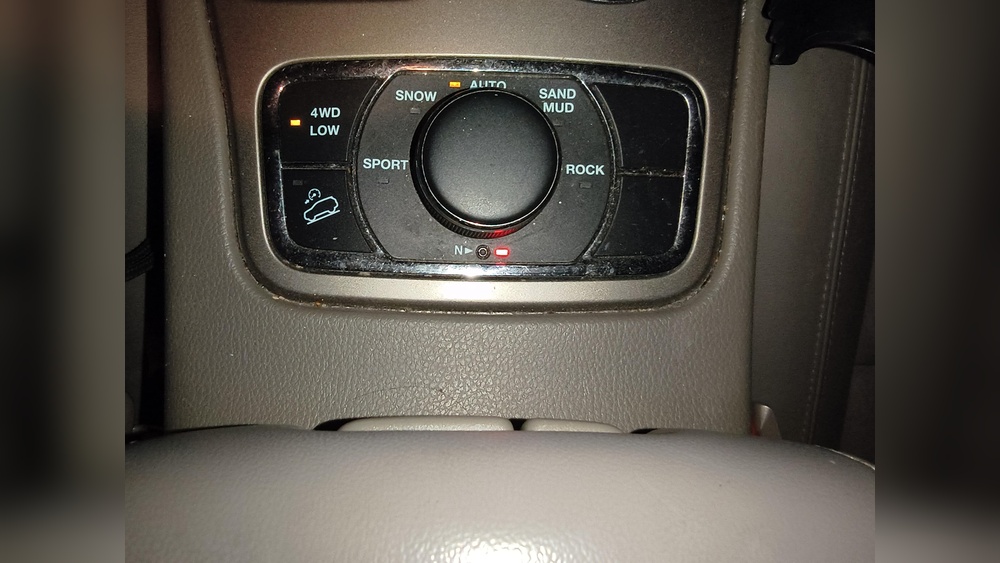
When you head off-road in your Jeep, shifting into 4 Low is often the smart choice for tackling tough terrain. But what happens when your Jeep gets stuck in 4 Low and refuses to shift back? Many Jeep owners find themselves in this frustrating situation, unsure of what caused it or how to fix it. Understanding the reasons behind this problem, how to safely troubleshoot, and what you can do to prevent it in the future can save you from stress and expensive repairs. In this guide, you’ll find clear answers, practical advice, and expert insights to help you get your Jeep back on track—literally.
Understanding 4 Low In Jeeps
The 4 Low (4L) setting is designed for low-speed, high-torque driving, perfect for mud, rocks, or steep climbs. When engaged, it changes the gear ratio in your Jeep’s transfer case, sending more torque to the wheels but limiting speed. Many drivers use 4 Low to conquer off-road obstacles, but it’s not meant for everyday use or high speeds.
Most Jeeps have a transfer case shifter (mechanical or electronic) that lets you switch between 2H (two-wheel drive high), 4H (four-wheel drive high), and 4L (four-wheel drive low). Shifting into or out of 4 Low usually requires your Jeep to be at a stop or moving very slowly, with the transmission in neutral. If the shifter or system fails, your Jeep can get stuck in 4 Low, making normal driving difficult and sometimes damaging the drivetrain.
Common Reasons A Jeep Gets Stuck In 4 Low
There are four main reasons a Jeep might refuse to shift out of 4 Low. Each has its own symptoms, causes, and solutions. Let’s break them down:
1. Incorrect Shifting Technique
Jeep transfer cases require specific steps to shift smoothly between modes. If the correct procedure isn’t followed, the system can get “jammed. ”
- Symptoms: The shifter feels stiff or won’t move, the Jeep won’t go back to 2H or 4H, and you may hear grinding noises.
- Why it Happens: Many owners try to shift out of 4 Low while the Jeep is in drive or moving too quickly. The transfer case needs the transmission in neutral and slow vehicle speed (often under 3 mph).
- Example: You finish off-roading, try to shift out of 4 Low while in park or drive, and nothing happens.
How To Fix
- Bring your Jeep to a complete stop.
- Shift the transmission into neutral (N).
- With your foot on the brake, move the transfer case shifter (or switch) from 4L to 2H or 4H.
- If it still won’t move, gently rock the Jeep forward and back (by shifting between drive and reverse) to relieve pressure on the drivetrain.
Pro tip: Never force the shifter; you could damage the linkage or transfer case.
2. Mechanical Linkage Or Cable Problems
Many Jeeps use a mechanical linkage or cable to connect the transfer case shifter to the transfer case itself. Over time, these parts can stretch, loosen, or break.
- Symptoms: The shifter moves freely but nothing happens, or it feels jammed and won’t budge.
- Why it Happens: Off-road use, rust, or lack of lubrication can make the linkage bind or disconnect. Sometimes, bushings wear out or the cable snaps.
- Example: You move the shifter and it feels “loose,” but the Jeep stays in 4 Low.
How To Fix
- Inspect the linkage under the Jeep. Look for disconnected cables or worn bushings.
- Lubricate the moving parts with a spray lubricant.
- If you see a broken part, you may need to replace the cable or linkage assembly.
- For trailside fixes, sometimes you can manually move the transfer case lever under the vehicle with the proper tools.
Non-obvious insight: If you recently installed a lift kit or skid plates, check that the linkage isn’t binding against new parts. Aftermarket modifications often change linkage geometry.
3. Electronic Or Sensor Failure
Modern Jeeps (like the Wrangler JL or Grand Cherokee) often use electronic switches and sensors instead of mechanical shifters. These systems rely on computers to engage/disengage 4 Low.
- Symptoms: Dash warning lights, beeping, or error codes. The Jeep may refuse to shift, or you hear clicking but nothing happens.
- Why it Happens: Faulty sensors, wiring issues, or a bad transfer case motor can all prevent the system from moving out of 4 Low.
- Example: You press the 4WD switch and get a warning message, but the Jeep stays in 4 Low.
How To Fix
- Cycle the ignition off and on to reset the computer.
- Check for blown fuses related to the 4WD system.
- Use an OBD-II scanner to check for error codes.
- If you’re off-road, disconnect the battery for 10 minutes to “reset” the system (not a guaranteed fix, but sometimes helps).
- If the transfer case motor is bad, it may need replacement.
Non-obvious insight: Moisture can cause corrosion in connectors, especially if you ford water or drive in heavy rain. Regularly check and clean connector plugs to avoid surprise failures.
4. Internal Transfer Case Damage
The most serious reason is internal damage inside the transfer case. This is rare, but possible if you’ve driven at high speeds in 4 Low, shifted incorrectly, or ignored noises.
- Symptoms: Grinding, clunking, or popping sounds; burning smell; Jeep refuses to shift or move at all.
- Why it Happens: Broken gears, damaged synchronizers, or worn bearings from abuse or lack of maintenance.
- Example: After a tough trail, your Jeep is stuck in 4 Low and makes loud noises when you try to shift.
How To Fix
- Do not attempt to drive further; continued movement can destroy more parts.
- Have the Jeep towed to a qualified mechanic or dealership.
- The transfer case may need a rebuild or full replacement.
- Regular servicing (fluid changes) can help prevent this in the future.
Non-obvious insight: Using the wrong fluid type or neglecting regular fluid changes can accelerate internal wear. Always follow your Jeep’s service schedule.
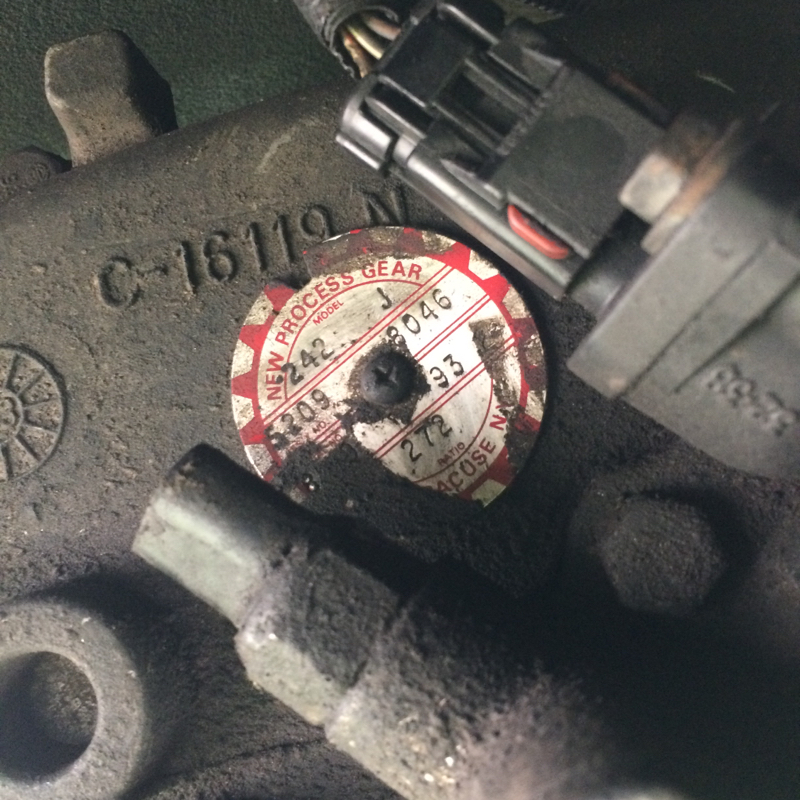
Step-by-step Troubleshooting Guide
If your Jeep is stuck in 4 Low, follow these steps to diagnose and solve the problem safely:
- Stop the vehicle on level ground.
- Check the shifting procedure. Make sure you’re in neutral and moving slowly.
- Inspect the shifter linkage. Look underneath for visible issues.
- Listen for unusual noises. Grinding or popping may signal internal damage.
- Check dashboard warnings. Note any error codes or lights.
- Try basic resets. Cycle the ignition, disconnect the battery, or use a code scanner.
- Call for help if you suspect internal damage or can’t diagnose the issue.
Here’s a comparison of common symptoms and causes:
| Symptom | Most Likely Cause | Quick Solution |
|---|---|---|
| Shifter won’t move | Incorrect shifting or linkage issue | Try correct procedure, inspect linkage |
| Shifter moves, no effect | Linkage/cable detached | Reconnect or replace linkage/cable |
| Warning lights or codes | Electronic/sensor fault | Check fuses, scan for codes |
| Loud grinding noise | Internal damage | Stop driving, call mechanic |
Preventing Transfer Case Problems
Taking care of your Jeep’s 4WD system can prevent most 4 Low issues. Here’s how:
- Follow proper shifting procedures every time. Don’t rush or force the shifter.
- Service your transfer case as recommended—usually every 30,000 miles or sooner if you off-road often.
- Inspect linkage and cables after off-roading, especially if you hear unusual noises or feel stiff shifting.
- Avoid high-speed driving in 4 Low; it’s meant for crawling, not highway use.
- Check for recalls related to transfer case or 4WD components (especially on newer Jeeps).
- Protect electrical connectors with dielectric grease if you drive in wet or muddy areas.
Real-world Example: Jeep Wrangler Jl Stuck In 4 Low
Let’s look at a true scenario. Mike owns a 2019 Jeep Wrangler JL. After off-roading, he tried to shift out of 4 Low but couldn’t. The shifter moved, but nothing changed. He saw a “SERVICE 4WD” light on the dash.
Mike checked his manual and followed the shift procedure—full stop, transmission in neutral, foot on the brake. Still stuck. Under the Jeep, he found mud packed around the shift linkage. After cleaning it off and lubricating the linkage, he was able to shift out of 4 Low.
Lesson: Even something as simple as mud can jam your transfer case linkage. Regular cleaning and knowing how to check the system can save you a costly tow.
When To Call A Professional
Some situations need expert help:
- Persistent warning lights that don’t clear with basic resets
- Loud grinding or popping from the transfer case
- Broken or missing shifter parts
- No response from electronic 4WD systems
Don’t risk further damage. A qualified mechanic can diagnose sensor, wiring, or internal problems that are hard to spot without special tools.
Here’s a summary of when to try DIY and when to call for help:
| Situation | DIY? | Professional Needed? |
|---|---|---|
| Stuck shifter, no noise | Yes | No |
| Electrical warning lights | Maybe (if you have a code reader) | Yes (for deep diagnosis) |
| Grinding noises | No | Yes |
| Missing/broken linkage parts | Maybe (if you have parts/skills) | Yes |
Cost Of Repairs: What To Expect
Getting stuck in 4 Low doesn’t always mean a big repair bill. Here’s what common fixes might cost (U.S. averages):
- Shifting technique correction: Free (just your time)
- Linkage adjustment/repair: $50–$300 depending on parts and labor
- Sensor or switch replacement: $100–$400
- Transfer case motor replacement: $400–$900
- Internal transfer case rebuild: $1,000–$2,500+
If your Jeep is still under warranty, repairs may be covered. Always check before paying out of pocket.
Off-road Recovery Tips
If you’re stuck in 4 Low on the trail, some basic gear and skills can help you get moving:
- Carry a basic tool kit: Wrenches, pliers, and lubricating spray.
- Know how to access the transfer case: Sometimes you can move the lever directly.
- Have a recovery strap and a friend’s help in case you need a tow.
- Bring a code reader: Some compact OBD-II scanners work with your phone.
Practical tip: Practice shifting into and out of 4 Low in a safe, flat area before heading out. This builds confidence and helps you spot any problems early.
Can You Drive On Pavement In 4 Low?
Many Jeep owners wonder: “Is it safe to drive home in 4 Low if I can’t shift out?” The answer is no. 4 Low is not designed for pavement. The gear ratio is too low, and you’ll overstress the drivetrain, burn more fuel, and possibly damage the transfer case.
If you absolutely must move the Jeep, keep speeds very low (under 10 mph), take the shortest route, and avoid sharp turns. But the best solution is to fix the issue or tow the Jeep.
Comparison: 4 Low Vs. 4 High
Understanding the differences can help you avoid getting stuck in the wrong gear.
| Feature | 4 High (4H) | 4 Low (4L) |
|---|---|---|
| Gear Ratio | Normal | Low (high torque) |
| Speed Range | Up to 55 mph | Under 25 mph |
| Use Case | Snow, rain, light off-road | Steep hills, mud, rocks |
| Road Surface | Loose or slippery | Loose, uneven, or extreme |
Key point: Only use 4 Low when you need maximum power at low speeds.
How Jeep Owners Can Prevent Getting Stuck In 4 Low
- Read your owner’s manual: Each Jeep model has specific shifting instructions.
- Practice shifting: Do this when you first buy the Jeep, not on the trail for the first time.
- Inspect after every off-road trip: Look for mud, damage, or loose parts around the transfer case.
- Keep up with maintenance: Regular fluid changes, cable lubrication, and checking for recalls can prevent 90% of issues.
- Avoid aftermarket mods that bind: If you install a lift kit, check that all cables and linkages move freely.
Importance Of Regular Transfer Case Maintenance
Many drivers forget about the transfer case when servicing their Jeep. But just like the engine and transmission, it needs attention.
- Fluid change interval: Typically every 30,000–60,000 miles (check your manual).
- Use correct fluid: The wrong type can cause shifting problems and internal damage.
- Check for leaks: Low fluid can destroy internal gears.
- Inspect seals and boots: Damaged seals let in water and dirt, causing corrosion.
For more detailed maintenance info, you can visit the official Jeep Maintenance Resource.
Frequently Asked Questions
Why Won’t My Jeep Shift Out Of 4 Low Even Though I’m Following The Correct Procedure?
Sometimes, pressure builds up in the drivetrain if the Jeep is on a slope or if tires are binding. Try gently rocking the vehicle back and forth while in neutral. Make sure all wheels are on the same level surface.
Is It Dangerous To Drive Long Distances Stuck In 4 Low?
Yes. Driving in 4 Low on pavement or at high speed can overheat and break the transfer case, driveshafts, or axles. Always fix the issue before driving far.
Will Disconnecting The Battery Reset My 4wd System?
It can help with electronic glitches, especially in newer Jeeps, but won’t fix mechanical problems. After reconnecting, you may need to re-enter radio codes or reset clock and settings.
How Do I Know If My Transfer Case Is Damaged?
Listen for grinding, clunking, or metal-on-metal sounds. If you smell burning or notice leaks, have your Jeep checked immediately. Unusual vibrations or resistance when shifting are also warning signs.
Can Mud Or Snow Cause My Jeep To Get Stuck In 4 Low?
Yes. Mud and snow can jam the transfer case linkage or freeze cables. After off-roading in harsh conditions, clean underneath your Jeep and inspect for packed debris.
Getting your Jeep stuck in 4 Low can be stressful, but knowing the causes, fixes, and prevention tips puts you back in control. With the right knowledge and preparation, you can enjoy off-roading without fear of getting stranded by your transfer case. Stay safe and keep your Jeep adventure-ready!