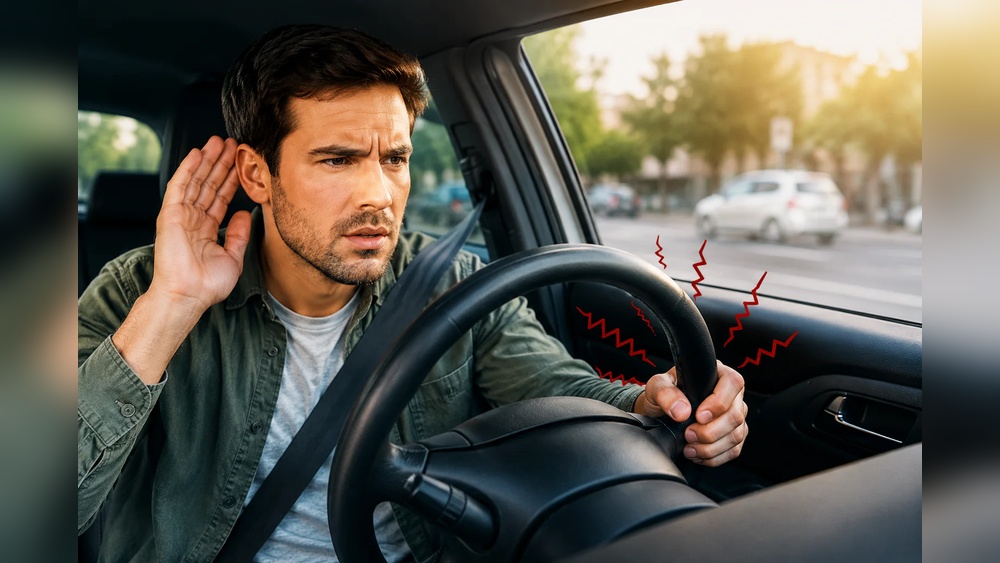
If you drive a Jeep, hearing a squeaking noise when moving slowly can be both annoying and worrying. This sound often appears when you’re rolling through a parking lot, waiting at a traffic light, or maneuvering through city streets. Many Jeep owners experience this, but not all know what causes it or how to fix it. Ignoring a squeak could mean a small issue turns into a bigger, more expensive problem. Understanding why your Jeep squeaks when driving slow can help you address it quickly, keep your vehicle safe, and avoid unnecessary stress.
This article will explain the most common reasons for squeaking, how to diagnose the sound, and practical steps for fixing it. You’ll learn what to check, how to listen for clues, and when you should see a mechanic. We’ll also cover unique Jeep issues, give tips to prevent future noises, and answer the questions Jeep owners ask most.
Whether you’re a DIY enthusiast or just want peace of mind, you’ll find clear guidance here.
Why Does My Jeep Squeak When Driving Slow?
Squeaks are high-pitched noises that usually mean something is rubbing, moving, or worn out. At slow speeds, you notice them more because the engine and road noise are quieter. Some squeaks are harmless, but others point to parts needing repair or replacement.
Common Sources Of Squeaking
- Brakes – Worn brake pads, stuck calipers, or lack of lubrication can create squeaks when you’re barely pressing the pedal or even when not braking.
- Suspension – Bushings, ball joints, or shocks that are dry or old may squeak as your Jeep bounces or turns.
- Steering – Tie rods, steering shaft joints, or power steering components sometimes squeak, especially when you turn the wheel at low speeds.
- Drivetrain – Universal joints (U-joints) and CV joints can get dry or worn, making noise that changes with speed.
- Belts and Pulleys – Although more noticeable at startup, loose or cracked belts may still squeak at low speeds, especially if the engine is idling.
- Body and Interior – Door hinges, seat tracks, or trim pieces might squeak when the body flexes slowly over bumps or uneven ground.
Why Squeaks Are Louder At Low Speeds
At highway speeds, wind and tire noise mask small squeaks. When you drive slowly, you can hear everything more clearly. Also, some parts only move a little at slow speeds—like brakes lightly touching the rotor—so the squeak starts then and disappears as speed increases or the pressure changes.
Diagnosing A Squeak: Step-by-step
Pinpointing the exact cause of a squeak can save time and money. Here’s a simple method to narrow it down.
1. Listen Carefully
- Note when the squeak happens: Only when turning? When braking? Over bumps?
- Is it from the front, rear, or sides of the Jeep?
- Does the sound change with speed or road surface?
2. Try Simple Tests
- Brake Test: Lightly press the brakes while driving slow. If the squeak changes or stops, it’s likely a brake issue.
- Turn the Wheel: Squeaks during turning often point to suspension or steering parts.
- Go Over a Bump: If you hear the noise then, suspect suspension bushings or shocks.
3. Inspect The Jeep
Park in a quiet area and:
- Check brake pads for wear. Look for thin pads or uneven grooves.
- Push down on each corner of the Jeep to see if you hear a squeak from the suspension.
- Look for rust or dryness on bushings, joints, and moving parts.
- Check tire tread for uneven wear, which may mean suspension problems.
4. Use Simple Tools
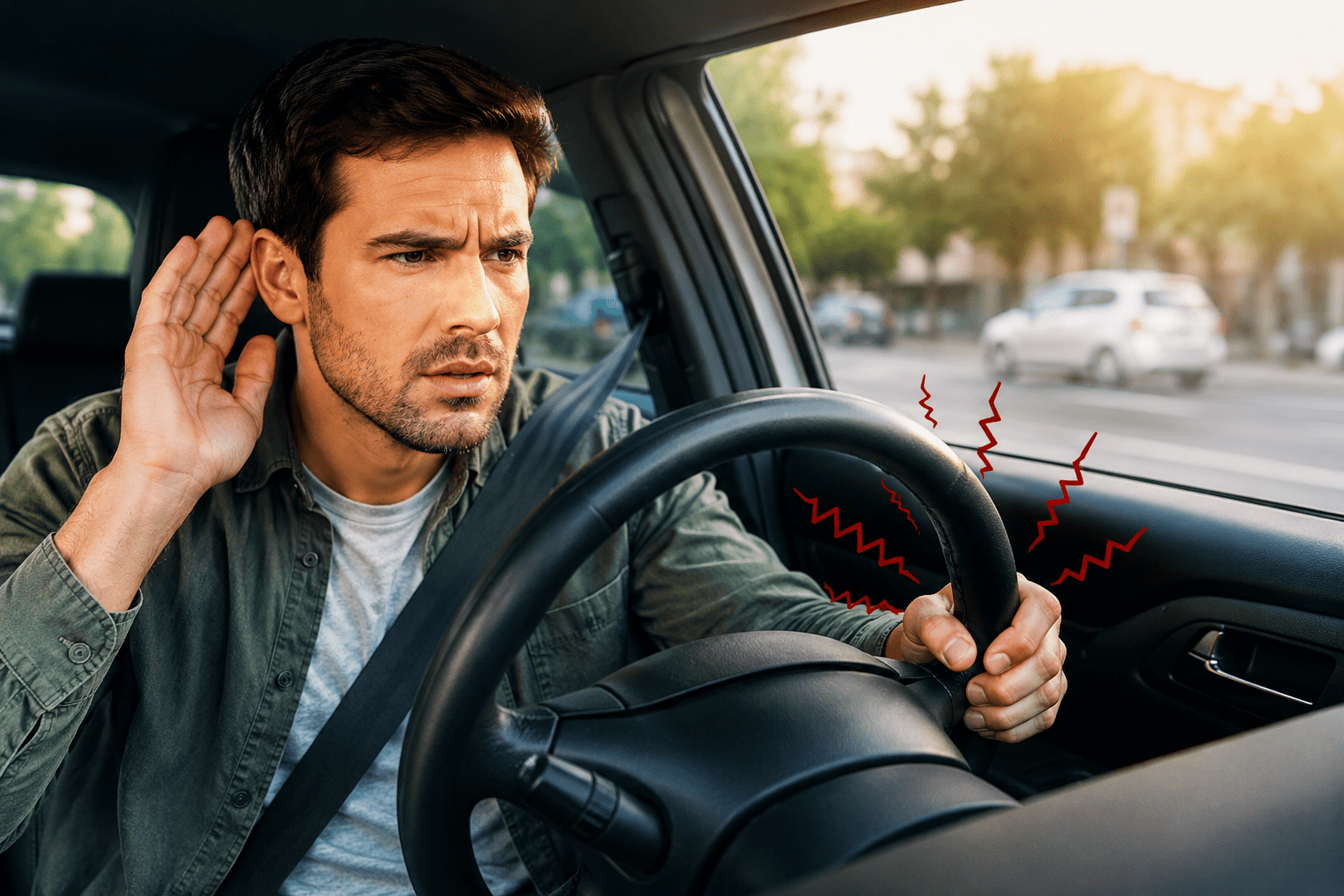
A mechanic’s stethoscope or a long screwdriver (placed against your ear and the Jeep part) helps find exact squeaks. Move parts gently by hand and listen closely.
Non-obvious insight: Squeaks often travel through the frame, making them sound like they’re coming from a different spot. Always double-check both sides of the vehicle.
Common Jeep Squeak Causes Explained
Jeeps are tough vehicles, but their design means certain parts squeak more than on other cars. Let’s look at the most frequent sources in detail.
Brakes
Brake squeaks are the most common. Here’s why:
- Worn brake pads: Most pads have a built-in wear indicator—a small metal tab that squeaks when the pad is low.
- Glazed pads or rotors: Overheating can make the brake surface hard and shiny, causing noise at low speeds.
- Dust or debris: Small stones caught between the pad and rotor make a scratching squeak.
- Lack of lubrication: The back of the pads and caliper pins need special grease. Without it, you may hear high-pitched noises.
Brake Squeak Example
A Jeep Wrangler with 45,000 miles starts squeaking when backing out of a driveway. The noise stops after the first few brakes. Inspection shows thin pads and light grooves in the rotor. New pads and a rotor resurfacing fix the problem.
Suspension
The suspension lets your Jeep handle rough roads, but parts wear out:
- Control arm bushings: These rubber pieces absorb vibration. When dry or cracked, they squeak over bumps and during turns.
- Ball joints: A worn ball joint makes noise, especially if the dust boot is broken and grease is gone.
- Sway bar bushings: These are common squeak sources, especially on older Jeeps.
Non-obvious insight: Suspension squeaks often get worse in cold or wet weather because rubber parts contract and lose lubrication.
Steering
Steering system squeaks usually mean:
- Tie rod ends: These connect the steering to the wheels. If the boot breaks and grease leaks out, you’ll hear a squeak when turning slowly.
- Steering shaft joints: U-joints in the steering column can dry out and squeak, especially after off-roading or water crossings.
Drivetrain
Drivetrain squeaks are less common but important:
- U-joints: Found on the driveshaft, a dry U-joint squeaks at low speeds and may cause vibration.
- CV joints: On 4×4 models, a torn boot lets dirt in, causing noise and eventually failure.
Belts And Pulleys
While more common when starting the engine, loose or cracked serpentine belts can squeak when idling in traffic. Check for cracks, shiny spots, or frayed edges.
Body And Interior
Door hinges dry out, especially on Wranglers with removable doors. Seat tracks, seatbelt anchors, and even dashboard trim can creak over bumps.
Jeep Models And Squeak Patterns
Different Jeep models have different weak spots. Here’s a quick comparison:
| Model | Common Squeak Areas | Year Range Most Affected |
|---|---|---|
| Wrangler (JK, JL) | Door hinges, suspension bushings | 2007–2026 |
| Grand Cherokee | Brake pads, control arms | 2011–2026 |
| Cherokee | Front struts, interior trim | 2014–2026 |
| Liberty | Ball joints, sway bar links | 2002–2012 |
Wranglers often squeak due to removable parts and exposed hinges. Grand Cherokees tend to develop brake and suspension squeaks as they age.
How To Fix A Squeaky Jeep
Once you know where the squeak comes from, here’s how to fix it. Some jobs are easy DIY, others need a mechanic.
Brakes
- Replace worn pads—Always change both sides at the same time.
- Clean and lubricate—Use brake grease on the pad backs and caliper pins.
- Resurface or replace rotors—If they’re grooved or warped.
Suspension
- Spray bushings with silicone lubricant as a temporary fix. Replace cracked or dried bushings for a permanent solution.
- Replace ball joints if you feel looseness or see torn boots.
- Tighten sway bar links—Loose bolts can also squeak.
Steering
- Grease tie rod ends if they have a grease fitting. Replace if worn.
- Check steering shaft U-joints—Lubricate if possible, replace if noisy.
Drivetrain
- Grease U-joints or replace them if dry and squeaky.
- Inspect CV boots for tears. Replace the boot or the whole joint if needed.
Belts And Pulleys
- Tighten or replace the belt if you see wear or hear squeaking at idle.
- Check pulleys for roughness or play.
Body And Interior
- Lubricate door hinges with white lithium grease.
- Use felt tape or silicone spray on noisy trim pieces.
- Clean seat rails and add a small amount of grease.
Diy Vs Mechanic: When To Get Help
Some squeaks are easy to fix yourself. Others need special tools or experience.
Good For Diy
- Lubricating door hinges
- Replacing brake pads (if you have basic tools and knowledge)
- Spraying bushings with silicone
Call A Mechanic
- Suspension or steering repairs—Incorrect work can cause safety problems.
- Drivetrain issues—If you hear squeaking plus vibration, get help fast.
- Persistent brake squeaks—Especially after you’ve replaced pads or cleaned everything.
If you’re not sure, a mechanic can diagnose in 15–30 minutes and let you know if it’s a quick fix or something bigger.
How Much Does It Cost To Fix A Jeep Squeak?
Costs vary by problem and Jeep model. Here’s a quick comparison:
| Problem | DIY Cost | Shop Cost |
|---|---|---|
| Brake pads | $40–$120 | $150–$300 |
| Suspension bushing (each) | $20–$60 | $150–$400 |
| Ball joint | $40–$100 | $200–$500 |
| U-joint | $25–$60 | $150–$300 |
| Serpentine belt | $20–$50 | $75–$150 |
| Door hinge lube | $5–$10 | $40–$80 |
Tip: Prices are for parts only (DIY) and for professional work (Shop). Always get a quote before repairs.
Preventing Squeaks In Your Jeep
Prevention saves money and time. Here’s how to keep your Jeep quiet:
- Regular lubrication—Spray bushings, hinges, and latches every oil change.
- Wash undercarriage—Salt and mud dry out rubber parts.
- Check brakes—Replace pads before they get too thin.
- Inspect after off-roading—Mud and water can wash away grease.
- Listen for changes—Catch new noises early.
Non-obvious insight: After heavy rain or car washes, moisture can temporarily cause squeaks. If the noise goes away after a day or two, it’s probably not serious.
Jeep Squeaks: Real Owner Stories
Hearing from other Jeep owners can help you understand what to expect. Here are two real examples:
- Case 1: A 2018 Wrangler started squeaking over bumps. The owner thought it was the shocks, but a mechanic found dry sway bar bushings. A quick spray with silicone ended the noise.
- Case 2: A 2015 Grand Cherokee made a chirping sound at low speeds. The dealership replaced the front brake pads, but the noise returned. It turned out to be a small stone stuck between the dust shield and the rotor.
These stories show that the source isn’t always obvious, and sometimes a simple fix works.
What Happens If You Ignore A Squeak?
Ignoring a squeak might seem harmless, but it can lead to:
- Increased wear—Dry parts break faster.
- Safety issues—Steering or suspension failures are dangerous.
- Higher repair costs—Small problems turn into big ones.
If the squeak gets worse, or you notice changes in steering or braking, get your Jeep checked as soon as possible.
Are Jeep Squeaks Covered By Warranty?
Newer Jeeps often have a 3-year/36,000-mile basic warranty and a 5-year/60,000-mile powertrain warranty. Squeaks from brakes, bushings, or interior trim might be covered, especially if they result from faulty parts or workmanship. Regular wear items, like brake pads, usually aren’t covered unless they fail early.
Always check your warranty booklet or ask your dealer for details.
When Is A Squeak An Emergency?
Most squeaks are just annoying, but some need urgent attention:
- Squeak plus vibration: May mean a failing U-joint.
- Squeak plus poor braking: Could be worn pads or a sticking caliper.
- Squeak plus hard steering: Might be a steering system failure.
If you notice any of these, stop driving and get your Jeep checked right away.

Using Lubricants: What Works Best?
Not all lubricants are the same. Here’s a quick guide:
- Silicone spray: Good for rubber bushings and weatherstripping.
- White lithium grease: Best for metal hinges and latches.
- Brake grease: Only use on brake pad backs and caliper slides.
Never use WD-40 on rubber parts—it can dry them out over time.
How Often Should You Check For Squeaks?
Check at every oil change or at least every 6 months. After off-roading, deep water crossings, or driving in salt and mud, check more often.

When To Upgrade Jeep Parts
If you drive off-road, consider upgrading certain parts:
- Polyurethane bushings: Last longer and resist drying out, but can be noisier than rubber.
- Heavy-duty ball joints and U-joints: Better for lifted or modified Jeeps.
Upgrades can reduce squeaks, but may change ride comfort or feel.
Jeep Squeak Myths And Facts
Many Jeep owners hear advice that isn’t always true. Let’s clear up some myths.
- Myth: “All Jeeps squeak—just ignore it.”
- Fact: Squeaks often mean a fixable problem. Don’t ignore them.
- Myth: “Only old Jeeps squeak.”
- Fact: New Jeeps can squeak if bushings dry out or brakes wear down.
- Myth: “WD-40 fixes everything.”
- Fact: It’s not a long-term lubricant for rubber or brakes.
For more Jeep maintenance tips, you can check the official Jeep maintenance guide.
Frequently Asked Questions
Why Does My Jeep Only Squeak When Turning At Slow Speeds?
This usually means suspension or steering parts (like ball joints or tie rods) are dry or worn. The pressure of turning makes them move slightly, causing a squeak. Lubrication or replacement may be needed.
Can A Squeak Be Dangerous?
Most squeaks are not dangerous at first, but if you notice vibration, poor steering, or braking, it can mean a serious problem. Always check new or worsening squeaks quickly.
Will Silicone Spray Fix Every Squeak?
Silicone spray works well for rubber bushings and weatherstripping, but not for metal-on-metal or brake noises. For brakes, use brake-specific grease; for door hinges, use white lithium grease.
How Can I Tell If It’s The Brakes Or Suspension Squeaking?
Try braking gently at low speed. If the squeak changes or stops, it’s probably brake-related. If the noise only happens over bumps or when turning, suspect the suspension.
Is It Normal For New Jeeps To Squeak?
Some new Jeeps may squeak if bushings dry out during transport or if parts need break-in. If the squeak lasts more than a week or gets worse, have it checked under warranty.
Driving a Jeep should be fun, not frustrating. If your Jeep squeaks when driving slow, follow these steps to find and fix the cause. Catching noises early keeps your Jeep reliable and enjoyable for years to come.