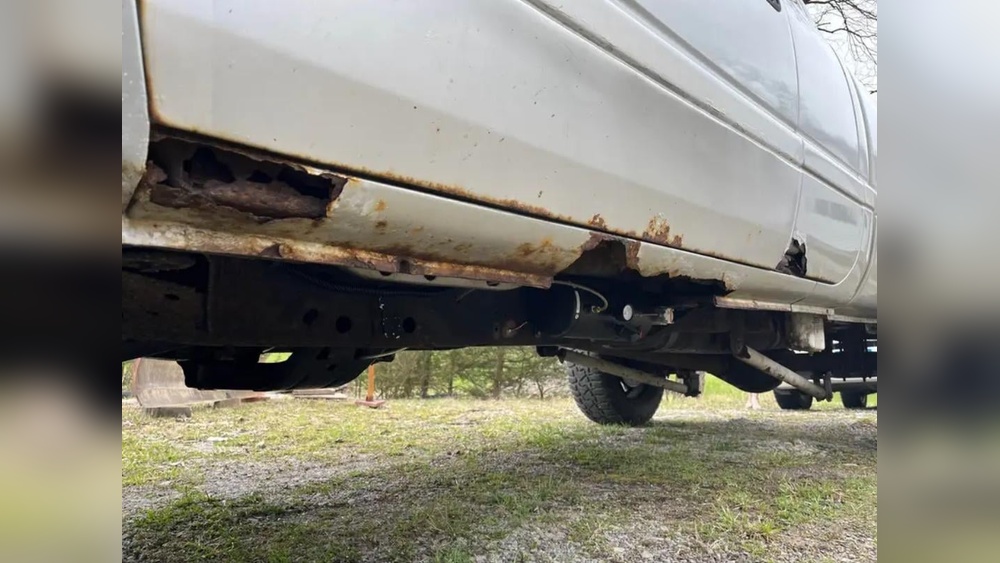
Can You Drive Without Rocker Panels?
If you’ve ever looked under your car’s doors and noticed a long strip of metal, you’ve found the rocker panels. Many drivers don’t even know they exist until something goes wrong. But what if these panels are missing, damaged, or rusted away? Can you still drive your car safely and legally without rocker panels? This question is more important than it sounds, especially for owners of older vehicles or cars exposed to harsh climates.
This article explores everything you need to know about driving without rocker panels. You’ll learn what they do, how they affect your car’s structure and safety, and whether you can get by without them. We’ll also cover legal and insurance issues, repair options, and what happens if you ignore problems with your rocker panels.
If you want practical, clear answers before making a decision, you’re in the right place.
What Are Rocker Panels And Why Do They Matter?
Rocker panels are the long, narrow sections of metal or plastic located along the bottom edge of your car’s body, between the front and rear wheel wells, just below the doors. On most vehicles, they look like a strong bar running below the doors, forming a bridge between the front and rear of the car.
Main Functions Of Rocker Panels
- Structural Support: Rocker panels are a key part of your car’s body structure. They help hold the frame together and keep the car from twisting.
- Crash Protection: During side impacts, rocker panels absorb and spread out crash forces. This protects both the frame and the people inside.
- Weather Protection: These panels keep water, dirt, and debris from getting into the car’s underbody and causing rust or other damage.
- Aesthetic Value: Rocker panels give the car a finished look and hide rough edges and parts below the doors.
Why They’re Often Overlooked
Most drivers never notice their rocker panels because they’re not a moving part. They don’t need regular maintenance like brakes or oil. But when they rust or get damaged, their importance becomes clear—especially if you live in areas with salty roads, rain, or snow, where rust is a big problem.
Is It Safe To Drive Without Rocker Panels?
Many drivers wonder if losing their rocker panels is just a cosmetic issue. The truth is, it’s about much more than looks.
Impact On Vehicle Safety
- Loss of Structural Strength: Without rocker panels, your car’s body is weaker. This makes it less able to handle bumps, potholes, or a crash.
- Higher Risk in Accidents: In a side collision, missing or rusted-through rocker panels mean less protection for passengers.
- Reduced Frame Rigidity: Rocker panels help prevent the car from bending or twisting. Without them, you may notice more rattling, squeaks, or even doors that don’t close properly.
Everyday Driving Concerns
- Water and Dirt Entry: Missing panels let water, mud, and salt reach parts that aren’t designed to handle it. This can cause more rust and lead to costly repairs.
- Noise and Vibration: Without rocker panels, road noise and vibrations are likely to increase. Your ride may feel rougher and less comfortable.
- Potential for Damage: Exposed wiring, brake lines, or fuel lines can be damaged by rocks or debris kicked up from the road.
Real-world Example
In cold-weather states like Michigan or Minnesota, cars often develop rusted-out rocker panels due to road salt. Many cars continue to operate, but their owners report more cabin noise, a “looser” feel, and in some cases, failed safety inspections.

Is It Legal To Drive Without Rocker Panels?
Laws about vehicle safety vary widely depending on your location. So, is it actually illegal to drive without rocker panels?
State And Local Laws
Most US states do not have laws specifically mentioning “rocker panels” in their vehicle codes. However, safety inspection requirements often include:
- No Sharp Edges or Protruding Parts
- No Major Rust Holes in Structural Areas
- All Body Panels Securely Attached
If missing rocker panels create sharp edges or large holes, your car could fail inspection. In some states, driving with major structural rust is a ticketable offense.
When You Might Get In Trouble
- Vehicle Inspection: States with mandatory inspections (like New York, Pennsylvania, or Virginia) may fail your car if the rocker panels are severely rusted or missing.
- Police Stops: If your car looks unsafe or has sharp, dangerous body parts, you could be stopped and cited.
- After an Accident: If lack of rocker panels contributed to greater damage or injuries, insurance companies may refuse to pay.
Insurance Considerations
Many insurance policies require your car to be in “roadworthy” condition. If you drive without rocker panels and have an accident, your claim might be denied if the missing parts are seen as a safety issue.
How Rocker Panels Affect Vehicle Structure: A Closer Look
You might wonder if rocker panels really matter for your car’s strength. Here’s what the data and engineering say.
| Component | Main Purpose | Effect of Removal |
|---|---|---|
| Rocker Panel | Structural support, side-impact protection | Weaker frame, higher risk in crashes |
| Roof Rail | Holds roof structure | Roof collapse risk in rollover |
| Floor Pan | Supports seats, base structure | Less stable seating, possible holes |
According to crash tests and automotive engineers, removing rocker panels can reduce side-impact strength by up to 30%. This may be the difference between walking away from a crash and being seriously hurt.

Common Reasons For Missing Or Damaged Rocker Panels
Why do so many cars end up with missing or badly rusted rocker panels? Here are the main reasons:
- Rust and Corrosion: Salt, water, and road debris eat away at the metal, especially in regions with snowy winters.
- Accidents: Even a small side-swipe can bend or break rocker panels. Sometimes, they’re not repaired properly after a crash.
- Off-Roading: Trucks and SUVs used off-road often lose or damage rocker panels on rocks or rough terrain.
- Poor Repairs: Cheap bodywork may skip the rocker panels entirely, especially if hidden damage is ignored.
- Aging Vehicles: After 10-15 years, many cars develop rust holes in the rocker panels unless they’re well maintained.
Non-obvious Insight
Many DIY car buyers check for frame rust but miss rocker panel damage. Rust here can spread to the floor pan or even seat mounts, leading to expensive repairs later.
Can You Replace Or Repair Rocker Panels?
If your rocker panels are missing or badly damaged, is it worth fixing them? Let’s break down your options.
Replacement Vs. Repair
- Full Replacement: Involves cutting out the old rocker panel and welding in a new one. This restores full strength but costs more.
- Overlay Panels: Cheaper “slip-on” panels are welded or glued over the old rust. They look better but don’t add as much strength.
- Rust Repair: Small holes can sometimes be patched with metal sheets and body filler, but this is a short-term fix.
Average Costs
| Method | Cost Range (USD) | Pros | Cons |
|---|---|---|---|
| Full Replacement | $1,000 – $2,500 | Restores strength, long-lasting | Expensive, time-consuming |
| Slip-On Panel | $300 – $700 | Cheaper, quick fix | Less structural support |
| Patch Repair | $100 – $400 | Low cost, fast | Temporary, not for large damage |
Diy Vs. Professional Repair
Replacing rocker panels is a tough job. It requires welding and precise fitting. Most DIY repairs are only cosmetic. For best results, use a professional body shop.
Insurance And Resale
A car with missing rocker panels may be worth up to 30% less on resale, since buyers worry about hidden rust. Insurance companies may also require repairs for full coverage.
Driving Experience Without Rocker Panels
What’s it really like to drive a car missing these parts? The experience changes in ways you might not expect.
Ride Quality
- More Noise: Road and wind noise are louder, especially at highway speeds.
- More Vibration: You may feel bumps and body flex as you drive, especially on rough roads.
- Drafts or Leaks: Missing rocker panels can let cold air, water, or even exhaust fumes into the cabin.
Handling And Stability
- Less Firmness: Some drivers notice the car feels “loose” or less solid, especially in quick turns or emergency maneuvers.
- Door Problems: Without proper support, doors may sag or become hard to close.
Real Owner Stories
Car forums are full of stories from drivers who ignored rusted-out rocker panels. Many report more body flex, rattles, and failed inspections. Some discovered hidden rust spreading to the floor, causing safety issues.
Non-obvious Insight
On modern cars, airbags and crash sensors are often mounted near the rocker panels. Missing or damaged panels can cause these systems to fail in a crash, even if the rest of the car looks fine.
When Is It Ok To Drive Without Rocker Panels?
There are a few situations where you might drive for a short time without rocker panels:
- After an Accident: If you’re on the way to a body shop, it’s usually safe for a short trip.
- For Off-Road Use: Some off-roaders remove rocker panels to add stronger aftermarket sliders, but these are replaced with stronger parts, not left open.
- Cosmetic Damage Only: If only the outer cover is missing and the inner structure is solid, you may be able to drive for a while.
Important Warnings
Even if you don’t notice problems right away, driving for weeks or months without rocker panels increases long-term risks. Rust spreads quickly once panels are missing, especially in wet or salty conditions.
How To Check The Condition Of Your Rocker Panels
Don’t wait for a mechanic to tell you there’s a problem. Here’s how to check your rocker panels at home:
- Visual Inspection: Kneel by your car and look under the doors. Check for holes, soft spots, or missing paint.
- Tap Test: Gently tap the panels with a screwdriver. If you hear a dull sound, rust may be hiding under the paint.
- Press Test: Push gently on the panel. If it flexes or crumbles, rust has eaten through.
- Look Inside: Open the doors and check the top edge of the rocker panel. Rust often starts here.
- Check the Underside: Use a flashlight to see underneath. Look for missing metal or holes.
What To Do If You Find Damage
Small spots can sometimes be patched, but large holes mean the inner structure is likely damaged. Get a professional inspection for major rust or missing panels.
Prevention: How To Protect Your Rocker Panels
Good news: you can slow or stop rocker panel damage with a few smart steps.
Regular Cleaning
Wash the lower part of your car, especially in winter. Pay attention to the area behind the front wheels, where most road salt collects.
Apply Rust Protection
Many body shops offer undercoating or rustproofing sprays. These help block salt and moisture from reaching the metal.
Repair Chips And Scratches
Touch up any paint chips in the rocker panel area. Even small cracks can let water in and start rust.
Use Mud Flaps
Install mud flaps behind your wheels to keep rocks and salt off your rocker panels.
Store Indoors When Possible
If you have a garage, use it. Keeping your car out of the rain and snow slows rust.

Cost-benefit: Is Repairing Rocker Panels Worth It?
Is it really worth spending hundreds or thousands of dollars on rocker panel repair? Here’s a summary to help you decide:
| Situation | Repair Worth It? | Why/Why Not? |
|---|---|---|
| Car less than 10 years old | Yes | Protects value, keeps car safe |
| Older car, minor rust | Maybe | Small repairs can delay bigger problems |
| Very old car, severe rust | No | Cost often higher than car’s value |
| Classic or collector car | Yes | Restores value, needed for show/sale |
In most cases, fixing your rocker panels is worth it for both safety and resale. But if your car is very old and has severe rust, it may be smarter to save the money for a newer vehicle.
What Happens If You Ignore Rocker Panel Problems?
Ignoring missing or damaged rocker panels can lead to bigger, more expensive problems:
- Spreading Rust: Rust often moves from rocker panels into the floor, seat mounts, and even suspension points.
- Failed Inspections: Many states will fail cars with visible structural rust or missing panels.
- Unsafe Driving: In a crash, you and your passengers are less protected.
- Lower Resale Value: Even if your car runs well, missing panels signal neglect to buyers.
- Insurance Issues: Claims can be denied if your car is considered unsafe.
Frequently Asked Questions
Can I Cover A Rusted Rocker Panel With Tape Or Plastic?
Covering up rust with tape or plastic might hide the problem, but it doesn’t fix it. Moisture can get trapped and make the rust worse. This is a temporary solution at best.
Is It Expensive To Fix Rocker Panels?
Repair costs vary. Small patches may cost $100–$400, but full replacements can run $1,000–$2,500 depending on the car and labor rates. For newer or valuable cars, repairs are usually worth the investment.
Will My Car Fail Inspection For Missing Rocker Panels?
If the panels are missing or have large holes, your car may fail inspection—especially in states with strict safety rules. Inspectors look for sharp edges, structural rust, and secure body panels.
Do All Cars Have Rocker Panels?
Most cars, SUVs, and trucks have rocker panels. However, some older designs or specialty vehicles (like race cars) may use different structures. Always check your specific vehicle’s design before repairs.
Where Can I Find More Information About Vehicle Safety Standards?
You can learn more about vehicle safety and structural requirements from the National Highway Traffic Safety Administration. See their official site: NHTSA.
Driving without rocker panels isn’t just a cosmetic issue—it affects safety, comfort, and even your car’s value. While you might be able to drive for a short time without them, the risks and long-term costs are real. If you notice rust or missing panels, address the problem quickly.
You’ll protect your passengers, your wallet, and your car’s future.