Swapping wheels between different car brands is a common question among vehicle owners looking to customize their ride. One of the most asked is: Will Jeep rims fit a Ford? Maybe you have a set of Jeep wheels you want to use on your Ford, or you spotted a good deal on used rims from a different make. Whatever the reason, mixing and matching wheels is more complex than just bolting them on. This guide will break down everything you need to know—from bolt patterns to hub sizes, center bores to offset—so you can make an informed decision and avoid mistakes that could cost you time and money.
Why People Want To Swap Rims Between Jeep And Ford
Many car enthusiasts look for ways to make their vehicle stand out. Swapping rims is a popular upgrade because it changes both style and performance. Jeep rims, especially those from the Wrangler or Cherokee, are known for their rugged look and strength. Ford trucks and SUVs, like the F-150 or Explorer, often share a similar tough aesthetic. Owners sometimes think these wheels should be interchangeable, especially since both brands are strong in the off-road and utility markets.
But the real reasons people consider this swap include:
- Saving money by buying used rims.
- Upgrading tire options for off-road adventures.
- Customizing appearance without buying expensive aftermarket wheels.
- Using spare wheels they already own from another vehicle.
However, not every Jeep rim will fit every Ford. Let’s dig into the technical side to see why.
Key Measurements That Determine Wheel Fitment
Swapping rims between brands requires you to check several technical details. If you miss even one, the wheels may not fit safely or at all. The main measurements are:
- Bolt pattern
- Center bore
- Wheel offset
- Wheel diameter and width
- Lug nut type and size
- Brake caliper clearance
Bolt Pattern
The bolt pattern (also called PCD or Pitch Circle Diameter) is the most important factor. It refers to the number of lug holes and the diameter of the circle they form. For example, a “5×114.3” means five lug holes on a 114.3mm circle.
Common Jeep And Ford Bolt Patterns
Let’s compare typical bolt patterns for popular Jeep and Ford models:
| Vehicle | Common Bolt Pattern | Years |
|---|---|---|
| Jeep Wrangler (JK/JL) | 5x127mm (5×5″) | 2007–present |
| Jeep Grand Cherokee | 5x127mm | 2011–present |
| Ford F-150 | 6x135mm | 2004–present |
| Ford Explorer | 5×114.3mm (5×4.5″) | 2011–2019 |
As you can see, Jeep rims often use 5x127mm, while Ford trucks and SUVs usually have different patterns—either 5×114.3mm or 6x135mm. This mismatch means that in most cases, Jeep rims will not directly bolt onto a Ford.
Center Bore
The center bore is the large hole in the middle of the rim. It must fit precisely onto the hub of your vehicle. If the center bore is too small, the rim won’t fit. If it’s too large, the wheel may not be centered correctly, leading to vibrations.
- Jeep center bores: Usually around 71.5mm (Wrangler, Grand Cherokee)
- Ford center bores: Range from 70.5mm to 87.1mm, depending on the model
If the Jeep rim’s center bore is larger than the Ford’s hub, you can use hub-centric rings to fill the gap. But if it’s smaller, the rim simply won’t fit unless you machine it larger (which is not recommended for safety reasons).
Wheel Offset
Offset is the distance between the wheel’s mounting surface and its centerline. It’s measured in millimeters and can be positive (toward the street), zero (even with the center), or negative (toward the inside of the car). The wrong offset can cause clearance issues with suspension, brakes, or fenders.
| Brand/Model | Typical Offset Range |
|---|---|
| Jeep Wrangler | +25 to +44 mm |
| Ford F-150 | +25 to +44 mm |
Offsets are sometimes similar between Jeep and Ford, but not always. Always check your specific model’s recommended offset before swapping.
Wheel Diameter And Width
Even if bolt pattern and center bore match, you must check the diameter and width of the rim. Using a rim that’s too wide or too narrow for your Ford can cause handling problems or tire wear.
- Most Jeeps use 17- or 18-inch diameter rims, widths from 7.5 to 8.5 inches.
- Ford trucks and SUVs also use 17-20 inch rims, but widths and tire profiles may differ.
Always check your Ford’s owner’s manual or the inside of the driver’s door for the correct size.
Lug Nut Type And Size
Jeep and Ford may use different lug nuts (tapered, flat, or ball seat) and thread pitches. Using the wrong lug nuts can be dangerous. Always match the lug nuts to your vehicle’s studs, not the rims.
Brake Caliper Clearance
Some Jeep rims are designed to clear large brake calipers, but not all. Ford vehicles, especially performance or larger models, may have bigger calipers. Always check for enough clearance before finalizing the swap.
Which Jeep Rims Might Fit A Ford—and Vice Versa?
Let’s break down some popular Jeep and Ford models and see where possible fits exist.
Jeep Wrangler Rims On Ford Explorer
- Jeep Wrangler (2007+): 5x127mm bolt pattern, 71.5mm center bore
- Ford Explorer (2011–2019): 5×114.3mm bolt pattern, 63.4mm center bore
These two do not match in bolt pattern or center bore. You would need adapters (not just spacers) to make them fit, which adds cost and complexity.
Jeep Grand Cherokee Rims On Ford Edge
- Grand Cherokee (2011+): 5x127mm
- Edge (2015+): 5x108mm, 63.4mm center bore
Again, bolt patterns are different, so direct fit is not possible.
Ford F-150 Rims On Jeep Wrangler
- F-150 (2004+): 6x135mm, 87.1mm center bore
- Wrangler (2007+): 5x127mm, 71.5mm center bore
Different bolt pattern and center bore, so not compatible.
Exceptions: Older Models And Aftermarket Rims
Some older Ford Rangers and Explorers (pre-2011) use a 5×4. 5″ (5×114. 3mm) pattern, which matches some older Jeep models like the Cherokee XJ (1984–2001) or Wrangler YJ/TJ (1987–2006). In these rare cases, a swap might work with some modifications, but you must always check center bore and offset.
Non-obvious insight: Many aftermarket rims are drilled with multiple bolt patterns (called “dual-drilled” or “multi-fit”). If you have aftermarket Jeep rims, check if they’re compatible with your Ford’s pattern.
Using Wheel Adapters Or Spacers: Pros And Cons
When the bolt pattern doesn’t match, some owners turn to wheel adapters. These are metal plates that bolt to your hub and offer a different bolt pattern for the rim.
Pros:
- Allow use of wheels from different brands
- Can fix offset issues
- Widely available for common conversions
Cons:
- Add extra weight to suspension
- Increase stress on wheel bearings
- Require high-quality installation for safety
- Can make your wheels stick out farther (may not be legal in all areas)
Important advice: If you use adapters, buy from a respected manufacturer and have them installed by a professional. Cheap or poorly installed adapters can fail, causing accidents.
How To Check Fitment Before Buying Or Installing Rims
Before you spend money or put in the work, always check:
- Your Ford’s bolt pattern and center bore. You can find this in the manual, on forums, or by measuring directly.
- The Jeep rim’s specs. These are often stamped on the back of the wheel or listed in the owner’s manual.
- Use online fitment guides. Sites like Wheel-Size.com offer databases for most vehicles.
- Test fit the rim on your Ford before mounting tires, if possible.
- Ask a professional at a tire or wheel shop.
Practical tip: Bring one of your Ford’s wheels to compare directly with the Jeep rim. Check all measurements, not just the bolt pattern.
Real-world Examples: What Owners Have Tried
Let’s look at some actual cases where people tried to swap Jeep and Ford rims.
Case 1: Jeep Wrangler Rims On Ford F-150
A Ford F-150 owner found a cheap set of Jeep Wrangler JK wheels. Both vehicles are trucks, so he assumed they’d fit. However, the Wrangler uses a 5x127mm bolt pattern and the F-150 uses a 6x135mm pattern. The rims did not fit at all—no amount of force or different lug nuts could make it work.
He would need expensive adapters, making the swap not worth it.
Case 2: Jeep Cherokee Xj Rims On Older Ford Ranger
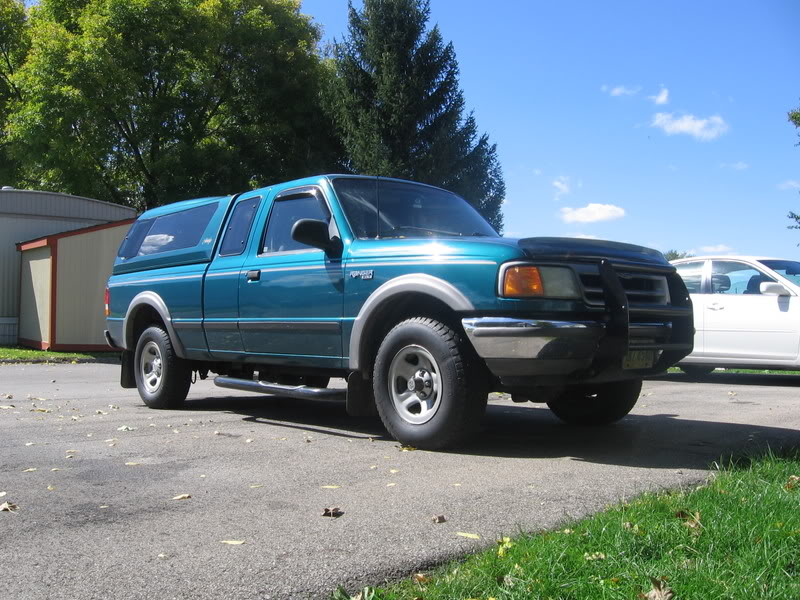
A 2000 Ford Ranger owner wanted to use Jeep Cherokee XJ wheels. Both vehicles use a 5×4. 5″ (5×114. 3mm) bolt pattern, and the center bore difference was only 1. 1mm. With a set of hub-centric rings and matching lug nuts, he made the swap successfully, but had to check offset to avoid rubbing the fenders.
Case 3: Aftermarket Jeep Rims On Ford Explorer
A set of aftermarket Jeep wheels with dual-drilled 5×127/5×114. 3mm patterns were installed on a 2017 Ford Explorer. The bolt pattern matched, but the center bore was larger on the Jeep rim. The owner used hub-centric rings to avoid vibration, and the wheels fit perfectly.
Non-obvious insight: Even if everything seems to fit, always check local laws regarding changing wheel and tire sizes. Insurance may be affected if you use non-OEM parts.

Risks Of Using Incompatible Rims
Putting the wrong rims on your Ford can cause:
- Vibration or shaking at speed (from a mismatched center bore)
- Wheel coming loose (wrong bolt pattern or lug nuts)
- Rubbing on brakes, suspension, or fenders (wrong offset/diameter)
- Premature tire wear or steering issues
Critical advice: Never force a wheel to fit. If the rim does not slide smoothly onto the hub and bolt up evenly, something is wrong.
How To Measure Your Own Bolt Pattern And Center Bore
You don’t need fancy tools to measure these yourself:
- Bolt pattern: For 5-lug wheels, measure from the back of one hole to the center of the opposite hole.
- Center bore: Use a caliper or ruler to measure the diameter of the hole in the center of the rim.
Check your vehicle’s specifications for exact numbers.
When Is It Worth Using Jeep Rims On A Ford?
You might consider this swap if:
- You have old Jeep rims in good shape and a Ford with a matching bolt pattern (rare but possible for older models).
- You plan to use adapters and have checked all safety concerns.
- You’re customizing an off-road vehicle where exact fitment is less critical.
But for most modern Ford trucks and SUVs, it’s easier and safer to buy rims specifically made for your model.
Recommendations For Buying Used Or Aftermarket Rims
If you still want to try, keep these points in mind:
- Always ask the seller for exact specs: Bolt pattern, center bore, offset, width, and diameter.
- Look for multi-fit aftermarket rims if you want flexibility.
- Inspect used rims for cracks, bends, or damage.
- Check return policy in case the wheels don’t fit.
- Consider the cost of adapters, hub rings, and new lug nuts in your budget.

Where To Find Reliable Wheel Specs
Many websites list wheel specs, but not all are accurate. For the most reliable information, use:
- Your vehicle’s owner’s manual
- Official dealership parts department
- Reputable fitment guides like Wheel-Size.com
- Forums for your specific Ford or Jeep model
What If You Already Bought Rims That Don’t Fit?
Don’t panic! You still have options:
- Sell or trade the rims to someone with a compatible vehicle.
- Buy adapters if you’re set on using them (after checking safety).
- Return them if you bought from a shop with a return policy.
Never use force, grind the rim, or install wheels that “almost” fit. Safety always comes first.
Frequently Asked Questions
Will Jeep Wrangler Wheels Fit On My Ford F-150?
No, Jeep Wrangler wheels use a 5x127mm bolt pattern, while the Ford F-150 uses a 6x135mm pattern. This means they are not compatible without special adapters, and even with adapters, you must check offset, center bore, and clearance.
Is It Safe To Use Wheel Adapters To Fit Jeep Rims On A Ford?
Wheel adapters can be safe if made from high-quality materials and installed by a professional. However, they add stress to the suspension and may not be legal everywhere. Always use adapters as a last resort and check local laws.
Can I Use Jeep Rims On An Older Ford Ranger Or Explorer?
Some older Ford Rangers and Explorers use the same 5×114. 3mm bolt pattern as certain older Jeep models (like the Cherokee XJ). In these cases, a swap may be possible with the correct hub-centric rings and lug nuts. Always check offset and center bore.
What Happens If The Center Bore Does Not Match?
If the center bore on the rim is too small, the wheel will not fit on the hub. If it’s too large, you’ll need hub-centric rings to avoid vibration. Never drive with a wheel that is not centered on the hub.
Where Can I Check The Exact Wheel Specs For My Vehicle?
The best sources are your owner’s manual, dealership parts departments, and trusted online databases like Wheel-Size.com. Always double-check before buying or installing new wheels.
Fitting Jeep rims on a Ford isn’t a simple “yes or no” answer. For most modern vehicles, the bolt patterns and center bores are too different for a direct swap. With older models or aftermarket rims, there’s sometimes a match, but you must check every measurement: bolt pattern, center bore, offset, and more. When in doubt, ask a professional or use trusted resources. Remember, wheels are a safety item—never cut corners just for looks or cost. If you want the best results, look for wheels designed for your Ford, and enjoy peace of mind on every drive.