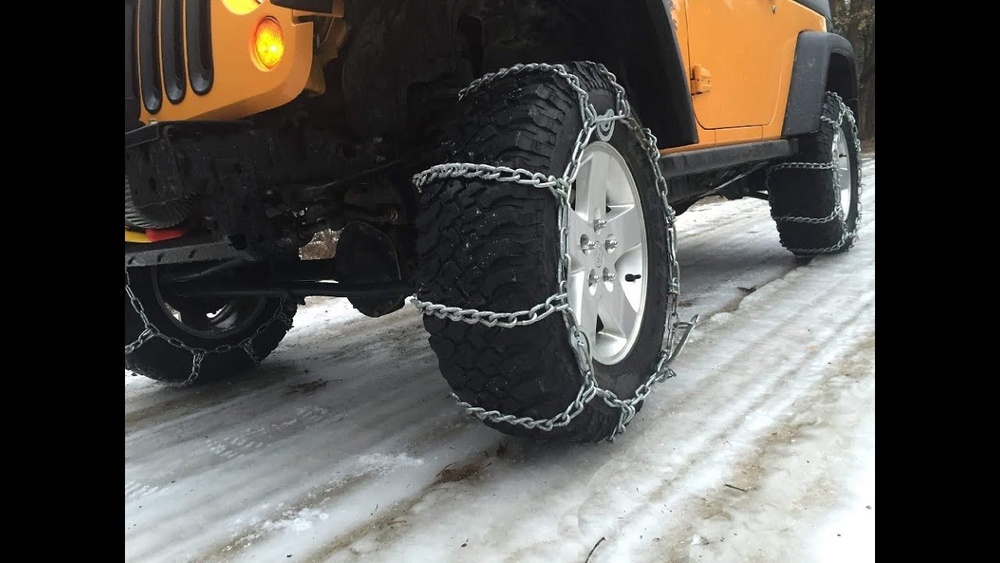
Many Jeep owners love adventure, especially in winter. Jeeps are famous for their off-road abilities and tough design, which makes them popular for snowy trips. But when snow and ice cover roads, even the most capable vehicle can struggle. Many drivers ask: “Do Jeeps need snow chains?” This question is important for safety, performance, and legal reasons. Not every Jeep needs chains all the time, but in some situations, chains can make a big difference. Let’s explore when snow chains are useful, how they affect your Jeep, and what you need to know before hitting the winter roads.
What Are Snow Chains?
Snow chains, also called tire chains, are metal links that wrap around your tires. Their main job is to give extra grip on snow or ice. Chains dig into slippery surfaces, helping tires avoid spinning and sliding.
Some key facts:
- Chains are usually made from steel for strength.
- They come in different sizes to match various tire types.
- Some chains are simple to install, while others need more effort.
- Chains can be bought for single-use or heavy-duty repeated use.
Why use chains? When roads are covered with deep snow or ice, regular tires—even winter tires—can lose their grip. Chains help the tires bite into the surface, making it easier to start, stop, and turn safely.
Jeep 4wd Vs. Snow Chains: Which Is Better?
Many Jeep models offer four-wheel drive (4WD) or all-wheel drive (AWD). These systems send power to all four wheels, improving traction compared to two-wheel drive. This leads many owners to believe their Jeep is “unstoppable” in winter.
But How Do 4wd And Snow Chains Compare?
| Feature | 4WD/AWD | Snow Chains |
|---|---|---|
| Traction on packed snow | Good | Excellent |
| Traction on ice | Moderate | Excellent |
| Legal requirement | Rarely | Often |
| Speed limit | Normal | Lower (20-30 mph) |
| Damage risk | Low | Moderate (if installed incorrectly) |
Insight: Even the best 4WD system can slip on glare ice. Snow chains give mechanical grip that tires alone cannot provide. In extreme winter conditions, chains outperform 4WD.
When Do Jeeps Really Need Snow Chains?
Not every winter drive requires chains. Here’s when they are necessary:
- Deep snow or ice: If roads are covered with thick snow or ice, chains help prevent getting stuck or sliding.
- Mountain passes: In places like Colorado, California, or Oregon, authorities sometimes require chains for all vehicles, including Jeeps.
- Legal mandates: Some states post “chain-up” signs. Ignoring these can lead to fines or being turned away.
- Steep hills: Chains help Jeeps climb or descend steep, slippery hills safely.
- Towing: If your Jeep is towing a trailer in winter, chains provide stability and prevent jackknifing.
Non-obvious insight: Even if your Jeep has winter tires and 4WD, you may still need chains in certain regions, especially during storms or when local law enforces them.
State Chain Laws In The Us
Every state has its own rules about snow chains. Some require chains during severe storms, others in specific months or mountain areas.
Here’s a summary of popular Jeep states:
| State | Chain Laws | Jeep 4WD Exempt? |
|---|---|---|
| California | Chains required in mountain passes during storms | Sometimes (depends on sign) |
| Colorado | Chains required for commercial vehicles; passenger vehicles with 4WD and snow tires are often exempt | Often |
| Oregon | Chains required during certain conditions | Sometimes |
| Washington | Chains required in winter mountain passes | Rarely |
| Utah | Chains required in some mountain areas | Sometimes |
Tip: Always check local laws before your trip. Some states post road conditions online, so you can plan ahead.
Types Of Snow Chains For Jeeps
Jeeps come in many sizes and tire types. Choosing the right chains is important.
1. Traditional Link Chains
- Made of steel links
- Best for deep snow and off-road
- Can be noisy and rough on paved roads
2. Cable Chains
- Made from steel cables with small metal rollers
- Lighter and easier to install
- Good for light snow or emergency use
3. Diamond Pattern Chains
- Crisscross pattern covers more tire area
- Smoother ride and better steering
4. Automatic Chains
- Mounted under the vehicle
- Deploy with a button, but expensive and rare for Jeeps
Non-obvious insight: Some Jeep models (like Wrangler Rubicon) have wide off-road tires that need special heavy-duty chains. Standard chains may not fit or may damage the tire.
How To Choose Snow Chains For Your Jeep
Picking chains is not just about size. Here’s what matters:
- Tire size: Check your Jeep’s tire size (marked on the sidewall) and buy chains that match.
- Clearance: Some Jeeps have limited space between the tire and suspension. Low-clearance chains are needed for modern SUVs.
- Driving conditions: If you drive mostly on paved roads, pick smoother, diamond-pattern chains. For off-road, heavy link chains are better.
- Ease of installation: Look for chains with clear instructions and quick-fit designs. Practice installing at home—don’t wait until you’re stuck in snow.
- Durability: If you drive in snow often, choose chains built for repeated use.
Common mistake: Buying chains without checking clearance. Chains that rub against brake lines or suspension parts can cause expensive damage.
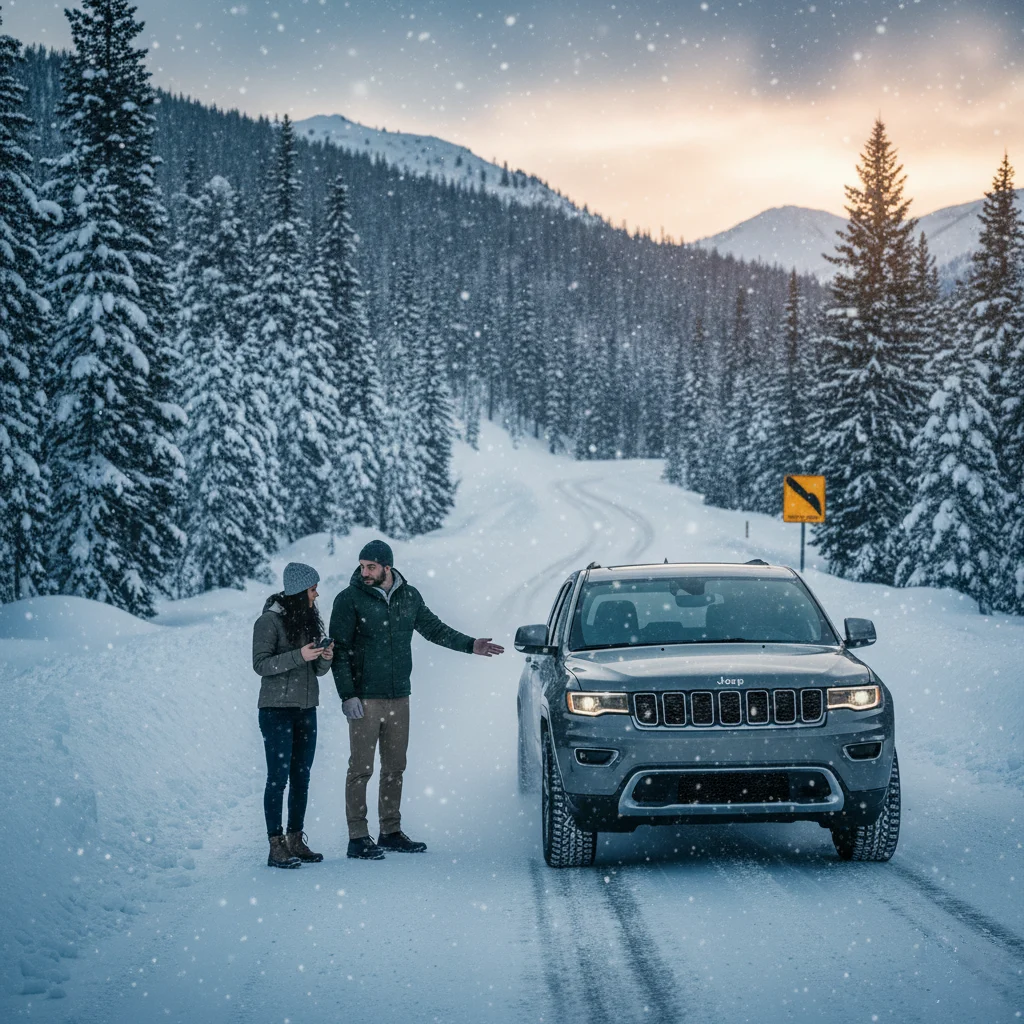
Installing Snow Chains: Step-by-step
Putting chains on your Jeep is easier if you follow these steps:
- Find a safe spot: Pull over on flat ground away from traffic.
- Lay out the chains: Remove twists and tangles.
- Fit over the tire: Hook the chains over the top of the tire, then roll the Jeep forward a few feet to wrap the rest.
- Connect and tighten: Hook the ends together and use a chain tightener for a snug fit.
- Check clearance: Make sure chains do not touch brake lines, shocks, or body panels.
- Drive forward slowly: After installation, drive a short distance and recheck the chains. Retighten if needed.
Tip: Always carry gloves and a flashlight. Installing chains in cold, snowy conditions can be tough.
Driving A Jeep With Snow Chains
Chains change the way your Jeep handles. Here’s what to expect:
- Lower speed limits: Chains work best below 30 mph. Driving faster can break the chains or damage your tires.
- More noise and vibration: Chains can be loud and make the ride rough, especially on dry pavement.
- Improved grip: You’ll notice much better traction on snow and ice.
- Longer stopping distance on dry roads: Chains can actually reduce grip on clean pavement, so remove them when conditions improve.
Insight: Avoid sudden acceleration or braking. Chains can slide if you drive aggressively, so gentle inputs are best.

Risks And Downsides Of Snow Chains
Snow chains are helpful but not perfect. Here are some things to keep in mind:
- Damage risk: Improperly installed chains can hit suspension parts, causing damage.
- Tire wear: Chains can wear out tires faster if used on dry pavement.
- Noise and discomfort: Chains make driving noisy and rough.
- Limited speed: You must drive slower with chains.
- Legal limits: Some states fine drivers for using chains on dry roads.
Non-obvious insight: If you forget to remove chains when snow disappears, you risk damaging both tires and the road surface.
Alternatives To Snow Chains For Jeeps
Some Jeep owners look for other ways to improve winter traction. Here are popular options:
1. Studded Tires
- Tires with embedded metal studs
- Excellent grip on ice, but noisy
- Illegal in some states outside winter months
2. Snow Socks
- Fabric sleeves that wrap around tires
- Easier to install, lighter, but less durable
3. All-terrain Or Winter Tires
- Special rubber formulas for cold weather
- Good for light snow, but not as effective as chains in deep snow or ice
| Traction Device | Best For | Downsides |
|---|---|---|
| Snow Chains | Deep snow, ice, steep hills | Noise, tire wear |
| Studded Tires | Ice, packed snow | Illegal in some places, expensive |
| Snow Socks | Light snow, emergency use | Low durability |
| Winter Tires | Cold, light snow | Limited in deep snow, ice |
Tip: For most Jeep owners, chains are the best option in extreme winter conditions. For mild winters, winter tires or snow socks may be enough.
Real-world Examples: Jeep Owners In Winter
Jeep drivers share many stories about snow chains:
- In the Sierra Nevada mountains, some owners report that chains are essential, even with 4WD. Without chains, Jeeps can slide off icy roads.
- In Colorado, Jeep groups often carry chains in winter, especially when heading to ski resorts.
- In Alaska, some drivers use heavy-duty chains for deep snow, but switch to winter tires when roads are clear.
Data point: According to the California Department of Transportation, in severe winter storms, vehicles without chains are 3 times more likely to get stuck or crash compared to those with chains.
Maintenance And Storage Of Snow Chains
Taking care of your chains is important for safety and longevity:
- Clean after use: Rinse chains with water to remove salt and dirt.
- Dry completely: Prevent rust by drying chains before storage.
- Store properly: Keep chains in a dry bag or box in your Jeep.
- Inspect for damage: Check for broken links or worn areas before each use.
Tip: Practice installing your chains at home at least once each winter.
Should You Buy Snow Chains For Your Jeep?
If you live or travel in areas with heavy snow, owning chains is smart. Even if you rarely use them, chains can be a lifesaver during storms or when laws require them. For Jeep owners in mild climates, chains may not be necessary, but it’s wise to carry them if you plan a winter trip.
Non-obvious insight: Some insurance companies offer discounts for drivers who carry chains and use them when required.
Frequently Asked Questions
Do All Jeeps Need Snow Chains In Winter?
No, not all Jeeps need chains. If you drive mostly in cities or areas with light snow, winter tires and 4WD may be enough. But in deep snow, ice, or mountain passes, chains are recommended or required.
Can I Use Snow Chains With Jeep 4wd?
Yes, you can. Chains add extra grip on top of 4WD. In extreme conditions, using both gives the best safety and performance.
Are Snow Chains Legal Everywhere?
No. Some states have restrictions. For example, California requires chains in mountain passes during storms. Other states ban chains on dry roads because they damage pavement. Always check local rules.
How Fast Can I Drive With Snow Chains?
Most chains are safe up to 30 mph. Driving faster can break the chains or damage your Jeep. Always follow the manufacturer’s instructions.
Where Can I Find Official Chain Laws For My State?
You can find updated chain laws on government websites. For example, the California Department of Transportation posts current requirements for mountain passes.
Final Thoughts
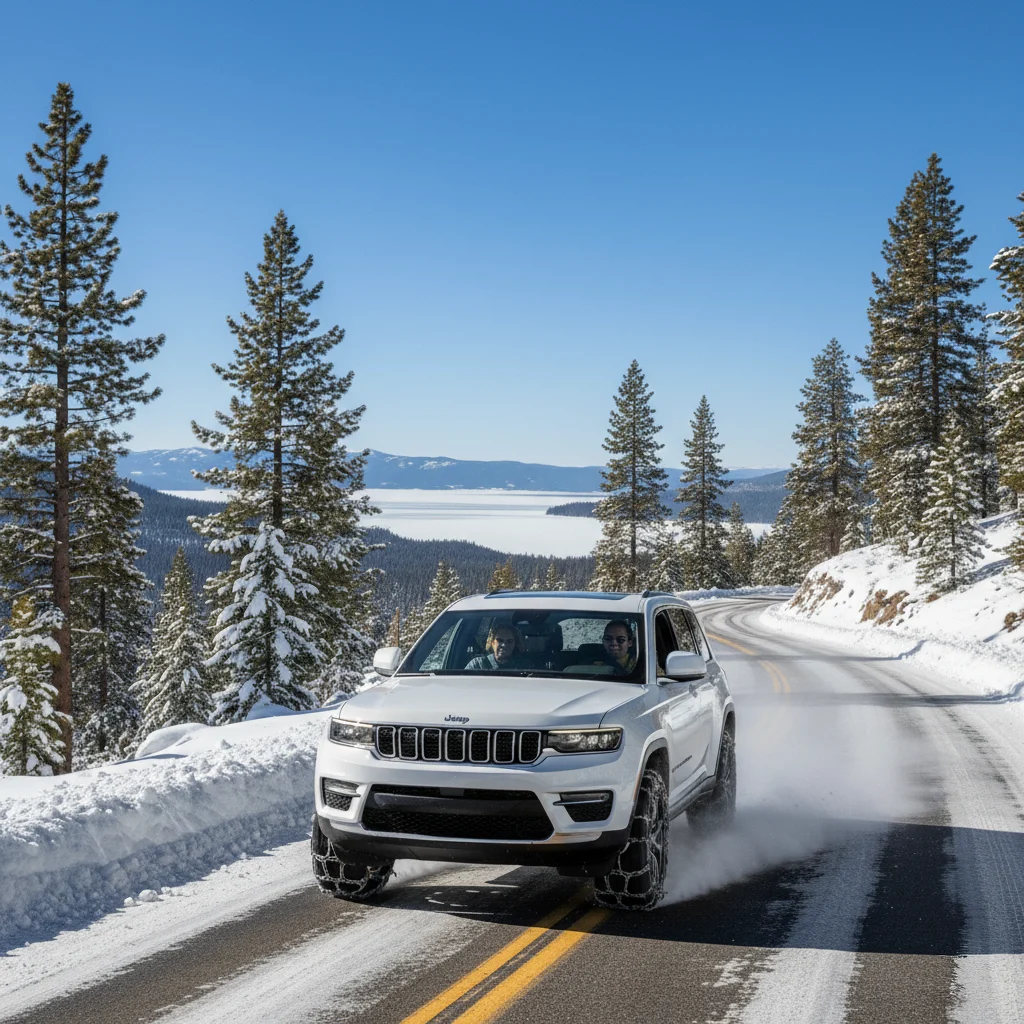
Jeeps are built for tough conditions, but winter can challenge even the best vehicles. Snow chains provide extra grip and safety when snow and ice cover the roads. Whether you need chains depends on where you drive, local laws, and your Jeep’s setup. For mountain adventures, deep snow, or icy roads, chains are often required. For city driving or light snow, winter tires and 4WD may be enough. Always check your tire size, clearance, and legal requirements before buying chains. Practice installing chains and keep them ready in your Jeep. Being prepared means you’ll enjoy winter journeys safely, no matter where your adventures take you.