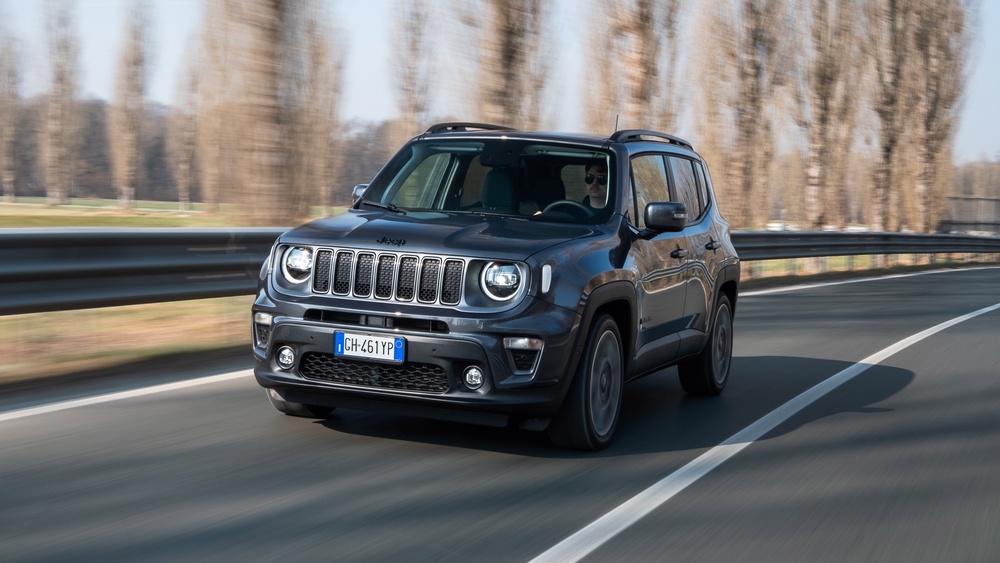
Most people think of the Jeep Renegade as a fun, rugged-looking SUV that’s surprisingly affordable. If you’ve ever shopped for small crossovers, you probably noticed one thing: Jeep Renegades often cost much less than other SUVs with similar features and size. This low price can seem almost too good to be true. What’s behind it? Are Renegades just a great value, or is there more to the story?
Understanding why Jeep Renegades are so cheap means looking at a mix of design decisions, market trends, resale values, and even public perception. If you’re considering buying one, or just curious about their pricing, this article explores every reason why Jeep Renegades cost less—without skipping the practical details most reviews miss.
Jeep Renegade: The Basics
Before digging into price, it helps to know what the Jeep Renegade actually is. The Renegade launched in 2015 as Jeep’s smallest SUV. It was designed to compete in the crowded subcompact crossover segment—a category packed with cars like the Honda HR-V, Mazda CX-30, and Hyundai Kona. The Renegade stands out for its boxy shape, off-road styling, and the Jeep badge, which is usually linked to adventure.
But unlike classic Jeeps, the Renegade is built on a platform shared with the Fiat 500X. This means it’s more city-friendly than the big Jeep Wrangler or Cherokee. It comes in both front-wheel drive and all-wheel drive versions, with a choice of small engines aimed at fuel economy, not power.
Why Are Jeep Renegades So Cheap?
A mix of factors—some obvious, some hidden—make the Renegade more affordable than rivals. Here’s a closer look at why.
1. Built With Cost-saving In Mind
One key reason for the low price is the way the Renegade is built. Jeep designed the Renegade to be cheap to manufacture from the start.
- Shared Platform: The Renegade uses the same basic structure as the Fiat 500X. Sharing parts and design reduces costs dramatically. Jeep doesn’t have to create new molds, engines, or suspensions from scratch.
- Italian Production: Unlike most Jeeps, the Renegade is built in Melfi, Italy. Labor costs there are lower than in the US, and the factory is set up for high-volume, efficient production.
- Simpler Engineering: The engines, transmissions, and electronics are designed to be easy to build and maintain, not to break performance records.
This cost-saving approach helps Jeep keep the sticker price low. But it also means the Renegade doesn’t have the heavy-duty feel of more expensive Jeeps.
2. Low Resale Value
Another big factor: Jeep Renegades lose value faster than many rivals. This isn’t just opinion—used car data backs it up.
- According to industry sources, the Renegade loses about 50% of its value after three years.
- By comparison, a Honda HR-V or Toyota C-HR might lose only 35–40%.
Why does this matter? Dealers and private sellers know that Renegades won’t fetch high prices when resold. So, the market price—even for new models—stays low to attract buyers who know they’ll take a hit at trade-in time.
3. Tough Competition In The Segment
The subcompact SUV market is crowded. Car makers like Honda, Hyundai, Kia, and Mazda all offer well-reviewed alternatives. To compete, Jeep keeps Renegade prices down.
Here’s how the Renegade stacks up against some rivals:
| Model | Base Price (2026) | Engine Power | Warranty |
|---|---|---|---|
| Jeep Renegade | $28,445 | 177 hp | 3 yrs/36k mi |
| Hyundai Kona | $24,100 | 147 hp | 5 yrs/60k mi |
| Mazda CX-30 | $24,995 | 191 hp | 3 yrs/36k mi |
| Honda HR-V | $24,100 | 158 hp | 3 yrs/36k mi |
The Renegade has to price aggressively just to get noticed. If it cost the same as these rivals, most buyers would choose the better-known, higher-rated options.
4. Mixed Reliability And Quality Reports
Reliability is a weak point for the Jeep Renegade. Owners and industry studies often report more problems compared to rivals.
- Consumer Reports and J.D. Power rank the Renegade below average for reliability.
- Common complaints include electrical issues, transmission problems, and engine troubles.
- Repair costs can be higher than for some competitors.
Most buyers research reliability before buying. When a car has a reputation for problems, prices fall as sellers try to compensate for the risk. Even people who love the Renegade’s look may hesitate if they’re worried about repairs.
5. Basic Standard Features
At first glance, the Renegade’s low price seems like a great deal. But look closer, and you’ll see that the cheapest models come with fewer features than many competitors.
- Basic infotainment: Small touchscreens, no navigation on low trims.
- Limited driver assists: Advanced safety features like adaptive cruise control often cost extra.
- Cheaper materials: Hard plastics and simple fabrics are common.
To match the features of a Kona or CX-30, you usually need to move up to a more expensive Renegade trim—erasing some of the price advantage.
6. Fuel Efficiency Lags Behind
Fuel economy matters for small SUV buyers, and here the Renegade disappoints. The 2026 Renegade gets 23 mpg city, 29 mpg highway—below average for the class.
Let’s compare with a quick table:
| Model | City MPG | Highway MPG |
|---|---|---|
| Jeep Renegade | 23 | 29 |
| Honda HR-V | 26 | 32 |
| Hyundai Kona | 30 | 35 |
| Mazda CX-30 | 26 | 33 |
Lower fuel efficiency means higher running costs. To stay competitive, Jeep must keep the Renegade’s purchase price low.
7. Not A “true” Jeep In Some Eyes
Many Jeep fans see the Renegade as less “authentic” than bigger Jeeps. They prefer models like the Wrangler or Grand Cherokee, which have real off-road history and more rugged engineering.
The Renegade’s city-friendly design, Fiat underpinnings, and small engines have made some Jeep loyalists look elsewhere. This perception reduces demand, especially for used models.
Non-obvious insight: The Renegade’s popularity among urban drivers actually hurts its value in rural or off-road-focused markets, where “real Jeeps” matter more.
8. High Inventory And Incentives
Dealerships often have large stocks of unsold Renegades. Jeep sometimes offers big discounts, rebates, or special financing to move these cars.
- Cash back offers: Up to $4,000 off in some markets.
- Low-interest loans: 0% APR for qualified buyers.
When cars sit on lots, dealers cut prices to clear space. This keeps new and used Renegade values down.
9. Leasing Volume
A large share of Renegades are leased, not bought. When leases end, these cars flood the used market, pushing prices down.
Leased vehicles are usually returned after 2–3 years, just as their value drops steeply. Buyers have more choices, so dealers must price aggressively to sell.
10. Simple Drivetrain Choices
While some rivals offer turbo engines, hybrids, or advanced all-wheel drive, the Renegade sticks to basic engine options. This keeps costs low, but also means less excitement for buyers who want cutting-edge tech.
Non-obvious insight: The lack of hybrid or EV options makes the Renegade less attractive to eco-conscious buyers, who are often willing to pay more for greener cars.

Who Should (and Shouldn’t) Buy A Jeep Renegade?
The Renegade’s low price is both a strength and a warning. It’s important to know who gets the most value—and who might regret buying one.
Good Choice For:
- Budget shoppers: If you want a new SUV for less, the Renegade undercuts rivals.
- City drivers: Its small size and light steering make it easy to park and handle in traffic.
- Style fans: The Renegade’s boxy look is unique in its class.
- Occasional adventurers: Trailhawk versions can handle light off-roading.
Not Ideal For:
- High-mileage drivers: Poorer fuel economy and reliability mean higher long-term costs.
- Resale-focused buyers: Expect heavy depreciation.
- Families needing space: The back seat and cargo area are smaller than many competitors.
- Tech lovers: Fewer advanced features at entry-level trims.
How Jeep Renegade Pricing Compares Over Time
A look at recent years shows how the Renegade’s pricing strategy has played out in the market:
| Year | Starting MSRP | Average Used Price (3 yrs old) | Depreciation Rate |
|---|---|---|---|
| 2020 | $22,275 | $14,500 | 35% |
| 2026 | $22,850 | $15,000 | 34% |
| 2026 | $24,695 | $17,200 | 30% |
| 2026 | $28,445 | — | — |
The Renegade has always been priced below many rivals. Depreciation is higher than average, which keeps used prices down.
Real-world Ownership Costs
Buying a cheap car isn’t always the same as owning a cheap car. The Renegade’s total cost of ownership includes:
- Insurance: Average for the class.
- Fuel: Higher than rivals, due to worse mpg.
- Maintenance and repairs: Above average, especially after the warranty ends.
- Resale/trade-in value: Lower than most competitors.
Practical tip: If you plan to keep your car for many years, the Renegade’s low price can offset some long-term costs. But if you trade in often, you’ll lose more to depreciation.
Jeep’s Brand Strategy And The Renegade
Jeep uses the Renegade to attract younger, budget-focused buyers to the brand. It’s an entry point—many owners “trade up” to bigger Jeeps later. Keeping the Renegade cheap is a smart move for Jeep, even if it means lower profits per vehicle.
Jeep also offers frequent special editions and incentives on the Renegade, which keeps prices flexible. This approach helps Jeep compete with brands like Hyundai and Kia, which change their pricing and features often.
Common Misconceptions About Cheap Pricing
Some buyers think a low price means the Renegade is “junk” or unsafe. In reality, the Renegade meets all modern safety standards and has performed well in crash tests.
However, buyers should understand:
- The cheap price is not due to poor safety, but to cost-cutting in other areas.
- Low prices do not mean luxury or advanced features.
- You get the basics; extras cost more.
Always look past the sticker price to see what you’re actually getting.
How To Get The Best Value On A Jeep Renegade
If you decide a Renegade fits your needs, these steps can help you get the most for your money:
- Shop end-of-year sales: Dealers often discount last year’s models deeply.
- Compare trims carefully: The base model is cheapest, but higher trims have better features for not much more.
- Check incentives: Jeep’s website and local dealers list current rebates and financing deals.
- Consider certified pre-owned (CPO): You can save thousands on a lightly used Renegade with warranty coverage.
- Negotiate: There’s often room to bargain, especially if the dealer has a large inventory.
Pro tip: Always test drive competitors—like the Hyundai Kona or Mazda CX-30—before making a final decision. Sometimes paying a bit more up front saves money in the long run.

Alternatives To The Jeep Renegade
If you like the Renegade’s price but want more reliability or features, check out these alternatives:
- Hyundai Kona: Lower price, better fuel economy, longer warranty.
- Mazda CX-30: Sportier handling, more upscale interior.
- Honda HR-V: Top reliability, roomy back seat.
- Kia Seltos: Long warranty, available turbo engine.
- Nissan Kicks: Cheapest in the segment, but less power.
Each has its own strengths and weaknesses, but all are worth a test drive if you’re shopping for value.
The Bottom Line: Why Renegades Are So Cheap
The Jeep Renegade is cheap for clear reasons: cost-cutting design, tough competition, lower reliability, and weak resale value. For buyers who just want a stylish, affordable SUV and plan to keep it a long time, it can be a smart buy. But if you value long-term reliability, features, or resale, you may find better value elsewhere.
Before deciding, weigh the Renegade’s low price against its total cost of ownership and your own priorities. Cheap up front doesn’t always mean cheap in the long run—but for some, the Renegade’s unique style and affordability are just right.
To learn more about vehicle reliability and depreciation, check out this Consumer Reports guide.
Frequently Asked Questions
Why Do Jeep Renegades Lose Value So Quickly?
The Renegade’s fast depreciation is mostly due to mixed reliability, high supply from lease returns, and lower demand compared to top rivals. Buyers know about these issues, so prices stay low—even for newer used models.
Are Jeep Renegades Reliable Cars?
Reliability is one of the Renegade’s weak spots. Industry studies and owner reports show more problems than average, especially with electronics and transmissions. Some owners have few issues, but repair costs can be higher than with Honda or Toyota competitors.
Is The Jeep Renegade Safe Despite Its Low Price?
Yes, the Renegade meets all US safety standards and gets average to good scores in crash tests. Basic safety features are included, but some advanced driver aids cost extra on lower trims.
Do Jeep Renegades Cost More To Maintain?
Maintenance costs are slightly higher than the class average, especially after the warranty expires. Parts can be pricier, and electrical issues are a common complaint. Choosing a certified pre-owned model can help reduce risk.
What’s The Best Year To Buy A Used Jeep Renegade?
Look for 2019 or newer models. These years have updated features and improved reliability compared to earlier versions. Always check service history and get a pre-purchase inspection.
If you’re shopping for a Jeep Renegade, remember: the low price comes with both pros and cons. Consider your needs, budget, and how long you plan to keep the car before making a choice.