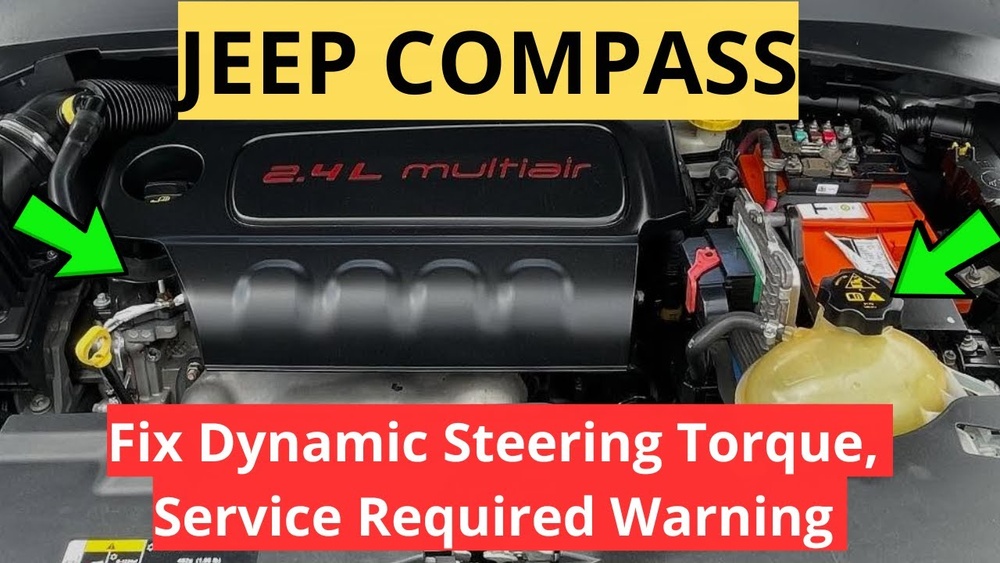
When your car flashes a warning that says Dynamic Steering Torque Service Required, it’s more than just a light on the dashboard. This message signals a problem with one of your vehicle’s most advanced safety and driving comfort systems. Ignoring it can lead to bigger headaches, from stiff steering to risky driving conditions. Understanding what dynamic steering torque means, why the service alert appears, and how to fix it can save you time, money, and stress.
Let’s explore what this warning is all about, what causes it, and the best way to solve it. Whether you drive a modern Audi, Volvo, Ford, or another brand with advanced steering, this guide will give you the clarity you need.
What Is Dynamic Steering Torque?
Dynamic Steering Torque refers to the force applied by your vehicle’s electric or electro-hydraulic power steering system. In modern cars, steering is no longer just about turning the wheel; sensors and computers help adjust the amount of force needed to steer the vehicle. This makes driving smoother and safer, especially at high speeds or on slippery roads.
The system measures things like:
- Steering angle
- Vehicle speed
- Road conditions
- Torque input from the driver
Based on this information, the control unit adjusts steering assistance in real-time. For example, it may give you more help when parking and less at highway speeds.
Why Do Cars Use Dynamic Steering Torque?
Car makers add dynamic steering torque systems for several reasons:
- Safety: Helps drivers keep control during emergency maneuvers.
- Comfort: Reduces steering effort at low speeds, making parking easier.
- Precision: Offers more accurate steering response at higher speeds.
- Advanced Features: Enables driver aids like lane-keeping assist and automatic parking.
The system is especially common in luxury brands like Audi and Volvo, but you’ll also find versions in Ford, BMW, Toyota, and other mainstream models.
What Does “dynamic Steering Torque Service Required” Mean?
When your car shows a Dynamic Steering Torque Service Required warning, it means the system has detected a problem it can’t fix automatically. You may notice:
- A yellow or red steering wheel icon on the dashboard
- Heavy or stiff steering
- The steering wheel doesn’t return to center after a turn
- Loss of advanced steering features (lane assist, etc.)
This alert means the car’s computer wants you to get the system checked by a professional. In some cases, the car may switch off power steering assistance completely, making the steering much harder than usual.
Severity Of The Warning
Not all warnings are equal. A yellow or amber light means the system is compromised but may still work. A red light means a serious failure—steering could be much harder and less safe. If you get a red warning, it’s best to stop driving and call for assistance.
How Dynamic Steering Torque Systems Work
To understand why the service message appears, it’s helpful to know how these systems function. Here’s a simplified overview:
| Component | Role in Dynamic Steering Torque |
|---|---|
| Steering Torque Sensor | Measures how much force you apply to the wheel |
| Electronic Control Unit (ECU) | Processes sensor data and sends commands |
| Electric Motor / Hydraulic Pump | Provides extra steering assistance as needed |
| Vehicle Speed Sensor | Adjusts assistance based on how fast you’re going |
| Yaw and Acceleration Sensors | Detects car movement to improve stability |
All these parts work together. If one fails or sends bad data, the whole system can set off a warning.
Common Causes Of The Dynamic Steering Torque Service Required Message
Several things can trigger this warning. Here are the most frequent causes, along with insights many drivers miss:
1. Faulty Steering Torque Sensor
This sensor tells the system how hard you’re turning the wheel. If it fails, the car can’t give you the right steering assistance. Many times, the failure is due to wiring damage or corrosion at the sensor plug—not the sensor itself.
2. Electronic Control Unit (ecu) Problems
If the ECU loses power, sees voltage spikes, or gets software errors, it can disable the system. Sometimes, a simple battery disconnect or low battery voltage can “confuse” the ECU.
3. Electric Motor Or Hydraulic Pump Failure
The motor or pump that provides steering force can wear out over time, especially in cars with high mileage. Unusual noises, like whining or clicking, may be early warning signs before the service light appears.
4. Steering Angle Sensor Misalignment
The steering angle sensor tells the system which way the wheel is pointing. If it gets out of sync (after a wheel alignment, for example), you may see the service message. Many people overlook that a recent suspension or steering repair can trigger this misalignment.
5. Damaged Wiring Or Loose Connections
Modern cars have complex wiring. A loose plug, corroded connector, or broken wire can cause intermittent faults. Mice or rodents sometimes chew wiring, especially in cars parked outside.
6. Battery And Charging System Issues
Low voltage can affect all electronic systems, including steering. A weak battery or failing alternator is a common, but often missed, cause.
7. Software Or Calibration Errors
After certain repairs, the system may need to be recalibrated using dealer-level tools. Skipping this step can leave the system “confused” and trigger the warning.
8. Physical Damage From Impact
Hitting a curb or pothole can jolt sensors, bend parts, or break connectors. Sometimes the damage isn’t visible unless you look closely.
9. Fluid Leaks (hydraulic Systems Only)
If your vehicle uses electro-hydraulic steering, a loss of fluid due to a leak will set off the warning.
Diagnosing The Problem: What Should You Do?
Seeing the Dynamic Steering Torque Service Required alert can be stressful, but don’t panic. Here’s how to approach the problem:
- Check for Obvious Issues
- Inspect for any dashboard warnings about battery or charging systems.
- Listen for strange noises when turning the wheel.
- Look for leaking fluid under the car (for hydraulic systems).
- Restart the Vehicle
- Sometimes, the warning is a “ghost” error caused by a temporary glitch.
- Turn the car off, wait 60 seconds, and restart. If the message stays, move to the next step.
- Scan for Diagnostic Trouble Codes (DTCs)
- Use an OBD-II scanner to read codes from the steering and main computer systems.
- Even inexpensive scanners can give you a starting point, but some codes require advanced tools.
- Check Battery Voltage
- Low voltage can trigger false warnings. Measure with a multimeter; a healthy battery should read around 12.6 volts with the car off.
- Inspect Wiring and Connectors
- Look for any loose, corroded, or damaged plugs around the steering column and under the hood.
- Give wires a gentle wiggle to see if the warning flickers on or off.
- Visit a Qualified Repair Shop
- If you can’t find the problem yourself, have a professional run a full diagnostic. Make sure the shop has experience with your car’s brand and dynamic steering systems.
Important Insights
- Not all mechanics are familiar with advanced steering systems. Ask if the shop has up-to-date tools and experience.
- Software resets or calibrations often fix problems after parts are replaced—but this step is often missed by general repair shops.
How To Fix Dynamic Steering Torque System Issues
The right fix depends on the root cause. Here are typical repair actions and what you should expect:
| Problem | Repair Solution | Estimated Cost (USD) |
|---|---|---|
| Faulty Steering Torque Sensor | Replace sensor, recalibrate system | $300–$600 |
| ECU or Software Glitch | Update/reprogram ECU, reset codes | $150–$400 |
| Electric Motor Failure | Replace motor assembly | $700–$1,200 |
| Wiring/Connector Issue | Repair or replace wiring/connectors | $100–$350 |
| Steering Angle Sensor Misalignment | Recalibrate sensor | $100–$250 |
| Battery/Alternator Issue | Replace battery/alternator | $150–$600 |
| Fluid Leak (Hydraulic) | Repair leak, refill fluid | $200–$500 |
Repair Vs. Replacement
- Many faults are simple: A reset or recalibration.
- Some parts (like the steering motor) are expensive.
- Used or refurbished parts can save money, but may carry risks.
- Always insist on a post-repair test drive and system scan.
Can You Drive With The Dynamic Steering Torque Service Required Warning?
You may be able to drive short distances if the system still works, but it’s not recommended. Here’s why:
- Steering may be heavy or unpredictable, especially at low speed.
- Advanced safety features (like lane keeping) may be disabled.
- In some cars, steering assist can fail suddenly.
If you must drive, go slowly and avoid highways. If the steering feels much heavier, or you see a red warning, stop and call for help.
Preventing Dynamic Steering Torque Problems
Prevention is always better than repair. Here’s how you can reduce the chance of seeing this warning:
- Keep your battery and charging system healthy.
- Have your steering and suspension checked regularly.
- Avoid hitting curbs, potholes, or debris.
- After any steering or alignment work, ask for a full system calibration.
- Protect your car from rodents by parking in a garage or using repellents if you live in a rodent-prone area.
- Schedule regular software updates at the dealer, especially if you drive a luxury or late-model vehicle.
Non-obvious Prevention Tips
- If you use aftermarket wheels or tires, always recalibrate the steering system after installation. Many owners skip this, leading to misaligned sensors and warnings.
- Don’t ignore brief or flashing steering warnings—even if they go away on their own. They often point to intermittent wiring or sensor issues.

Real-world Example: Audi And Volvo Dynamic Steering Issues
Let’s look at two brands known for dynamic steering:
Audi
Audi’s Dynamic Steering uses an advanced electric motor and sensors to adjust the steering ratio on the fly. Many owners report the “Dynamic Steering Torque Service Required” message after battery replacement or suspension work. The fix often involves recalibrating the system with a dealer tool. Skipping this step leaves the warning active and disables advanced features.
Volvo
Volvo’s Active Steering system also uses torque sensors and a motor. A common issue is sensor misalignment after wheel alignment or collision repair. Even a small misalignment can set off the warning. Dealers use a special calibration process to reset the system.
Both brands underline the need for proper calibration after repairs—something many independent shops overlook.
How Manufacturers Handle Dynamic Steering Torque Service
Different car makers use their own systems, but most follow a similar approach. Here’s a quick comparison:
| Brand | System Name | Common Issues | Dealer Fix |
|---|---|---|---|
| Audi | Dynamic Steering | Sensor misalignment, software glitches | Recalibration, software update |
| Volvo | Active Steering | Sensor misalignment, wiring faults | Recalibration, repair wiring |
| Ford | EPAS (Electric Power Assisted Steering) | Motor failure, low voltage | Replace motor, check battery |
| BMW | Servotronic | ECU issues, sensor failure | Replace ECU, recalibrate |
When To Seek Professional Help
Some steering system problems can be solved at home, but most need advanced tools and experience:
- If you’re unsure, see a dealer or specialist.
- Ask for a full report of all scanned codes, not just the main warning.
- Make sure the shop performs a road test and system calibration after repair.
Tips For Choosing A Repair Shop
- Choose a shop familiar with your car’s brand and steering technology.
- Ask if they have the latest diagnostic equipment.
- Request a warranty on parts and labor for peace of mind.
Cost Of Ignoring The Dynamic Steering Torque Service Required Warning
Delaying a fix can lead to bigger issues:
- Worn steering components can fail, increasing accident risk.
- Disabling safety features may void your insurance coverage in case of an accident.
- Higher repair bills if a simple sensor issue leads to further damage.
Addressing the warning early saves money and keeps you safe.
Frequently Asked Questions
What Happens If I Ignore The Dynamic Steering Torque Service Required Warning?
Ignoring the warning can lead to stiffer steering and loss of advanced safety features. Over time, it may damage other steering parts, increasing repair costs.
Is It Safe To Drive With The Warning Light On?
It’s possible for short trips, but not recommended. If the steering feels heavy or unresponsive, or the warning is red, stop driving and seek help.
Can I Reset The Warning Myself?
Sometimes, disconnecting the battery or using a basic OBD-II scanner can clear the message. However, if the underlying problem isn’t fixed, the warning will return. Dealer tools are often needed for a permanent reset.
How Much Does It Cost To Repair Dynamic Steering Torque Problems?
Costs range from $100 for a simple reset to over $1,200 for motor replacement. Most common fixes are in the $200–$600 range.
Where Can I Learn More About Dynamic Steering Systems?
You can find more technical details and troubleshooting guides on the Variable-ratio steering Wikipedia page.
Getting a “Dynamic Steering Torque Service Required” warning is never fun, but now you know what it means, how to diagnose it, and what to do next. Fixing the problem quickly not only keeps your car safe but also protects your wallet from bigger repairs down the road.
Stay alert, address issues early, and your car’s advanced steering system will keep working as designed.