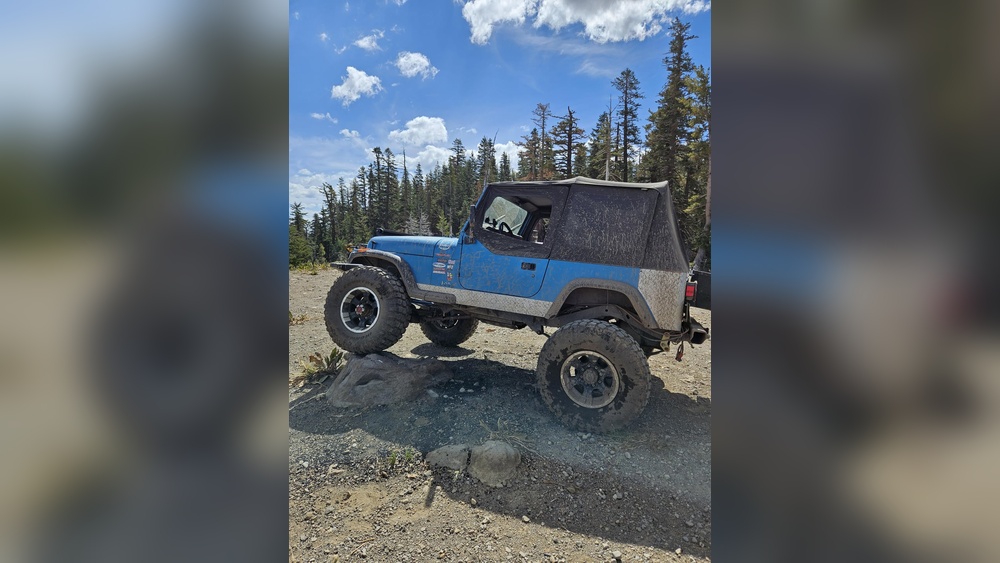
If your Jeep Wrangler sputters at low RPM, you’re not alone. Many Wrangler owners notice rough idling, hesitation, or shaking when driving slowly or sitting at a stoplight. These symptoms can be frustrating, especially if your Jeep runs fine at higher speeds. Sputtering at low RPM can also signal deeper problems under the hood, some easy to fix and others more complicated. Ignoring these signs could lead to more expensive repairs or even leave you stranded on the trail. Understanding why your Wrangler sputters and how to address it is key to enjoying the smooth, rugged drive Jeeps are known for.
What Does Sputtering At Low Rpm Mean?
When a Jeep Wrangler sputters, it usually means the engine is not running smoothly at slow speeds. You might feel the Jeep shake, hesitate, or even jerk a little, especially when the RPM gauge is below 1500. Sometimes, you’ll hear a choppy or uneven sound from the exhaust.
This can happen when you’re idling, gently accelerating, or crawling over obstacles off-road.
Sputtering isn’t just annoying—it’s your Jeep’s way of telling you something is wrong. The engine needs the right mix of air, fuel, and spark to run well. If any part of this mix is off, especially at low RPMs when the engine is less forgiving, you’ll feel it.
Sputtering can point to problems with fuel delivery, ignition, air intake, sensors, or even exhaust flow.
Common Causes Of Jeep Wrangler Sputtering At Low Rpm
Many parts work together to keep your Jeep’s engine running smoothly. When one part fails, it can cause sputtering. Here are the most common reasons:
1. Dirty Or Faulty Fuel Injectors
Fuel injectors spray gasoline into your engine at just the right moment. Over time, they can get clogged with dirt or carbon. When injectors don’t spray properly, your engine gets too much or too little fuel. This is especially noticeable at low RPM, where the engine is more sensitive.
Symptoms: Rough idle, poor acceleration, reduced fuel economy.
Insight: Many owners skip regular fuel injector cleaning, which can lead to long-term buildup and more expensive repairs.
2. Bad Spark Plugs Or Ignition Coils
Spark plugs and ignition coils create the spark that ignites the fuel-air mixture in your engine. Worn plugs or failing coils can cause weak or missing sparks, leading to misfires and sputtering.
Symptoms: Engine shakes, check engine light, trouble starting, especially in cold weather.
3. Vacuum Leaks
A vacuum leak means extra air is getting into the engine, upsetting the fuel-air balance. This can happen if hoses crack, gaskets fail, or intake manifold seals wear out.
Symptoms: High or erratic idle, hissing sound under the hood, poor acceleration.
4. Failing Sensors (o2, Maf, Map, Tps)
Modern Wranglers rely on sensors to control how much fuel and air the engine uses. A faulty oxygen sensor (O2), mass airflow sensor (MAF), manifold absolute pressure sensor (MAP), or throttle position sensor (TPS) can send the wrong signals, causing sputtering.
Symptoms: Poor gas mileage, check engine light, engine hesitation.
Non-obvious Insight: Some sensor issues don’t trigger a warning light right away but still cause sputtering.
5. Clogged Air Filter
A dirty air filter blocks airflow to the engine. Less air means the fuel mix is too rich, causing rough running at low speeds.
Symptoms: Reduced power, black smoke from exhaust, increased fuel consumption.
6. Weak Fuel Pump Or Dirty Fuel Filter
A weak fuel pump or clogged fuel filter makes it hard for gasoline to reach the engine, especially at idle or low speed.
Symptoms: Sputtering, stalling, slow acceleration, trouble starting after sitting overnight.
7. Exhaust System Problems
If your catalytic converter or exhaust system is blocked, exhaust gases can’t escape properly. This backup can make the engine run rough at low RPM.
Symptoms: Rotten egg smell, check engine light, poor performance, rattling under the Jeep.
8. Idle Air Control Valve Issues
The idle air control (IAC) valve helps the engine manage airflow at idle. If it sticks or fails, your Wrangler might idle roughly or stall.
Symptoms: Fluctuating idle, stalling at stops, hesitation when starting.
9. Engine Timing Problems
If your timing chain or belt slips or stretches, the engine’s valves and pistons are not in sync. This can cause misfires and sputtering, especially noticeable at low speeds.
Symptoms: Rattling noise, engine won’t start, check engine light.
10. Faulty Egr Valve
The exhaust gas recirculation (EGR) valve helps control emissions by recirculating some exhaust back into the engine. If it sticks open or closed, your engine can run rough.
Symptoms: Rough idle, stalling, failed emissions test.
11. Old Or Bad Gasoline
Gasoline breaks down over time or can get contaminated with water. Bad gas makes the engine run poorly, especially at low RPM.
Symptoms: Sputtering right after filling up, hard starts, reduced power.
12. Transmission Problems
Sometimes, the issue is not the engine but the transmission. A slipping transmission or bad torque converter can make your Jeep shudder at low speeds.
Symptoms: Delayed shifting, slipping gears, shuddering at low speed.
13. Dirty Throttle Body
Throttle bodies can get dirty and sticky, making it hard for the engine to control air at low RPM.
Symptoms: Unstable idle, hesitation when you tap the gas.

Diagnosing Sputtering In Your Jeep Wrangler
Finding the real cause of sputtering can be tricky. Start with these steps:
1. Listen And Observe
Notice when the sputtering happens. Is it only at idle? When you accelerate slowly? After a cold start? These details help narrow down the cause.
2. Scan For Trouble Codes
Use an OBD-II scanner to read trouble codes from your Jeep’s computer. Even if the check engine light is off, stored codes can point you in the right direction.
3. Visual Inspection
Open the hood and check for:
- Cracked or loose vacuum hoses
- Dirty or damaged spark plug wires
- Corroded battery terminals
- Signs of leaks or worn parts
4. Check Maintenance History
When were the spark plugs, air filter, and fuel filter last changed? Skipping basic maintenance can trigger sputtering.
5. Compare Symptoms
Here’s a quick comparison of common causes and what you might notice:
| Possible Cause | Key Symptom at Low RPM | Quick Test |
|---|---|---|
| Dirty Fuel Injector | Rough idle, hesitation | Add fuel injector cleaner, see if better |
| Bad Spark Plug | Shaking, misfire | Pull plug, check for wear |
| Vacuum Leak | High/rough idle | Spray carb cleaner on hoses, listen for change |
| Clogged Air Filter | Poor acceleration | Remove filter, check if dirty |
| Bad Sensor | Check engine light, hesitation | OBD-II scan for codes |
Step-by-step Solutions For Sputtering At Low Rpm
Fixing a sputtering Wrangler depends on the root cause. Here’s a practical order to check and repair:
1. Start With Simple Maintenance
- Replace spark plugs and wires if they’re old.
- Swap out the air filter and fuel filter if dirty or overdue.
- Add a bottle of fuel injector cleaner to your gas tank.
These steps fix many minor sputtering problems and cost little.
2. Inspect For Vacuum Leaks
Look for cracked hoses, loose clamps, or broken gaskets. Listen for a hissing sound. Replacing a bad hose is cheap and usually easy.
3. Clean The Throttle Body And Iac Valve
Remove the throttle body and spray with throttle body cleaner. If you’re comfortable, clean the IAC valve as well. This helps the engine control idle air better.
4. Test Or Replace Sensors
If you get a code for the O2, MAF, MAP, or TPS sensor, check the wiring and connectors. Replacing a failed sensor is a common fix and often solves rough running.
5. Check Fuel System
Listen for the fuel pump when you turn the key on. If it’s quiet or the Jeep is hard to start, the pump or filter may be weak. A mechanic can test fuel pressure.
6. Inspect The Exhaust System
Check for rattling or strong smells from the exhaust. A blocked catalytic converter can cause major drivability problems.
7. Investigate Further If Problems Remain
If none of these steps work, deeper issues like engine timing or transmission faults may be the cause. These require a professional mechanic.

Real-world Jeep Wrangler Owner Experiences
Many Wrangler owners share their stories online about chasing down sputtering issues. For example, a 2012 Wrangler owner fixed a rough idle by cleaning the throttle body and replacing the spark plugs. Another solved low-speed hesitation by finding a small vacuum hose with a crack hidden behind the intake manifold.
A few learned the hard way that skipping basic maintenance, like changing the air filter, led to more complex sensor problems later. Others found that adding a fuel injector cleaner every few months kept their engines running smoother, especially with today’s ethanol-blended fuels.
Non-obvious insight: Sometimes, multiple small issues combine to cause sputtering. Fixing only one (like spark plugs) may help, but addressing several minor items together often solves the problem for good.
How Sputtering Affects Wrangler Performance And Longevity
Even if your Jeep drives fine most of the time, repeated sputtering at low RPM can cause:
- Reduced fuel economy from poor combustion
- Premature wear on engine parts (pistons, valves, sensors)
- Catalytic converter damage from unburned fuel
- Increased emissions (might fail inspections)
- Potential breakdowns if ignored too long
Catching and fixing sputtering early saves money and keeps your Wrangler on (and off) the road longer.
How Different Wrangler Generations Handle Sputtering
Not all Wranglers are the same under the hood. Here’s a quick comparison of common causes by generation:
| Wrangler Generation | Engine Type | Common Sputtering Causes |
|---|---|---|
| YJ (1987-1995) | 4.0L I6, 2.5L I4 | Vacuum leaks, old carburetor issues |
| TJ (1997-2006) | 4.0L I6, 2.5L I4 | Faulty sensors, dirty IAC valve |
| JK (2007-2018) | 3.6L V6, 3.8L V6 | Sensor failures, fuel injector clogging |
| JL (2018+) | 2.0L Turbo, 3.6L V6 | Turbo vacuum leaks, advanced sensor issues |
Tip: Newer Wranglers have more electronic controls, so OBD-II scans are even more helpful. Older models may need a hands-on approach.
Preventing Sputtering At Low Rpm
You can avoid most sputtering issues with good habits:
- Keep up with maintenance: Change spark plugs, filters, and fluids on schedule.
- Use quality fuel: Avoid gas stations with old or unknown fuel quality.
- Add fuel system cleaner: Every few months, especially if you drive short trips.
- Inspect hoses and sensors: Look for cracks or corrosion during oil changes.
- Warm up the engine: Let your Jeep idle for a minute before driving, especially in cold weather.
When To See A Mechanic
Some sputtering causes are simple DIY fixes, but others require special tools or knowledge. Go to a mechanic if:
- The check engine light flashes or stays on
- You smell strong fuel or rotten eggs
- The Jeep stalls, loses power, or is hard to restart
- Home fixes don’t solve the problem
A professional has diagnostic tools and experience to dig deeper, especially with complex sensors or internal engine issues.
Cost Estimates For Common Sputtering Repairs
Here’s an idea of what you might pay for typical fixes at a repair shop:
| Repair | Estimated Cost (Parts & Labor) |
|---|---|
| Spark plug replacement | $80–$200 |
| Fuel injector cleaning | $70–$150 |
| Air filter replacement | $30–$60 |
| Sensor replacement (O2/MAF/TPS) | $120–$400 |
| Vacuum hose repair | $50–$150 |
| Catalytic converter | $900–$2,500 |
| Fuel pump replacement | $400–$700 |
Prices vary by region and shop. DIY repairs can save money but require the right tools and know-how.
Should You Drive A Sputtering Wrangler?
If your Jeep sputters only once or twice, it’s usually safe to drive home or to the shop. But regular or severe sputtering is risky. You could damage the catalytic converter, get stranded, or cause an accident if the engine stalls in traffic. Always address repeated sputtering as soon as possible.
Useful Resources And Further Reading
For more technical details on Wrangler engines and troubleshooting, you can visit the official Jeep website for manuals and updates.
Frequently Asked Questions
Why Does My Jeep Wrangler Sputter Only When Cold?
Cold engines need a richer fuel mix. If your sensors, spark plugs, or air intake are dirty or failing, the engine struggles until it warms up. Cleaning the throttle body and checking the coolant temperature sensor often helps.
Can Bad Gas Cause Sputtering At Low Rpm?
Yes. Old, contaminated, or water-filled gasoline makes the engine run rough, especially at idle or low speed. If sputtering starts right after filling up, try a different gas station and add a fuel system cleaner.
Will A Dirty Air Filter Make My Wrangler Sputter?
A clogged air filter restricts airflow, making the fuel-air mix too rich. This leads to rough running and sputtering, especially at low RPM. Replacing the air filter is a quick and cheap fix.
How Do I Know If A Vacuum Leak Is Causing My Sputter?
Listen for a hissing sound near the engine. Spray carburetor cleaner around hoses and intake gaskets—if the engine idle changes, you likely have a vacuum leak. Cracked hoses are common culprits.
Is It Safe To Keep Driving If My Wrangler Sputters At Low Rpm?
Occasional sputtering might not be urgent, but regular or severe sputtering can damage your engine or exhaust system. It’s best to fix the problem soon to avoid bigger repairs later.
Your Jeep Wrangler is built for adventure, but it needs all its parts working together for a smooth ride. Regular checks and maintenance can stop sputtering before it ruins your next trip. If you catch a sputter early, you’ll keep your Wrangler running strong for years to come.