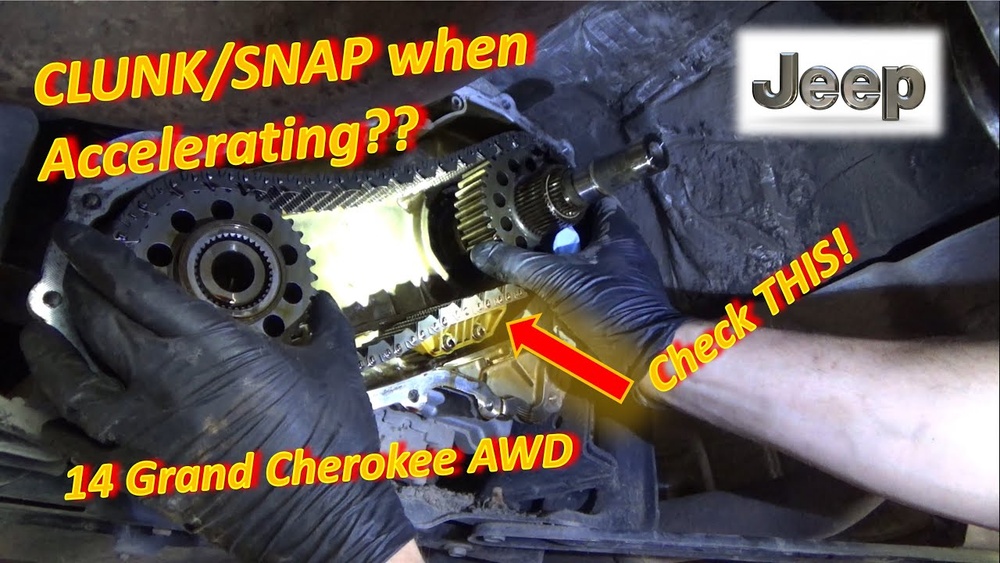
If your Jeep Cherokee makes a popping noise when accelerating, you’re probably worried about the cause—and what it might cost to fix. This type of sound can be alarming, especially if you’re not sure where it’s coming from or what it means. For many drivers, the noise starts as a small click, pop, or snap, but can grow louder or more frequent over time. Understanding why this happens can help you act quickly, avoid bigger problems, and keep your vehicle safe on the road. In this article, you’ll learn what can cause popping noises during acceleration, how to diagnose them, and what steps to take next.
Common Causes Of Popping Noise When Accelerating
The Jeep Cherokee is a reliable SUV, but like any car, it can develop noises as parts wear out or fail. Popping sounds during acceleration are often linked to issues in the engine, exhaust, suspension, or drivetrain. Let’s look at the most frequent reasons:
1. Worn Cv Joints
Constant velocity (CV) joints are found in the front axles of most Cherokees. They allow the wheels to turn and move up and down. When CV joints become dry or damaged, they can make a popping or clicking sound—especially when turning or accelerating.
Signs of worn CV joints:
- Popping noise increases with acceleration or turning
- Grease splatter inside the wheel well
- Vibrations in the steering wheel
Replacement cost: $200–$500 per axle, depending on labor and parts.
2. Faulty Engine Mounts
Engine mounts hold the engine in place. If they break, the engine can shift or vibrate, causing popping or clunking sounds when accelerating.
Symptoms:
- Noise is louder when starting from a stop
- Excessive engine movement
- Vibrations felt inside the cabin
Replacement cost: $150–$400 per mount.
3. Damaged Exhaust System
A leak or crack in the exhaust manifold or pipes can create popping sounds, especially during acceleration. Sometimes, the noise is accompanied by a hissing or rattling.
Symptoms:
- Popping noise from under the car
- Smell of exhaust fumes
- Reduced engine performance
Repair cost: $100–$800, depending on the location and severity.
4. Loose Or Broken Suspension Components
Suspension parts such as control arms, bushings, and sway bar links can wear out. When they do, they may produce popping noises as the vehicle moves and the suspension compresses.
Symptoms:
- Noise is worse over bumps or uneven roads
- Poor handling
- Uneven tire wear
Repair cost: $100–$600 per component.
5. Ignition Or Fuel System Issues
Problems with spark plugs, ignition coils, or fuel injectors can cause the engine to misfire. Misfires may produce popping sounds from the engine or exhaust.
Symptoms:
- Engine stumbles or hesitates
- Check engine light comes on
- Reduced power and fuel economy
Repair cost: $80–$300, depending on the part.
6. Air Intake Leaks
A cracked or loose air intake hose can let extra air into the engine, causing popping or backfiring noises.
Symptoms:
- Noise is louder when accelerating hard
- Engine runs rough
- Reduced throttle response
Repair cost: $50–$200 for replacement.
7. Drivetrain Problems
Issues with the driveshaft, differential, or transfer case can cause popping or clunking sounds when accelerating.
Symptoms:
- Noise comes from underneath the vehicle
- Vibrations at higher speeds
- Difficulty shifting gears
Repair cost: $200–$1,500, depending on the part and labor.
8. Loose Heat Shields
Many Cherokees have metal heat shields around the exhaust and underbody. If these shields loosen, they can vibrate and cause popping or rattling noises.
Symptoms:
- Noise changes with speed or road bumps
- No effect on vehicle performance
Repair cost: $50–$150 for tightening or replacing shields.
Diagnosing The Popping Noise
Finding the source of a popping noise can be tricky. Here’s how to approach the problem step by step:
Listen Closely
Try to notice:
- Where the sound comes from (front, rear, engine bay, undercarriage)
- When it happens (only when accelerating, or also when turning/braking)
- How loud and frequent the noise is
Inspect Visually
Look for:
- Grease leaks near the wheels (CV joints)
- Broken or cracked mounts
- Damaged exhaust pipes or heat shields
- Worn suspension parts
- Loose hoses or connections
Use Simple Diagnostic Tools
- A flashlight can help you spot cracks or leaks
- Jack up the vehicle safely to check underneath
- Have a helper rev the engine or drive while you listen from outside
Scan For Error Codes
Many modern Cherokees (especially 2014 and newer) have OBD-II ports. Plug in a code scanner to check for engine or ignition faults.
Test Drive
Drive at different speeds and conditions:
- Straight acceleration
- Turning left and right
- Braking and going over bumps
Write down what triggers the popping noise.
Check Service History
If your Cherokee has had recent repairs or part replacements, check if any work might have caused the issue (e. g. , loose bolts after suspension work).
How To Fix Jeep Cherokee Popping Noise
Once you’ve identified the likely cause, you can decide how to fix it. Not every repair needs a mechanic—some are simple enough for a confident DIY owner.
Cv Joint Replacement
If CV joints are the culprit:
- Buy quality replacement axles or joints
- Remove the wheel and axle, replace with new parts
- Refill with fresh grease and torque bolts properly
Tip: Always replace both joints on the same axle for best results.
Engine Mount Replacement
If mounts are broken:
- Support the engine with a jack
- Remove old mounts and install new ones
- Tighten bolts to manufacturer specs
Tip: Use OEM mounts for durability.
Exhaust Repair
For leaks or cracks:
- Locate the damaged section (often at welds or flex pipes)
- Use exhaust repair kits for small cracks
- Replace pipes or manifold for bigger damage
Tip: Seal small leaks with high-temp tape as a temporary fix.
Suspension Fixes
Replace worn parts:
- Inspect control arms, bushings, and sway bars
- Use quality aftermarket or OEM parts
- Align wheels after suspension repairs
Tip: Check for rust or corrosion before installing new parts.
Ignition/fuel System Repairs
For misfires:
- Replace spark plugs with correct type
- Swap out ignition coils or fuel injectors as needed
- Clean air intake and throttle body
Tip: Use dielectric grease on spark plug boots for better contact.
Air Intake Fix
If hoses are loose:
- Tighten clamps and replace cracked hoses
- Ensure air filter is seated properly
Tip: Check for vacuum leaks using spray water around connections.
Drivetrain Repairs
For driveshaft or differential issues:
- Inspect for worn U-joints or bearings
- Replace damaged components with quality parts
Tip: Lubricate new parts as recommended.
Heat Shield Tightening
If shields are loose:
- Tighten bolts or replace missing hardware
- Use new heat-resistant washers
Tip: Check shields during oil changes for early signs of loosening.
Jeep Cherokee Model Years And Noise Issues
Different Cherokee generations may have unique problems. Here’s a comparison of common noise causes by year:
| Model Year | Common Noise Cause | Typical Repair Cost |
|---|---|---|
| 1997–2001 (XJ) | CV joints, exhaust leaks | $200–$600 |
| 2014–2018 (KL) | Suspension bushings, ignition misfire | $100–$500 |
| 2019–2026 (KL) | Heat shield, engine mounts | $50–$400 |
Older Cherokees (XJ) often develop drivetrain and exhaust noises, while newer models (KL) have more electronic and suspension issues. Always check for recalls or service bulletins for your specific year.
How Popping Noise Affects Performance And Safety
Ignoring a popping noise can lead to serious consequences. Here’s how it impacts your Jeep Cherokee:
Reduced Safety
- Broken CV joints can cause sudden loss of control
- Damaged suspension can affect steering and braking
- Exhaust leaks can let dangerous fumes into the cabin
Lower Performance
- Engine misfires reduce power and fuel efficiency
- Loose mounts or drivetrain parts cause vibration and rough ride
Increased Repair Costs
- Small issues can become expensive if left untreated
- Ignoring leaks or noises may damage other systems
Legal And Environmental Risks
- Exhaust leaks can fail emissions tests
- Loud noises may violate local laws
Tip: Fix noises early to keep your Cherokee safe and reliable.
Real-world Examples
Here are some common scenarios from Jeep Cherokee owners:
- Front-end popping when accelerating and turning: This usually points to bad CV joints. One owner replaced both axles and the noise disappeared.
- Popping noise from under the car after hitting a pothole: Likely a loose heat shield or suspension part. Tightening bolts fixed the issue.
- Engine popping with hesitation: A misfire caused by worn spark plugs. Replacing plugs restored power and stopped the noise.
- Exhaust popping after cold start: A small leak in the exhaust manifold. Sealing the leak with high-temp epoxy solved the problem.
These cases show how fast a simple fix can solve popping noises—and prevent bigger problems.
Preventing Popping Noise In Your Jeep Cherokee
It’s easier to prevent noises than to fix them later. Here are practical steps:
- Regular inspections: Check suspension, exhaust, and drivetrain parts during oil changes.
- Use quality parts: Cheap replacements often fail quickly and cause new noises.
- Lubricate joints: CV joints and bushings need grease to last longer.
- Tighten bolts: After any repair, double-check all bolts and clamps.
- Monitor engine performance: If you notice rough running, scan for codes and fix issues early.
- Listen to your vehicle: Small noises are often early warnings.
- Clean underbody: Removing dirt and rust prevents corrosion and keeps parts moving smoothly.
Cost Comparison: Diy Vs Mechanic Repairs
Some fixes are simple, others need a professional. Here’s a cost comparison:
| Repair Type | DIY Cost | Mechanic Cost | Difficulty |
|---|---|---|---|
| CV Joint Replacement | $80–$200 | $250–$500 | Moderate |
| Engine Mount Replacement | $50–$120 | $200–$400 | Advanced |
| Exhaust Leak Repair | $25–$100 | $150–$800 | Easy–Moderate |
| Spark Plug Replacement | $20–$50 | $80–$150 | Easy |
DIY repairs save money, but only if you have the tools and skills. If you’re not confident, a mechanic can ensure the job is done right.
Non-obvious Tips For Diagnosing Popping Noise
Many beginners miss these practical ideas:
- Check for recalls: Sometimes, popping noises are caused by manufacturer defects. Visit the Jeep website for recall info.
- Look for pattern failures: If several owners report the same noise in your model year, it’s likely a common fault.
- Use a stethoscope: Mechanics use automotive stethoscopes to pinpoint noises. You can buy one online for under $20.
- Test with tire rotation: Sometimes, rotating tires can change the noise pattern and help identify the affected area.
- Compare noise with AC on/off: In rare cases, the AC compressor or belt causes popping noises—testing with AC helps diagnose.
When To Seek Professional Help
Not every popping noise needs a mechanic, but some signs mean you should get help:
- Loud pops that increase with speed
- Noise followed by loss of power or control
- Burning smell, smoke, or visible leaks
- Engine or transmission warning lights
A trusted mechanic can diagnose complex issues quickly. Look for shops with Jeep experience and good reviews.

Jeep Cherokee Maintenance Checklist
Keeping your Cherokee quiet and reliable means regular care. Here’s a simple checklist:
- Inspect CV joints and boots for cracks or leaks
- Check engine mounts for wear or damage
- Examine exhaust for leaks, rust, or loose shields
- Inspect suspension for worn bushings or bolts
- Change spark plugs every 30,000 miles
- Replace air filter every 15,000 miles
- Lubricate drivetrain components as recommended
- Scan for error codes every 6 months
Following this checklist prevents most popping noises and keeps your SUV running smoothly.
Frequently Asked Questions
What Causes Popping Noise When Accelerating In My Jeep Cherokee?
The most common causes are worn CV joints, damaged engine mounts, exhaust leaks, loose suspension parts, and ignition system misfires. The exact cause depends on where the noise comes from and when it happens.
Is It Safe To Drive With A Popping Noise?
It depends on the cause. If the noise is minor and doesn’t affect handling, it may be safe for short trips. But loud or increasing pops, especially from the drivetrain or suspension, can be dangerous. It’s best to diagnose and fix the issue as soon as possible.
Can I Fix Popping Noise Myself?
Many repairs, like spark plug replacement or tightening heat shields, are simple and safe for DIY. More complex fixes, like CV joint replacement or engine mount repairs, require tools and experience. Always check your repair manual and safety guidelines.
How Much Does It Cost To Fix Popping Noise In A Jeep Cherokee?
Costs vary by cause. Simple fixes like tightening bolts cost under $50, while major repairs like CV joints or exhaust replacement can be $200–$800. DIY repairs save money, but professional help ensures quality.
Where Can I Find More Information About Jeep Cherokee Repairs?
For official guidance and detailed repair info, visit the Jeep Owners website. You can also join Jeep forums for real-world advice from other owners.
If your Jeep Cherokee pops when you accelerate, don’t ignore it. A little noise can signal a big problem. Listen, inspect, and act quickly. With the right diagnosis and repair, you’ll enjoy a quiet, safe drive—and save money in the long run.
