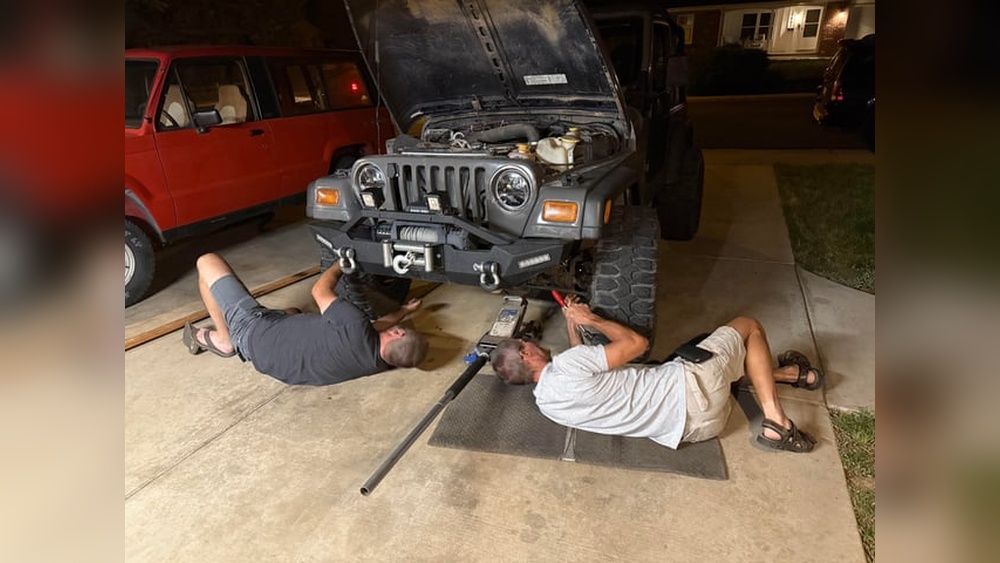
When you drive your Jeep Wrangler and press the brake pedal, you expect the vehicle to slow down smoothly and straight. But if your Jeep Wrangler pulls to the right when braking, it can feel unsafe and frustrating. This problem not only affects your comfort but can also signal serious issues with your brakes, suspension, or steering. Understanding why your Wrangler behaves this way is the first step to fixing it and driving safely again.
Many Jeep owners notice their vehicle drifting or pulling to one side, especially during braking. Sometimes, it’s a small tug; other times, it’s a strong pull. This is not just a minor annoyance—it can make emergency stops dangerous and increase tire wear.
In this article, we’ll explore all the causes behind this issue, practical solutions, and how you can prevent it in the future. Whether you’re new to Jeep ownership or have years of experience, you’ll find clear answers and confident guidance to keep your Wrangler on track.
Understanding Brake Pull In Jeep Wrangler
Brake pull happens when a vehicle moves left or right instead of straight during braking. For Jeep Wranglers, pulling to the right is common, especially in older models or those used off-road. This pull is more than just a steering issue—it often points to an imbalance in braking force or mechanical wear.
Key insight: Brake pull is not always caused by the brakes themselves. Sometimes, suspension, steering components, or tires play a bigger role. Beginners often miss this and focus only on brake pads or rotors.
Jeep Wrangler’s Unique Design
The Wrangler’s solid front axle and rugged suspension are built for tough terrain. While this makes the vehicle strong, it also means small problems can quickly affect handling. The Wrangler’s weight distribution, tire size, and off-road use can make brake pull more noticeable compared to other SUVs.
Is Brake Pull Dangerous?
Yes. If your Jeep pulls to the right when braking, you’re at higher risk of losing control during emergency stops. It can also signal a failing brake system, which may lead to expensive repairs. Even a mild pull increases tire wear and makes steering harder, especially at high speeds.
Main Causes Of Pulling Right When Braking
Several factors can cause your Jeep Wrangler to pull right when you press the brakes. Sometimes, the problem is simple; other times, it’s a mix of issues. Here are the main causes:
- Uneven brake pad wear: If the pads on the left side are thinner than those on the right, braking force becomes unbalanced.
- Sticking brake caliper: A caliper that doesn’t release properly on one side increases drag and causes the vehicle to pull.
- Brake fluid contamination: Water or air in the brake lines can reduce braking power on one side.
- Warped brake rotors: Rotors that are uneven or bent create inconsistent braking pressure.
- Suspension or steering problems: Worn ball joints, tie rods, or bushings can shift the vehicle’s alignment.
- Uneven tire pressure or wear: Tires with different tread or pressure can affect how the Jeep responds to braking.
- Faulty wheel bearings: Damaged bearings can change wheel movement, leading to pull.
- Damaged brake hoses: A collapsed hose can limit fluid flow to one caliper.
- Improper wheel alignment: Misalignment causes the wheels to point in different directions, making brake pull worse.
Most Common Jeep-specific Issues
Wrangler owners often find that sticking calipers and uneven tire wear are frequent causes. Off-roading also exposes brake lines and suspension to mud, rocks, and water, which can cause damage faster than in city driving.

Diagnosing The Problem
Finding the real cause of brake pull is not always easy. You need to check several parts of your Jeep. Here’s how you can diagnose the issue step by step:
Step 1: Visual Inspection
- Look at brake pads and rotors on both sides. Are they worn evenly?
- Check for oil, grease, or brake fluid on pads and rotors.
- Inspect tires for uneven tread or low pressure.
Step 2: Test Drive
- Drive on a flat road and brake gently. Does the pull happen every time or only during hard braking?
- Try braking at different speeds. Note when the pull is strongest.
Step 3: Check Brake Calipers
- After a test drive, touch each caliper carefully (they may be hot). Is one hotter than the other? If so, it may be sticking.
- Look for leaks, rust, or damage on calipers and hoses.
Step 4: Suspension And Steering Check
- Inspect ball joints, tie rods, and bushings for wear or play.
- Check wheel bearings for noise or roughness when spinning.
Step 5: Alignment And Tire Inspection
- Measure tire pressure and compare left to right.
- Look for worn edges, bulges, or mismatched tires.
Non-obvious insight: Many Jeep owners forget to check tire pressure after off-roading. Even a few PSI difference can cause brake pull, especially with large tires.
Professional Diagnosis
If you can’t find the cause yourself, a mechanic can use tools like brake pressure gauges, alignment machines, and thermal cameras to identify the problem. In some cases, a professional check is faster and prevents guessing.
Solutions For Jeep Wrangler Brake Pull
Once you know what’s causing the pull, you can fix it. Here are practical solutions for each cause:
Uneven Brake Pad Wear
- Replace brake pads on both sides. Always change pads in pairs, not just one side.
- Inspect rotors for damage; replace or resurface if needed.
Sticking Brake Caliper
- Clean and lubricate caliper slides.
- Replace caliper if it won’t release or shows signs of rust.
- Check brake hoses for collapse or leaks.
Brake Fluid Problems
- Flush brake fluid and refill with fresh fluid.
- Bleed the system to remove air.
Warped Rotors
- Resurface or replace rotors if they’re uneven.
- Use a dial indicator tool to check for warping.
Suspension And Steering Repairs
- Replace worn ball joints, tie rods, or bushings.
- Check alignment after replacing any suspension parts.
Uneven Tires
- Inflate tires to the same pressure.
- Rotate tires regularly to ensure even wear.
- Replace tires if tread is uneven or damaged.
Wheel Bearing And Hose Issues
- Replace damaged wheel bearings.
- Change any brake hoses that are collapsed or leaking.
Alignment Adjustment
- Have a professional perform a four-wheel alignment.
- Jeep Wranglers need special alignment settings due to their solid axle.
Comparing Causes And Solutions
To help you quickly compare the main causes and their solutions, here’s a useful table:
| Cause | How to Identify | Solution |
|---|---|---|
| Uneven brake pads | Visual inspection, check thickness | Replace pads in pairs |
| Sticking caliper | Hot caliper after drive | Clean, lubricate, or replace |
| Warped rotors | Vibration during braking | Resurface or replace rotors |
| Uneven tire pressure | Check PSI with gauge | Inflate to recommended level |
| Wheel alignment | Steering feels off | Professional alignment |
Preventing Brake Pull In Your Jeep Wrangler
You don’t have to wait for brake pull to happen. With regular care, you can prevent most causes. Here’s how:
- Regular brake checks: Inspect pads, rotors, and calipers every 6 months.
- Tire maintenance: Check tire pressure monthly and after off-roading. Rotate tires every 5,000 miles.
- Suspension inspections: Look for wear or damage after rough terrain driving.
- Brake fluid replacement: Change fluid every 2 years or as recommended.
- Wheel alignment: Have alignment checked yearly, especially after hitting potholes or rocks.
Jeep Wrangler Maintenance Schedule
Following the right schedule keeps your Jeep safe and stable. Here’s a quick comparison:
| Maintenance Task | Frequency | Why It’s Important |
|---|---|---|
| Brake inspection | Every 6 months | Catch pad/rotor wear early |
| Tire rotation | Every 5,000 miles | Prevent uneven wear |
| Alignment check | Yearly | Keep steering straight |
| Brake fluid change | Every 2 years | Prevent contamination |
Jeep Wrangler Pull: Real-life Examples
Let’s look at a few examples from Jeep owners:
- Case 1: After a muddy off-road trip, a Wrangler started pulling right. Inspection showed mud stuck in the brake caliper, causing it to stick. Cleaning fixed the problem.
- Case 2: A 2013 Wrangler pulled right at high speeds. The owner found uneven tire pressure after a tire change. Inflating tires to the same PSI solved the issue.
- Case 3: An older Wrangler pulled right during braking. The left wheel bearing was worn out, causing instability. Replacing the bearing made braking smooth again.
Non-obvious insight: Sometimes, a Jeep will pull right only when braking downhill. This can be caused by a combination of worn suspension and uneven tires, not just brakes.
Cost Of Repairs And Maintenance
Fixing brake pull can be cheap or expensive, depending on the cause. Here’s a rough cost guide:
- Brake pad replacement: $100–$250 per axle
- Caliper repair/replacement: $150–$300 per caliper
- Rotor resurfacing: $80–$150 per axle
- Wheel alignment: $75–$150
- Tire replacement: $150–$300 per tire
- Wheel bearing replacement: $200–$350 per wheel
These prices can vary based on location, Jeep model, and labor costs. Doing simple checks yourself can save money, but professional repairs are needed for complex issues.
Jeep Wrangler Vs Other Suvs: Brake Pull Comparison
Wrangler’s design makes brake pull more noticeable than in other SUVs. Here’s a comparison:
| Vehicle | Brake Pull Common? | Main Cause | Repair Complexity |
|---|---|---|---|
| Jeep Wrangler | Yes, especially off-road | Caliper, suspension, tires | Medium |
| Toyota 4Runner | Sometimes | Pad/rotor wear | Easy |
| Ford Explorer | Rare | Brake fluid | Easy |
| Honda CR-V | Rare | Alignment | Easy |
Wrangler’s solid axle and heavy tires make it more sensitive to brake pull. Owners need to check suspension and tires more often.
When To Get Professional Help
Some Jeep Wrangler brake issues are easy to fix, but others need expert care. Here are signs you should visit a mechanic:
- The pull is strong and happens every time you brake
- Braking causes vibrations or noise
- Brake pedal feels soft or sinks to the floor
- You see fluid leaks or rust on brake parts
- Steering feels loose or unstable
A professional can spot problems you might miss and use tools like alignment machines and brake testers. This prevents bigger repairs later.
Tips For Safe Jeep Wrangler Braking
- Always test brakes after off-roading or tire changes
- Avoid driving with uneven tire pressure
- Don’t ignore brake warning lights
- Slow down if you notice pulling, and get it checked soon
- Use quality brake parts for replacements
- Keep suspension and steering in good shape
Confident guidance: Don’t wait for brake pull to get worse. Fixing small problems early keeps your Jeep safe and fun to drive.
Frequently Asked Questions
Why Does My Jeep Wrangler Pull To The Right Only When Braking?
This usually means braking force is uneven between the left and right wheels. Common causes are a sticking right caliper, uneven brake pads, or low tire pressure on the left side.
Can Uneven Tire Pressure Cause Brake Pull?
Yes. Even a difference of 2-3 PSI between tires can make your Jeep pull during braking. Always check tire pressure after off-roading or tire changes.
Is It Safe To Drive If My Wrangler Pulls Right When Braking?
No. It’s risky. You may lose control during emergency stops, and the problem can get worse. Get it checked and fixed as soon as possible.
How Much Does It Cost To Fix Brake Pull In A Jeep Wrangler?
Costs range from $75 for alignment to $350 for wheel bearings. Brake pad or caliper replacements are usually $100–$300. Simple fixes like inflating tires are free.
How Often Should I Check My Jeep’s Brakes And Tires?
Check brakes and tires every 6 months or before long trips. After off-roading, inspect tires and brakes for damage or mud.

Final Thoughts
If your Jeep Wrangler pulls to the right when braking, it’s more than a minor problem. It can make driving unsafe and lead to bigger repairs. By understanding the causes—like brake pad wear, sticking calipers, and uneven tires—you can diagnose and fix the issue confidently. Regular maintenance and checks are the best way to prevent brake pull and keep your Jeep stable. If you ever feel unsure, don’t hesitate to ask a professional. With the right care, your Wrangler will stay safe, smooth, and ready for any adventure. For more technical details about brake systems, see Wikipedia.