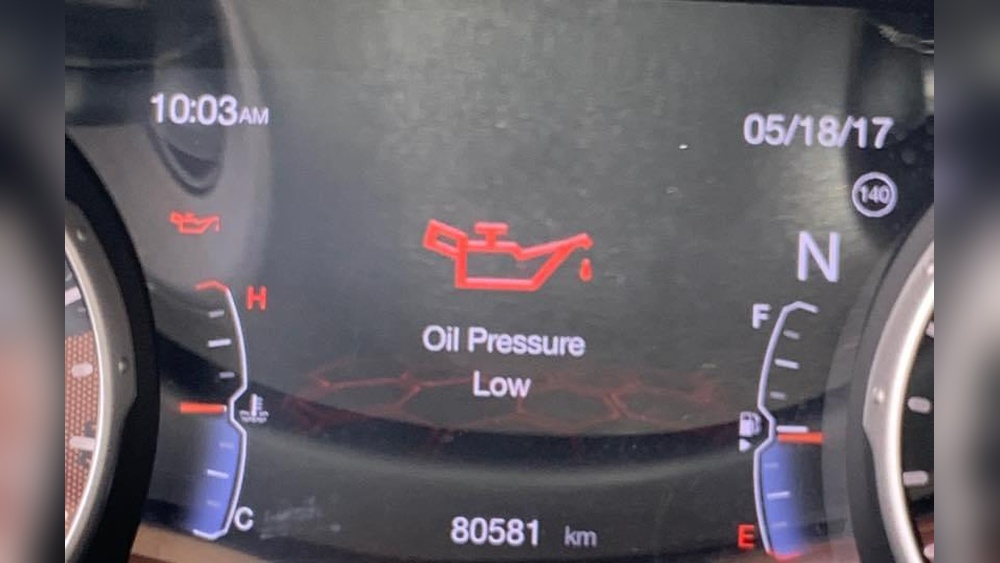
If you drive a Jeep Renegade, a “oil pressure low” warning can feel scary. You may wonder if your engine is about to fail, or if it’s safe to keep driving. Oil pressure is vital for any car, but Jeep Renegade owners often see this warning, especially as the vehicle ages or after rough driving.
Understanding why oil pressure drops, what it means, and how to fix it is key to keeping your Renegade running smooth and safe. In this guide, you’ll find practical advice and clear explanations to help you solve oil pressure problems — whether you’re new to cars or have some experience.
What Does “oil Pressure Low” Mean?
When your Jeep Renegade shows a oil pressure low warning, it’s telling you there isn’t enough force pushing oil through the engine. Oil lubricates moving parts, keeps the engine cool, and helps prevent damage. Low oil pressure means the oil isn’t reaching parts as it should, which can cause engine wear, overheating, or even complete engine failure if ignored.
Most Renegades display this warning on the dashboard, often with a red oil can icon. Sometimes the engine may also sound different, like ticking or knocking noises. While the warning itself doesn’t tell you the exact cause, it signals a serious issue needing fast attention.
Why Oil Pressure Drops In Jeep Renegade
Many things can cause low oil pressure. Here are the most common reasons:
- Low oil level – If there isn’t enough oil in the engine, pressure drops.
- Dirty or old oil – Oil becomes thick and loses flow after too many miles.
- Faulty oil pump – The pump pushes oil through the engine. If it fails, pressure drops.
- Blocked oil filter – A clogged filter restricts oil flow.
- Oil leaks – Leaks can empty the oil reservoir quickly.
- Worn engine bearings – As bearings wear out, oil escapes easier, lowering pressure.
- Faulty oil pressure sensor – The sensor itself can break, giving a false warning.
Some causes are easy to fix, like adding oil. Others, like bearing wear, need professional help. The Renegade’s design and turbo engine can make oil pressure issues more likely, especially in older models or cars with high mileage.
Symptoms Of Low Oil Pressure
Besides the dashboard warning, your Jeep Renegade may show other signs:
- Engine noise – Ticking or knocking sounds.
- Engine overheating – Temperature gauge rising higher than normal.
- Burning smell – Oil leaking onto hot engine parts.
- Loss of power – Engine feels weak or sluggish.
- Oil light flickers – Light turns on and off, especially when turning or accelerating.
It’s important not to ignore these signs. Even a small oil pressure problem can lead to expensive repairs if left unchecked.
Immediate Steps When You See The Warning
If you see “oil pressure low” on your dashboard, take action right away:
- Pull over safely – Stop the car as soon as you can.
- Turn off the engine – Running the engine with low oil pressure can damage it.
- Check oil level – After the engine cools, open the hood and use the dipstick.
- Look for leaks – Check under the car and around the engine for oil.
- Restart cautiously – If oil level is fine and there are no leaks, you can restart. If the warning stays, call for help.
Never drive far with low oil pressure. You risk serious engine damage.

How To Check Oil Pressure
Jeep Renegade owners can check oil pressure with basic tools:
- Read dashboard warning – The Renegade’s computer measures oil pressure.
- Use a manual gauge – Mechanics use a gauge that attaches to the engine. This gives a more accurate reading.
- Check oil level – The dipstick tells you if there’s enough oil.
- Inspect oil color and texture – Healthy oil is clear and smooth. Dirty oil is dark and gritty.
If you want to check oil pressure yourself, here’s a simple process:
- Make sure the engine is cool.
- Open the hood and find the oil dipstick.
- Pull out the dipstick, wipe it clean, then dip it back in.
- Pull it out again and check the oil level and color.
If the oil is low, add more. If it’s dirty, change it. If the warning stays, you may need a mechanic.
Common Causes Explained
Let’s look deeper into the main reasons for low oil pressure in the Renegade.
Low Oil Level
This is the simplest cause. If the engine doesn’t have enough oil, it can’t build pressure. Jeep Renegade engines need about 4.5 quarts (4.2 liters) of oil. Sometimes oil burns off, especially in older engines, or leaks out.
Dirty Oil
Oil breaks down with heat and use. After about 5,000–7,500 miles, oil can become too thick or dirty to flow well. Jeep recommends changing oil every 5,000 miles for regular driving, or sooner for hard use.
Faulty Oil Pump
The oil pump is the heart of the lubrication system. If it fails, the engine will not get enough oil, even if the level is correct. Pumps can fail due to age, contamination, or manufacturing defects. This repair is more serious and usually needs a shop.
Blocked Oil Filter
The oil filter catches dirt and debris. If it gets clogged, oil cannot move freely, and pressure drops. Renegade filters are easy to change, but should be replaced with every oil change.
Oil Leaks
Leaks can happen from worn gaskets, seals, or the oil pan. Sometimes, Jeep Renegades develop leaks around the turbocharger or oil lines. Even small leaks can cause big problems over time.
Worn Engine Bearings
Bearings support moving parts inside the engine. As they wear, oil escapes more easily, lowering pressure. This is a sign of an older engine or one that has seen harsh driving. Repairs are expensive, as fixing bearings means opening the engine.
Faulty Oil Pressure Sensor
Sometimes the warning is caused by a bad sensor, not a real oil problem. The sensor can fail due to heat, vibration, or electrical issues. Replacing the sensor is a common fix and costs less than most engine repairs.
Data: Oil Pressure Range For Jeep Renegade
Normal oil pressure depends on engine speed and temperature. Here’s a look at typical values:
| Engine RPM | Normal Oil Pressure (psi) | Warning Level (psi) |
|---|---|---|
| Idle (700 rpm) | 15–25 | Below 10 |
| 2,000 rpm | 35–60 | Below 20 |
| Highway (3,500 rpm) | 60–75 | Below 30 |
If your oil pressure drops below these ranges, the warning light will usually turn on.
Jeep Renegade Model Years And Oil Pressure Issues
Some Renegade models are more likely to have oil pressure problems. Here’s a comparison:
| Model Year | Common Oil Pressure Issues | Reported Frequency |
|---|---|---|
| 2015–2017 | Sensor faults, oil leaks | High |
| 2018–2020 | Dirty oil, filter clogs | Medium |
| 2026–2026 | Rare, mostly sensor errors | Low |
Older Renegades (2015–2017) are more likely to show oil pressure warnings due to sensor faults and leaks.
How To Fix Low Oil Pressure In Jeep Renegade
The solution depends on the cause. Here’s how to fix each main issue:
- Add oil – If the oil level is low, add the correct type. Jeep recommends 0W-20 synthetic.
- Change oil and filter – Old or dirty oil? Change both. Use a quality filter.
- Repair oil leaks – Find and fix leaks. This may need new gaskets, seals, or oil pan.
- Replace oil pump – If the pump is bad, a mechanic must replace it.
- Replace bearings – Worn bearings need a complete engine rebuild.
- Change oil pressure sensor – If the sensor is faulty, replace it.
Many fixes can be done at home if you have basic tools. For serious problems, like pump or bearing failures, it’s best to use a professional.
Diy Oil Change For Jeep Renegade
Changing oil yourself saves money and helps prevent low oil pressure. Here’s how:
Tools And Supplies
- 0W-20 synthetic oil (4.5 quarts)
- Oil filter (Renegade-specific)
- Wrench
- Oil catch pan
- Funnel
- Gloves
Steps
- Run the engine for 5 minutes (to warm oil).
- Turn off and let cool for 10 minutes.
- Open hood, remove oil cap.
- Place pan under engine, loosen drain plug.
- Allow oil to drain fully.
- Remove old filter, install new one.
- Tighten drain plug, add new oil.
- Check oil level with dipstick.
- Start engine, check for leaks.
This process takes about 30–45 minutes. Always dispose of old oil properly.
Preventing Oil Pressure Problems
Prevention is easier than repair. Here are ways to keep your Renegade’s oil pressure healthy:
- Check oil level monthly – Top up if needed.
- Change oil regularly – Every 5,000 miles or as Jeep recommends.
- Use quality oil and filters – Cheap products can cause clogs.
- Inspect for leaks – Look under the car after parking.
- Listen for engine noises – New sounds may signal trouble.
- Fix dashboard warnings quickly – Never ignore oil pressure warnings.
Jeep Renegade Oil Pressure Sensor Replacement
Replacing the oil pressure sensor is a common fix. Here’s a quick guide:
Steps
- Locate the sensor (usually near the oil filter).
- Disconnect the battery.
- Unplug the sensor wiring.
- Use a wrench to remove the sensor.
- Install new sensor, reconnect wiring.
- Reconnect battery.
- Start engine, check if warning is gone.
Sensors cost $30–$60 and can be replaced in under an hour.

Oil Types Recommended For Jeep Renegade
Jeep recommends 0W-20 synthetic oil for most Renegade engines. Using the wrong oil can cause pressure problems. Here’s a comparison:
| Oil Type | Viscosity | Recommended Use |
|---|---|---|
| 0W-20 | Very thin, flows easily | All climates |
| 5W-30 | Thicker, more protection | Hot climates |
| 10W-40 | Thickest, slow flow | Older engines only |
Always use the oil your manual recommends.
Oil Pressure And Engine Longevity
Keeping oil pressure healthy extends your engine’s life. Low oil pressure, even for a short time, can cause:
- Increased friction – Parts wear out faster.
- Overheating – Engine runs hot, damaging seals and gaskets.
- Sludge buildup – Dirty oil leaves deposits.
- Complete engine failure – If ignored, the engine can seize.
Most Jeep Renegade engines last over 150,000 miles with proper oil care. Neglecting oil pressure can cut this life in half.
Costs For Oil Pressure Repairs
Here’s what you can expect for common repairs:
- Oil change – $40–$80 (DIY or shop)
- Sensor replacement – $80–$150 (parts and labor)
- Oil pump replacement – $400–$800 (labor is most of the cost)
- Engine bearing repair – $1,500–$3,000 (full rebuild)
Most repairs are affordable if caught early. Waiting can turn small issues into big bills.
Real Owner Stories
Jeep Renegade owners often share oil pressure problems online. For example:
- Mary from Ohio saw the warning after a long road trip. She checked the oil, found it low, added more, and the warning disappeared.
- Carlos from Texas ignored the warning. Two weeks later, his engine seized, costing $2,500 to fix.
- Lena from California had a sensor fail. The dealership replaced it for $100, and her Renegade ran fine.
These stories show why quick action is important.
When To Get Professional Help
Some oil pressure problems are easy to fix, but others need expert attention:
- The warning stays after adding oil.
- You hear loud engine knocks.
- Oil leaks are visible but hard to reach.
- The engine overheats.
- You aren’t comfortable fixing it yourself.
Jeep dealerships and trusted mechanics have tools to diagnose and repair oil pressure issues. They can check sensors, pumps, and bearings more deeply.
Oil Pressure And Warranty
If your Renegade is under warranty, oil pressure repairs may be covered. Always check your warranty documents. Some warranties require you to use Jeep-approved oil and service shops. If you fix it yourself, keep all receipts and records.
Oil Pressure Warning And Resale Value
A history of oil pressure problems can lower the resale value of your Jeep Renegade. Buyers worry about engine damage. To protect your value:
- Fix problems right away.
- Keep service records.
- Use recommended oil and parts.
- Get a mechanic’s report before selling.
A well-maintained Renegade sells for more and attracts more buyers.
Jeep Renegade Oil Pressure: Advanced Tips
Here are two insights many beginners miss:
- Short trips harm oil pressure – Driving short distances prevents oil from heating fully, causing moisture and sludge buildup. Try to drive your Renegade for at least 20 minutes each week.
- Turbo engines need extra care – Renegade turbo models run hotter and need more frequent oil checks. Use only high-quality synthetic oil.
These tips help prevent hidden problems that aren’t obvious at first.
Frequently Asked Questions
Why Does My Jeep Renegade Keep Showing Low Oil Pressure?
Many causes exist: low oil, dirty oil, leaks, sensor faults, or engine wear. Start by checking oil level and quality. If those are fine, the sensor may need replacing.
Can I Drive With The Oil Pressure Warning On?
No. Driving with low oil pressure can damage the engine. Stop, check oil, and fix the issue before driving further.
How Often Should I Change Oil In My Renegade?
Change oil every 5,000 miles for regular use. If you drive hard or in tough conditions, change it more often.
What Oil Type Is Best For My Jeep Renegade?
Jeep recommends 0W-20 synthetic oil for most engines. Always check your owner’s manual for details.
Is The Oil Pressure Sensor Expensive To Replace?
No, it’s affordable. Parts cost $30–$60, and labor is about 30–60 minutes. Most mechanics can do it quickly.
Taking care of your Jeep Renegade’s oil pressure isn’t hard, but it demands attention and quick action. A healthy oil system means a longer-lasting, safer, and more valuable car. If you’re unsure about anything, always ask a mechanic or check trusted sources like Consumer Reports. With smart care, your Renegade will give you many miles of trouble-free driving.