When your Jeep Wrangler suddenly dies while driving but then restarts, it feels confusing and risky. You might worry about safety, reliability, and what’s causing the problem. Many drivers face this issue, but few understand why it happens or what to do next. This guide explains the main causes, how to diagnose them, and how to fix or prevent the problem. With clear language, practical advice, and real data, you’ll feel confident handling this situation—whether you’re on the road or planning your next trip.
Common Symptoms When Jeep Wrangler Dies While Driving
Before you fix the issue, it helps to notice the warning signs. Some symptoms appear minutes or seconds before the engine stops. Others show up only after it dies and restarts.
- Engine cuts off suddenly: You’re driving, and everything seems fine, then the engine stops without warning.
- Warning lights: The Check Engine or Battery light may flash right before the engine dies.
- Loss of power steering or brakes: When the engine dies, you might feel the steering gets heavy, or brakes become less effective.
- Starts again quickly: Often, after stopping, the engine restarts easily. Sometimes, you only need to turn the key or push the start button.
- Stalling at idle or low speed: The engine might die when you slow down or stop at a light, then restart without issues.
- No strange noises: Usually, there’s no loud bang or grinding sound—just sudden silence.
These symptoms help you narrow down the cause and decide what to check first.
Main Causes Of Jeep Wrangler Stalling And Restarting
Many factors can make a Jeep Wrangler stall and then restart. Some are simple, others need more advanced diagnosis. Here are the most common reasons:
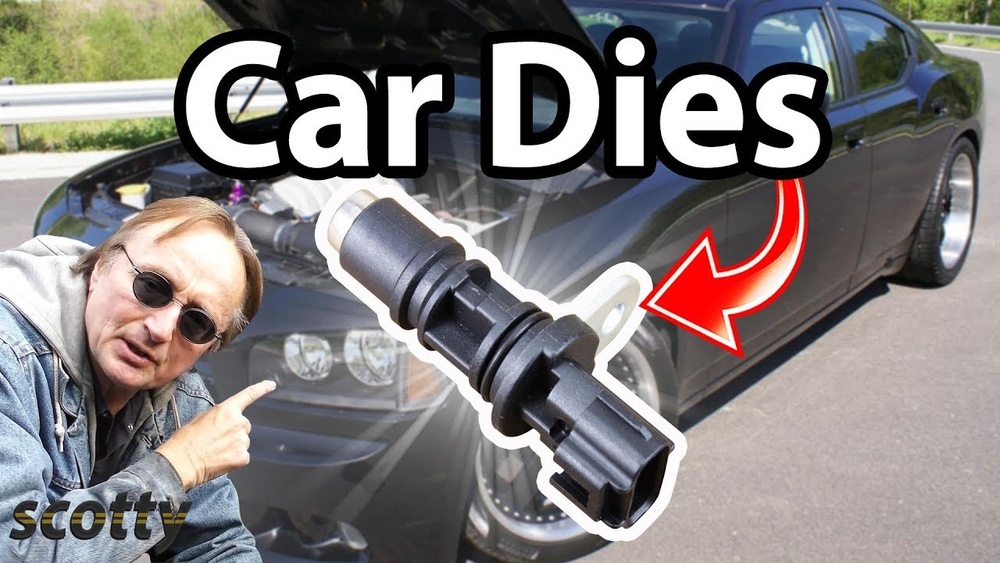
1. Faulty Crankshaft Position Sensor
This sensor tells the engine computer when to fire the spark plugs. If it fails, the engine loses timing and stalls. Most Wranglers from 1997–2017 report this issue. After cooling, the sensor works again, letting the engine restart.
2. Bad Fuel Pump Or Relay
The fuel pump delivers gasoline to the engine. If it’s weak or the relay fails, fuel stops flowing, and the engine dies. After a short pause, the relay cools and works again.
3. Loose Or Corroded Battery Connections
A bad battery terminal or cable can cut power suddenly. The engine stops, then restarts when the connection is restored.
4. Faulty Ignition Switch
The ignition switch sends power to the engine and electronics. If it’s worn, it may lose contact while driving. Turning the key or restarting fixes it temporarily.
5. Wiring Harness Issues
Wranglers often suffer from wiring problems, especially after off-road use. A loose wire or broken connector can trigger sudden stalls.
6. Failing Engine Control Module (ecm)
The ECM (engine computer) controls fuel, spark, and other key functions. If it malfunctions, the engine stalls and may restart after a reset.
7. Dirty Or Faulty Throttle Body
The throttle body controls airflow. If it’s dirty or the sensor fails, the engine may stall at idle or low speed, then restart easily.
8. Overheating
Some Wranglers stall due to overheating. When the engine cools, it restarts. This is often linked to coolant leaks or a faulty thermostat.
9. Faulty Camshaft Position Sensor
Similar to the crankshaft sensor, this device helps the ECM manage timing. A bad cam sensor can cause random stalls and restarts.
10. Low Fuel Pressure
Clogged fuel filters or lines can reduce pressure, causing stalls. After waiting, fuel flow may resume, letting the engine restart.
Unusual Insights
- Aftermarket mods: Many owners install lights, winches, or stereos. Poor installation can cause wiring issues and sudden stalls.
- Heat-soak problems: Some sensors fail only when hot, then recover after cooling. This is common with crankshaft or camshaft sensors.
Diagnosing The Problem: Step-by-step Guide
Finding the real cause means following a logical process. Here’s how to check your Jeep Wrangler step by step.
Visual Inspection
Start with simple checks. Look for loose wires, battery terminals, or connectors. Check for signs of wear near the engine, fuse box, and under the hood.
Scan For Error Codes
Use an OBD-II scanner to read codes from the ECM. Most auto parts stores offer free scanning. Codes like P0320 (crankshaft sensor) or P0340 (camshaft sensor) point to common issues.
Test Battery And Charging System
Check the battery voltage (should be around 12. 6V when off, 13. 7–14. 7V when running). Clean terminals and look for corrosion. Test the alternator output.
Check Fuel Pressure
Use a fuel pressure gauge to test at the rail. Typical pressure for Jeep Wranglers is 50–60 psi. Low readings mean pump or filter issues.
Inspect Sensors
If error codes suggest a sensor, check the crankshaft and camshaft sensors for dirt or damage. Many sensors fail only when hot, so try testing after driving.
Look For Heat-related Issues
If the engine stalls after driving for a while, suspect heat-soak. Use a heat gun to test sensors, or let the engine cool and see if it restarts.
Test Ignition Switch
Wiggle the key while driving (carefully). If the engine dies, the switch is likely faulty. Check for play or loose contacts.
Examine Throttle Body
Remove and inspect the throttle body for carbon buildup. Clean with throttle body cleaner, and check sensors for proper function.
Inspect Wiring Harness
Look for frayed wires, loose connectors, or signs of rubbing against metal. Pay special attention to areas near the battery, sensors, and firewall.
Ecm And Relays
Check for signs of water damage, corrosion, or loose connectors at the ECM and main relays. Swap relays if you have spares.
Data Comparison: Jeep Wrangler Stalling Causes By Model Year
To help you pinpoint the problem, here’s a comparison of common causes for Jeep Wrangler stalls across different model years.
| Model Year | Most Common Cause | Typical Fix Cost | Difficulty |
|---|---|---|---|
| 1997–2006 (TJ) | Crankshaft Sensor | $80–$200 | Moderate |
| 2007–2017 (JK) | Fuel Pump/Relay | $250–$500 | Hard |
| 2018–2026 (JL) | Wiring Harness | $100–$400 | Moderate |
| All Years | Battery/Connections | $50–$150 | Easy |
Fixing The Problem: Repair Options And Tips
Once you find the cause, you have several options. Some repairs are simple, others need expert help.
Diy Repairs
If you have basic tools and skills, you can fix some issues yourself:
- Replace the crankshaft or camshaft sensor: Unbolt the sensor, swap it, and clear codes.
- Clean battery terminals: Use a wire brush and baking soda solution.
- Clean throttle body: Remove, spray with cleaner, and reinstall.
- Check and replace relays: Swap with a spare or buy a new one.
Professional Repairs
Some problems need a mechanic:
- Replace fuel pump: This is often inside the gas tank and needs special tools.
- Repair wiring harness: Mechanics trace wires, check connections, and repair damaged sections.
- ECM replacement: Only trained technicians should swap or reprogram engine computers.
Practical Tips
- Always use OEM (original) parts. Cheap sensors often fail quickly.
- Keep a spare relay and crankshaft sensor in your glove box.
- If you install aftermarket accessories, use proper wiring and fuses.
- Test repairs before driving long distances.
Comparing Fix Effectiveness And Cost
Here’s a quick comparison of common fixes for stalling Jeep Wranglers.
| Repair | Success Rate | Average Cost | Time Needed |
|---|---|---|---|
| Crankshaft Sensor Replacement | 85% | $120 | 1 hour |
| Fuel Pump Replacement | 75% | $350 | 3 hours |
| Battery Terminal Cleaning | 60% | $10 | 20 min |
| Throttle Body Cleaning | 40% | $25 | 30 min |
| ECM Replacement | 95% | $600 | 2 hours |

How To Prevent Your Jeep Wrangler From Stalling
Prevention is better than repair. Here’s how to keep your Jeep Wrangler running smoothly.
Regular Maintenance
- Change oil, air filter, and fuel filter as recommended.
- Inspect sensors and wiring every 12 months.
- Keep battery terminals clean and tight.
Quality Parts
Always buy quality parts from trusted brands. Cheap sensors or relays often fail early.
Avoid Overheating
Monitor coolant levels and temperature gauge. Replace thermostat every 60,000 miles. Check for leaks.
Smart Driving Habits
Avoid high RPMs for long periods. Don’t idle for hours. Let the engine cool after off-road trips.
Aftermarket Accessory Safety
Install lights, winches, and stereos with proper wiring and fuses. Don’t overload circuits.
Quick Tips
- Carry a spare sensor and relay if you drive off-road.
- Check error codes often, even if the engine feels fine.
- Don’t ignore warning lights; fix problems early.
Real-world Example: Jeep Wrangler Owner Stories
Case 1: John’s 2013 JK stalled at highway speeds but restarted after a minute. The error code was P0320. Replacing the crankshaft sensor fixed the issue for $140.
Case 2: Maria’s 2005 TJ died at stoplights, but always restarted. Battery terminals were loose. Cleaning and tightening them solved the problem.
Case 3: Alex’s 2019 JL stalled after installing extra lights. The mechanic found a short in the wiring harness. Repair cost $320.
These stories show that diagnosis and repair can be quick if you follow a logical process.
Jeep Wrangler Stalling: Safety And Reliability Risks
When your Jeep stalls while driving, you face real risks:
- Loss of control: Steering and brakes may be harder to use.
- Traffic danger: Stalling in busy roads or highways increases accident risk.
- Off-road hazards: Losing power in rough terrain can leave you stranded.
To stay safe:
- Move to the side of the road quickly if you stall.
- Use hazard lights and call for help if needed.
- Avoid driving until you fix the problem.
Advanced Diagnosis: What Experts Check
If basic checks don’t help, experts use advanced tools:
Oscilloscope Testing
Technicians use oscilloscopes to test sensor signals. This finds intermittent faults that don’t show up on scanners.
Fuel System Pressure Test
Professionals test fuel pressure while driving, not just at idle. Low pressure during acceleration points to pump issues.
Ecm Scan And Update
Dealers update ECM software to fix bugs that cause random stalling.
Wiring Trace
Mechanics trace wires with special tools to find hidden shorts or breaks.
Heat-soak Analysis
Experts use thermal cameras to check sensors and electronics for heat-related failures.
Jeep Wrangler Stalling Vs. Other Suvs: Data Table
How does the Wrangler compare to other SUVs for stalling issues?
| Vehicle | Stalling Frequency | Most Common Cause | Repair Cost |
|---|---|---|---|
| Jeep Wrangler | High | Crankshaft Sensor | $120 |
| Ford Explorer | Medium | Ignition Coil | $180 |
| Toyota 4Runner | Low | Fuel Filter | $75 |
| Chevy Tahoe | Medium | ECM | $650 |
When To Sell Or Upgrade Your Jeep Wrangler
If your Wrangler stalls often and repairs cost more than its value, consider these options:
- Sell: If repairs cost over $2,000 and the vehicle is old, selling may be smarter.
- Upgrade sensors and electronics: Newer sensors and ECMs can reduce stalling.
- Trade-in: Dealers may offer better deals if you disclose the issue.

Useful Resources For Jeep Owners
For more info, forums and official Jeep sites help you stay updated. One reliable source is the Jeep Official Website, which covers recalls, updates, and maintenance guides.
Frequently Asked Questions
Why Does My Jeep Wrangler Die While Driving But Restart?
Usually, this is caused by a faulty sensor, bad fuel pump, loose battery connection, or wiring issue. Some sensors fail only when hot, then work again after cooling.
Is It Safe To Drive My Wrangler If It Stalls And Restarts?
It’s risky. You may lose steering or brakes, and face danger in traffic or off-road. Fix the problem before regular driving.
How Much Does It Cost To Fix A Stalling Jeep Wrangler?
Costs range from $10 (battery cleaning) to $600 (ECM replacement). Most common repairs cost $80–$350.
Can I Fix The Stalling Problem Myself?
Yes, for simple repairs like sensor replacement, battery cleaning, or throttle body cleaning. Complex issues like fuel pump or ECM need professional help.
Are Stalling Problems Covered By Jeep Warranty?
If your Jeep is under warranty and the issue is caused by a covered part (sensor, ECM, fuel pump), repairs are usually free. Check with your dealer for details.
Jeep Wrangler stalling is common but often fixable. With smart diagnosis and careful repair, you can restore reliability and enjoy safe adventures again.
