If you sit in your Jeep, press the brake, and nothing happens—just a hard pedal and a silent engine—it’s easy to worry. This problem is common, but it’s confusing for many drivers. You expect your car to start, and the brake pedal to feel normal. When neither works, you’re left wondering: is it a mechanical issue, an electrical problem, or something else?
A stiff brake pedal and a Jeep that won’t start are often connected. Understanding why this happens will help you fix it faster and avoid making mistakes that could cost you money or time. Let’s break down what causes this issue, how to diagnose it, and what you can do to solve it. Whether you drive a Jeep Grand Cherokee, Wrangler, or another model, these tips apply to most modern Jeeps.
What Happens When The Brake Pedal Is Stiff And The Jeep Won’t Start
When you press the brake pedal and it feels hard or stiff, but the engine does not start, it’s usually because of a problem with the brake booster, the starting system, or both. Most modern Jeeps have a push-button start system. For safety, the car requires you to press the brake pedal before starting. If the system doesn’t detect the pedal press, or if the pedal is physically hard, the Jeep won’t start.
This is not just an inconvenience; it’s a sign something is wrong. It can be caused by simple mistakes, but sometimes it’s a warning about a bigger issue. Understanding the connection between the brake pedal and starting system is key.
Common Causes Of A Stiff Brake Pedal And Non-starting Jeep
There are several reasons this problem can happen. Let’s look at the most common causes:
1. Dead Battery
A weak or dead battery is a top reason for this issue. The brake booster and starting system rely on electrical power. If the battery is low, the brake pedal can feel stiff because the vacuum pump doesn’t work, and the push-button start won’t activate.
2. Faulty Brake Booster
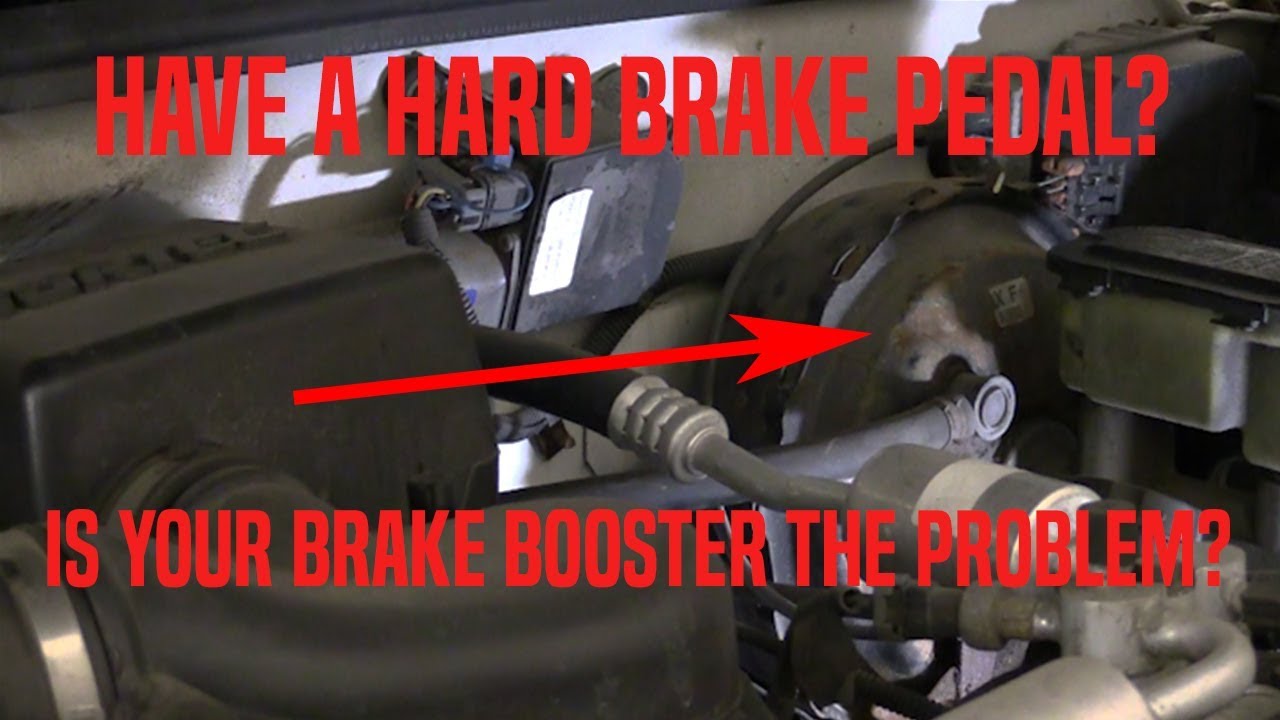
The brake booster uses vacuum pressure to make the pedal soft and easy to press. If it fails, the pedal gets hard. In Jeeps, the booster is often powered by the engine or an electric pump. If the system loses vacuum or the pump doesn’t work, the pedal feels stiff.
3. Brake Switch Problem
The brake pedal switch sends a signal to the car’s computer when you press the pedal. If this switch fails, the car doesn’t know you’re pressing the brake, so it won’t let you start the engine.
4. Electrical Issues
Problems with wiring, fuses, or connectors can stop the brake and starting systems from working. Sometimes, water damage or corrosion causes these issues.
5. Vacuum Leak
If there’s a leak in the vacuum lines, the brake booster can’t build enough pressure. This makes the pedal hard and affects the start sequence.
6. Push-button Start Malfunction
The push-button start system relies on sensors, the brake switch, and the battery. If any part fails, the car won’t start.
7. Frozen Or Stuck Brake Pedal
In rare cases, cold weather or mechanical faults make the pedal physically stuck or frozen. This is more common in icy climates.
8. Key Fob Battery Low
If your Jeep uses a key fob, a weak fob battery can stop the car from detecting the brake press, preventing the engine from starting.
9. Starter Motor Failure
If the starter motor is faulty, the engine won’t turn over. Sometimes, this also causes electrical symptoms that affect the brake pedal feel.
10. Blown Fuse Or Relay
A blown fuse or relay in the starting or brake system can cause both a stiff pedal and a Jeep that won’t start.

How The Brake System And Starting System Work Together
Jeep’s safety features require the brake pedal to be pressed before starting. Here’s how the systems interact:
| System | Function | Impact When Failed |
|---|---|---|
| Brake Booster | Makes pedal easier to press | Pedal feels hard/stiff |
| Brake Switch | Detects brake press for start | Start button does not respond |
| Battery | Powers electronics | No start, stiff pedal |
| Push-Button Start | Activates starter when brake pressed | No engine crank |
If any part fails, the connection between the brake pedal and the starting system breaks. This is why both symptoms often appear together.
Diagnosing The Problem: Step-by-step Guide
Finding the cause can be simple if you follow a clear process. Here’s a practical way to diagnose the issue:
1. Check Battery Health
- Look for dim interior lights or no power at all.
- Try turning on the headlights. If they are weak or don’t work, the battery is likely dead.
- Test the battery voltage with a multimeter. A healthy battery should read 12.6 volts or higher.
2. Inspect The Brake Booster
- With the engine off, press the pedal several times. If it stays hard, the booster may be faulty.
- Listen for a hissing sound after pressing the pedal, which can mean a vacuum leak.
3. Test The Brake Pedal Switch
- Press the brake pedal and watch for brake lights. If they don’t come on, the switch may be bad.
- Try pushing the pedal harder. Sometimes, a slightly misaligned switch won’t activate unless pressed hard.
4. Look For Electrical Issues
- Inspect fuses related to the starting and brake systems.
- Check for loose or corroded wires under the dashboard and near the battery.
5. Examine The Key Fob
- Replace the battery in the key fob. Use the spare fob if available.
- Stand close to the vehicle and try starting again.
6. Check Starter Motor And Relays
- Listen for clicking sounds when you press the start button. If you hear nothing, the starter or relay may be faulty.
7. Inspect For Vacuum Leaks
- Look for broken or loose hoses near the brake booster.
- Smell for gasoline or other unusual odors which can indicate leaks.
8. Observe Weather Conditions
- If it’s very cold, the pedal could be frozen. Warm the car interior and try again.
Jeep Models Most Affected By This Issue
Some Jeep models are more likely to have this problem. Based on reports and service data, these models often show a stiff brake pedal and won’t start:
| Jeep Model | Common Issue | Year Range |
|---|---|---|
| Grand Cherokee | Brake booster vacuum loss | 2011–2026 |
| Wrangler | Brake switch failure | 2010–2026 |
| Cherokee | Battery drain, push-button issues | 2014–2026 |
| Compass | Electrical faults | 2017–2026 |
| Renegade | Key fob battery low | 2015–2026 |
If you own one of these models, pay extra attention to the steps above.
Solutions: How To Fix A Stiff Brake Pedal And A Jeep That Won’t Start
Solving the issue depends on the cause. Here’s what you can do:
Replace Or Charge The Battery
If the battery is dead or weak, replace it or use a charger. Always choose a battery with the correct specs for your Jeep. An underpowered battery can cause repeated issues.
Repair Or Replace The Brake Booster
If the booster fails, you may need to replace it. For vacuum leaks, repair the hose or connection. Some Jeeps have electric boosters; check the fuse and wiring before replacing expensive parts.
Fix The Brake Pedal Switch
If the switch is faulty, replace it. It’s usually a simple part near the pedal, costing $20–$50. Make sure it’s aligned correctly so the car detects your brake press.
Address Electrical Issues
Replace any blown fuses. Clean corroded terminals and tighten loose connections. Use dielectric grease to protect the wiring.
Repair Vacuum Leaks
Replace damaged hoses. Make sure all connections are tight. Use quality hoses for durability.
Key Fob Battery Replacement
Change the key fob battery. Use the spare fob if you have one. Sometimes, you can start the car by holding the fob close to the start button.
Starter Motor And Relay Fix
If the starter motor is bad, replace it. Check relays and replace as needed. Starter motors can cost $150–$500, depending on the model.
Warm Up A Frozen Pedal
If the pedal is frozen, heat the interior or use a de-icer. Avoid forcing the pedal, as this can cause damage.
Preventing Future Problems
Once you fix the issue, you’ll want to avoid it in the future. Here are practical tips:
- Regular Battery Checks: Test the battery every six months. Replace it every 3–5 years.
- Inspect Brake System: Have your mechanic check the brake booster and switch during routine service.
- Protect Electrical Parts: Avoid parking in wet or muddy areas. Water can cause corrosion.
- Replace Key Fob Battery Annually: Even if it works, change it once a year.
- Keep Vacuum Lines Clean: Ask your mechanic to inspect hoses for leaks or wear.
- Use Quality Parts: Cheap replacements can fail quickly. Always use genuine Jeep or high-quality aftermarket parts.
Real-life Example: A Jeep Grand Cherokee Owner’s Experience
John, a Jeep Grand Cherokee owner from Michigan, faced this issue last winter. He pressed the brake, felt a hard pedal, and the car wouldn’t start. After checking the battery, he found it was low—only 11. 8 volts. He replaced the battery, and the problem disappeared.
Three months later, the issue returned. This time, the brake pedal switch was faulty. John replaced the switch for $35, and his Jeep started normally.
This example shows how the problem can have more than one cause. Solving it often means checking each system step by step.
Costs: What You Might Spend
Fixing this problem can cost very little—or quite a lot—depending on the cause. Here’s a comparison:
| Repair Type | Estimated Cost | DIY Difficulty |
|---|---|---|
| Battery Replacement | $100–$250 | Easy |
| Brake Booster Replacement | $300–$800 | Hard |
| Brake Switch Replacement | $20–$50 | Easy |
| Starter Motor Replacement | $150–$500 | Medium |
| Vacuum Hose Repair | $10–$60 | Medium |
| Key Fob Battery | $5–$15 | Easy |
Many repairs are easy to do yourself, especially battery and brake switch replacements. Brake booster and starter motor repairs are best done by a mechanic.
Extra Insights Most Beginners Miss
- Check for Multiple Issues: It’s common for more than one problem to happen at the same time. For example, a weak battery and a bad brake switch can both cause the symptoms.
- Don’t Ignore Warning Lights: The dashboard may show lights for ABS, brake, or battery. These are clues. Read them carefully.
- Push-Button Start Can Mask Problems: With push-button systems, some issues don’t show up until you try to start the car. Always check for silent or hidden electrical faults.
When To Call A Mechanic
If you’ve tried the steps above and still can’t start your Jeep, it’s time to call a professional. Mechanics have diagnostic tools that can quickly find electrical or mechanical faults. If your Jeep is under warranty, repairs may be free.
Don’t force the brake pedal or try to jump-start the car repeatedly. This can cause more damage. Instead, explain the symptoms clearly to your mechanic. Mention the stiff pedal and the non-starting engine. This helps them find the problem faster.
Frequently Asked Questions
Why Does My Jeep Brake Pedal Feel Hard When I Try To Start The Car?
A hard brake pedal usually means there is a problem with the brake booster or a lack of vacuum pressure. It can also happen if the battery is dead, because electric brake boosters need power.
Can I Drive My Jeep If The Brake Pedal Is Stiff But The Engine Starts?
It’s not safe. A stiff pedal means braking power is reduced. Driving like this can be dangerous, especially in emergencies. Fix the brake system before driving.
How Do I Know If My Brake Pedal Switch Is Faulty?
If the brake lights don’t turn on when you press the pedal, or the push-button start doesn’t respond, the switch could be bad. Sometimes, the switch is misaligned or disconnected.
Is A Dead Battery The Most Common Cause Of This Issue?
Yes, in most cases, a dead or weak battery causes both the stiff brake pedal and the Jeep not starting. Modern Jeeps rely on battery power for many systems.
Can Weather Affect My Brake Pedal And Starting System?
Cold weather can freeze the brake pedal or cause battery power to drop. Moisture can also lead to electrical problems or corrosion.
If your Jeep won’t start and the brake pedal is stiff, stay calm. Check the battery, brake booster, and brake switch first. Most problems can be fixed quickly and safely. Don’t hesitate to ask for help from a mechanic if you’re unsure. For more detailed Jeep repair information, visit Jeep Official Site. Taking smart steps saves time and keeps your Jeep running strong.
