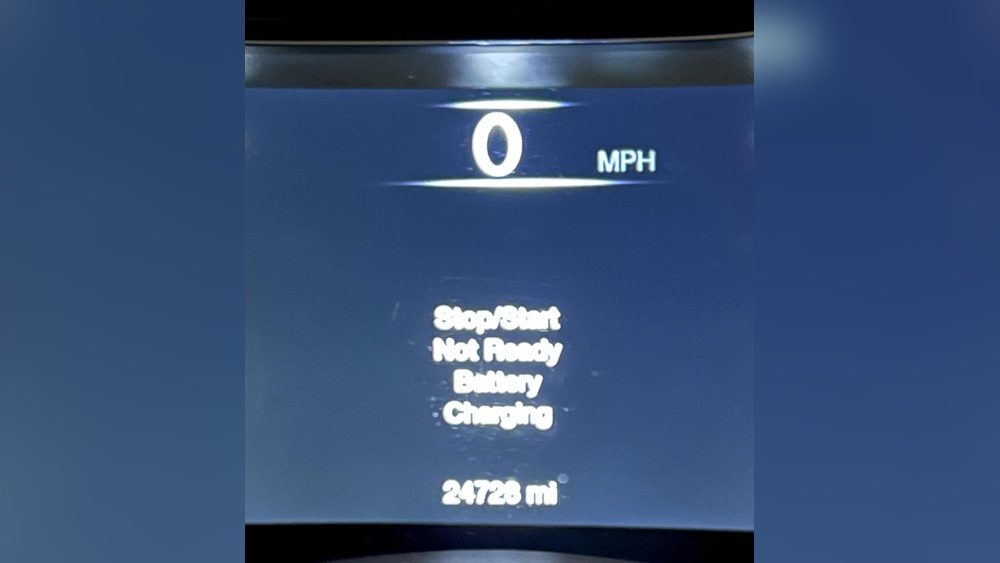
When you start your car, you expect everything to work smoothly. But sometimes, you might see a message like “Start Stop Not Ready Battery Charging” on your dashboard. This warning can be confusing, especially if you don’t know what it means. If you rely on your car every day, this message can even be worrying. What does it mean? Is your battery about to die? Is it safe to keep driving? This article will answer these questions in simple terms. You’ll learn what causes this warning, how the start-stop system works, and what you should do next.
Let’s break down this topic so you feel confident handling it if it ever happens to you.
Understanding Start-stop Systems
Modern cars use more technology than ever before. One feature you might have noticed is the start-stop system. This system automatically shuts off the engine when you stop at a light and restarts it when you press the gas pedal. The idea is to save fuel and reduce pollution.
But how does this system know when to turn off and on? It relies on several signals from your car’s battery, sensors, and computer. The battery must have enough charge to restart the engine quickly. If the battery is weak or not charging properly, the system will not work.
Why Automakers Use Start-stop
Car companies want to make cars that use less fuel and create less pollution. The start-stop system helps with both. When the engine shuts off at a stop, you use zero gas and create zero emissions. Over time, this can save a lot of fuel—especially in city driving.
Some studies show that start-stop systems can improve fuel economy by 3-10% in heavy traffic. That might not sound like much, but for someone who drives a lot, it can add up to real savings.
What Does “not Ready” Mean?
The message “Start Stop Not Ready” means your car’s system has decided not to use the start-stop feature for now. It’s a warning, not an emergency. Usually, this happens because the system detects something isn’t right—often with the battery or charging system.
When the battery is low, or if the car is charging the battery, the system will not shut off the engine. This is to make sure your car always has enough power to start again.
Main Causes Of The Warning
You might wonder: why is my car showing “Start Stop Not Ready Battery Charging”? There are several possible causes. Let’s look at the most common ones.
- Weak or Old Battery: The start-stop system needs a strong battery. If your battery is old or weak, it may not hold enough charge. The system will turn off to avoid getting stuck.
- Battery Charging: When the car’s alternator is working hard to recharge the battery, the system waits. This usually happens after a cold start or after the battery has been drained.
- Low Temperatures: In cold weather, batteries don’t work as well. The system may decide not to use start-stop until the battery is warmer.
- High Power Use: If you are using a lot of electrical features (like A/C, heated seats, or headlights), the system may turn off to make sure everything keeps working.
- Sensor Faults: Sometimes, the sensors that check battery health or other parts might not work properly. This can cause a false warning.
- Short Trips: If you often drive short distances, the battery may not have enough time to recharge fully. The system may not activate.
Less Obvious Triggers
Some triggers are not obvious to most drivers:
- Aftermarket Electronics: Installing new radios or other devices can confuse the battery sensor.
- Frequent Engine Restarts: In heavy traffic, repeated stop-start cycles can drain the battery faster than it charges.
Understanding these details helps you see that the warning is usually a sign your car is protecting itself.

How The Charging System Works
To know why your car gives this warning, you need to understand the basics of the charging system.
When your engine runs, the alternator creates electricity to power the car and recharge the battery. If the alternator or battery cannot keep up, you’ll see warnings.
Main Parts Of The Charging System
- Battery: Stores power to start the car and run electronics when the engine is off.
- Alternator: Generates electricity when the engine is running.
- Voltage Regulator: Controls how much electricity goes to the battery.
- Cables and Sensors: Carry electricity and signal battery health.
If any part of this system fails, your battery may not charge correctly. That’s when you get warnings like “Battery Charging” or “Start Stop Not Ready”.
Common Problems In The Charging System
- Loose or Corroded Cables: Poor connections can stop electricity from flowing.
- Bad Alternator: If the alternator fails, the battery cannot recharge.
- Faulty Sensors: Sensors can misread battery health and trigger warnings.
What To Do When You See The Warning
If you see “Start Stop Not Ready Battery Charging” on your dashboard, don’t panic. Most of the time, you can keep driving. But you should pay attention and take some steps.
- Turn Off Unneeded Electronics: Reduce the load on your battery. Turn off heated seats, rear window defrost, or phone chargers.
- Drive for Longer: Short trips may not let the battery recharge fully. Try to drive for at least 20-30 minutes.
- Check Battery Age: Most car batteries last 3-5 years. If yours is older, consider replacing it.
- Get a Battery Test: Many auto shops will test your battery for free. This can tell you if it’s getting weak.
- Check for Loose Cables: Sometimes, all you need is to tighten a loose cable.
- Check for Recent Electrical Work: If you just added a new device, make sure it’s installed correctly.
When To See A Mechanic
If the warning stays on for many days, or if you notice other problems (like slow engine cranking, dim lights, or other dashboard warnings), visit a mechanic. Persistent charging problems can leave you stranded.
Comparing Battery Types For Start-stop Systems
Not all car batteries are the same. Cars with start-stop systems often use AGM (Absorbent Glass Mat) or EFB (Enhanced Flooded Battery) types. These are stronger and recharge faster than regular batteries.
Here’s a comparison of common battery types:
| Battery Type | Used in Start-Stop? | Expected Life (Years) | Cost (USD) |
|---|---|---|---|
| AGM | Yes | 4-6 | 150-300 |
| EFB | Yes | 3-5 | 120-250 |
| Lead-Acid (Standard) | No | 2-4 | 80-150 |
Using the wrong battery type can cause the start-stop system to fail or wear out your battery quickly.
How Climate Affects Start-stop And Charging
The weather outside can have a big impact on your car’s battery and charging system.
Cold Weather
Batteries lose power in the cold. A battery can lose 35% of its strength at 32°F (0°C) and up to 60% at 0°F (-18°C). Your start-stop system may not work in very cold weather because the battery can’t deliver enough energy.
Hot Weather
High heat can also damage your battery. Hot weather speeds up chemical reactions inside the battery, which can shorten its life. If you live in a hot area, check your battery more often.
The Role Of Smart Charging Systems
Many new cars have a smart charging system. This system monitors battery health and adjusts how much power goes to the battery. It can even delay charging to save fuel.
But sometimes, smart charging systems can misread the battery’s condition—especially if the battery was replaced without resetting the system. This can cause false warnings or make the start-stop system stop working.
Example: Bmw And Mercedes
Some brands, like BMW and Mercedes-Benz, require a battery registration or reset after changing the battery. If you skip this step, the smart charging system gets confused. This is a common reason for the “Start Stop Not Ready” warning after a battery change.
Signs Your Battery Needs Replacing
It’s not always easy to know when your battery is getting weak. Here are some signs to watch for:
- Engine cranks slowly when starting
- Dim headlights or interior lights
- Clicking sound when you turn the key
- Frequent jump-starts
- Dashboard warnings
Replacing the battery before it fails can save you time and stress.

Resetting The Start-stop System
If you have fixed the battery or charging problem, you may need to reset the start-stop system. Sometimes, the system resets itself after a few drives. In other cases, you may need to use a special diagnostic tool.
Steps To Reset (general Guide)
- Turn off the car and remove the key.
- Wait for 5-10 minutes to let the system power down.
- Restart the car and drive for 20-30 minutes.
If the warning stays on, see your mechanic. Some cars require a manual reset with a diagnostic scanner.
How To Extend Battery Life
Making your battery last longer isn’t hard, but most drivers don’t do these simple things:
- Drive Longer Trips: Short drives don’t give the battery enough time to recharge. Try to drive for at least 20 minutes at a time.
- Limit High Power Use When Stopped: Don’t use the radio, lights, or chargers when the engine is off.
- Keep Battery Terminals Clean: Dirty or corroded terminals can block power.
- Check Battery Health Regularly: Many shops offer free battery checks.
- Replace Battery with Correct Type: Always use a battery recommended for start-stop systems.
Many drivers forget that replacing a start-stop battery with a regular one can actually cause more problems.
Real-world Example: Driver Experiences
Let’s look at two drivers to see how this warning plays out in real life.
Case 1: Sarah’s City Car
Sarah drives a 2017 Ford Focus with a start-stop system. One cold morning, she sees “Start Stop Not Ready Battery Charging” after starting her car. She drives for 30 minutes, and the warning goes away. Her battery was just low from sitting overnight in the cold.
Case 2: Mike’s Family Suv
Mike drives a 2016 BMW X5. He replaced the battery himself but did not use the correct registration tool. The start-stop warning stayed on. After visiting a mechanic, they used a diagnostic tool to register the new battery, and the warning disappeared.
These examples show that sometimes the warning is temporary, but other times it needs a proper fix.
Comparing Start-stop Activation Factors
Different car brands use different rules for when the start-stop system works. Here’s how some factors compare:
| Factor | Effect on Start-Stop | Typical Activation Condition |
|---|---|---|
| Battery Charge Level | High | Above 75% |
| Outside Temperature | Medium | Between 40°F and 95°F |
| Cabin Temperature | Medium | Climate control off or stable |
| Seatbelt Fastened | Required | Must be fastened |
| Hood Closed | Required | Must be closed |
If any condition isn’t met, your car may show the “Not Ready” message.
Common Myths About Start-stop Systems
Many drivers believe myths that can lead to confusion or even mistakes.
- Myth: Start-stop damages the engine.
Reality: These systems are designed to protect the engine and starter. Special parts are used to handle frequent stops and starts.
- Myth: You can use any battery.
Reality: Start-stop cars need special batteries. Using the wrong type can damage the system.
- Myth: The warning means you can’t drive.
Reality: Most of the time, it’s just a caution. Your car is still safe to drive.
Knowing the facts helps you make better choices and avoid costly errors.
The Future Of Start-stop And Battery Technology
Start-stop systems are just the beginning. As cars become more advanced, batteries and charging systems will get even smarter.
Mild hybrid systems are already common in Europe and Asia. These use larger batteries and electric motors to save even more fuel. In the future, you may see fewer warnings as technology gets better at managing battery health.
If you want to learn more about start-stop technology and car batteries, visit the Wikipedia page on start-stop systems.
Frequently Asked Questions
Why Does My Car Show “start Stop Not Ready Battery Charging”?
This message appears when your car’s computer detects that the battery is not fully charged or another condition is not met. It’s a way to protect the battery and make sure your car will restart reliably.
Can I Keep Driving If I See This Warning?
Yes, you can usually keep driving. The warning means the start-stop system is off, but your car will still run. If other warnings appear or your car has trouble starting, see a mechanic soon.
How Do I Fix The “start Stop Not Ready” Message?
You can try driving longer, turning off high-power electronics, and checking your battery. If the warning stays, get the battery and charging system checked by a professional. Sometimes, you need to reset the system or register a new battery.
Does This Warning Mean My Battery Is Dying?
Not always. Sometimes it means your battery is low but not failing. However, if your battery is more than 3-5 years old or you see other problems, it might be time to replace it.
Can I Replace My Battery Myself In A Start-stop Car?
You can, but you should use the correct battery type (AGM or EFB) and follow your car’s instructions. Some cars require a reset or registration after changing the battery. If you’re unsure, have a professional do it.
A start-stop warning can be annoying, but it’s there to keep you safe. By understanding the system, you can avoid surprises and keep your car running smoothly. Stay alert to changes in your dashboard, care for your battery, and your car will take care of you for years to come.