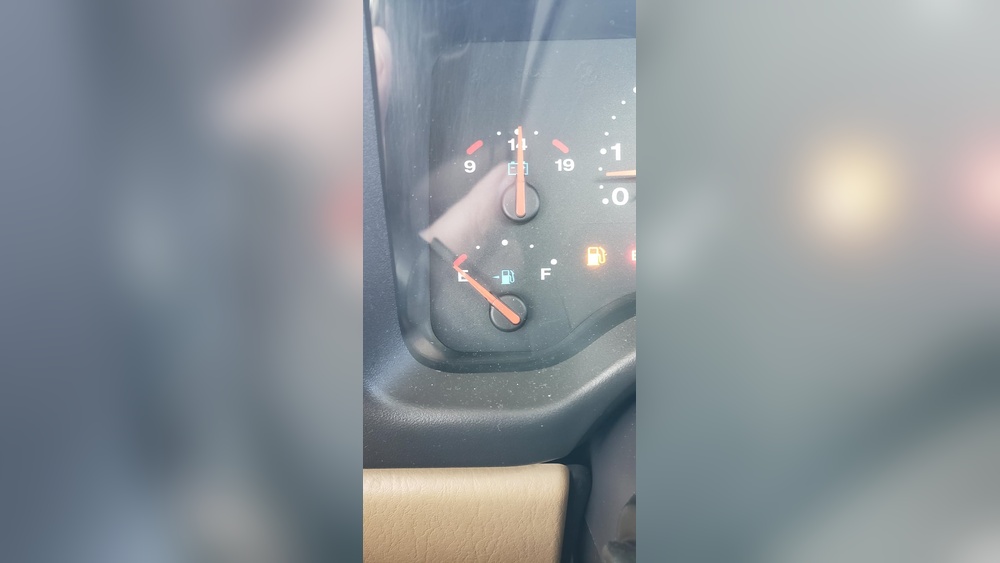
If you own a Jeep Wrangler, you know the thrill of adventure and the freedom to explore off the beaten path. But nothing interrupts that sense of adventure faster than seeing the gas light flicker on your dashboard. Suddenly, every mile feels urgent, and questions pop up: How many miles can you really drive after the gas light comes on? What factors change that number? And most importantly, how can you avoid getting stranded? This guide dives deep into the real-world numbers, expert advice, and practical tips for managing your Jeep Wrangler’s fuel when the gas light comes on. Whether you’re a weekend explorer or daily commuter, understanding your Wrangler’s gas light can keep your journeys smooth and worry-free.
What Does The Jeep Wrangler Gas Light Mean?
The gas warning light in your Jeep Wrangler is more than a simple reminder. It’s a carefully calibrated indicator designed to prompt you to refuel before you truly run out of gas. When the light turns on, your vehicle’s computer estimates that the remaining fuel is low enough to require attention soon, but not so low that you’ll immediately be stranded.
For most Jeep Wranglers, the gas light illuminates when there are about 2 to 3 gallons left in the tank. This can vary slightly between different model years and trim levels. The purpose is to give you a safe cushion—enough fuel for several miles, but not so much that you ignore it.
Why The Gas Light Comes On
- Low Fuel Level: The sensor detects a low amount of fuel, usually around 10-15% of the tank.
- Fuel Sloshing: Sometimes, the light can flicker on and off if you’re on uneven terrain, as the fuel moves in the tank.
- Sensor Issues: Rarely, a faulty sensor can trigger the light early.
The important thing to remember: the gas light is a warning, not an emergency. But pushing your luck too far can lead to problems.
How Many Miles Can You Drive After The Gas Light Comes On?
One of the most common questions among Jeep Wrangler drivers is: “How far can I go after the gas light?” There’s no single answer, but we can break it down by model and real-world experience.
Typical Mileage After Gas Light
Most Jeep Wrangler owners report that, after the gas light comes on, they can drive between 30 and 50 miles before the tank is completely empty. This number can shift based on several factors:
- Wrangler model and year
- Engine size
- Driving conditions
- Speed and driving habits
Here’s a quick comparison for some popular Wrangler models:
| Jeep Wrangler Model | Year Range | Estimated Miles After Gas Light | Fuel Left When Light Comes On |
|---|---|---|---|
| Wrangler JK (2-door) | 2007–2018 | 35–45 miles | 2.5–3 gallons |
| Wrangler JK (4-door) | 2007–2018 | 30–40 miles | 2.5–3 gallons |
| Wrangler JL | 2018–present | 35–50 miles | 2.5–3.5 gallons |
| Wrangler TJ | 1997–2006 | 35–45 miles | 2–3 gallons |
These numbers are averages. Some drivers have squeezed out more, but it’s risky to push beyond these estimates.
Real-world Example
A Wrangler JL driver reported driving 47 miles after the gas light came on before the engine sputtered. Another JK owner averaged 38 miles. But these are not guarantees—road conditions, traffic, and weather all matter.
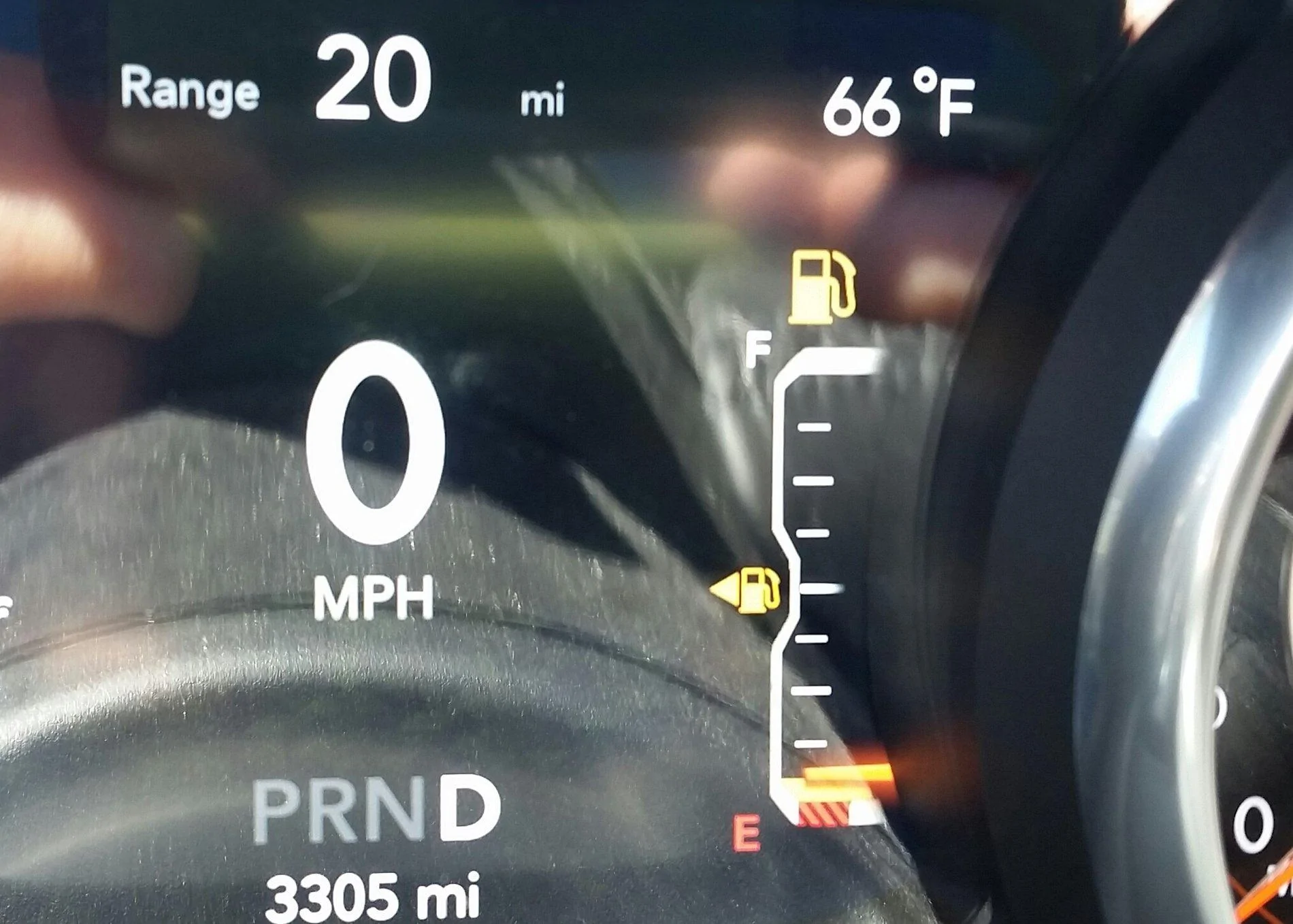
How The Computer Calculates “distance To Empty”
When the light turns on, your Jeep often displays a “distance to empty” estimate. This number is calculated using:
- Recent driving habits: If you’ve been driving slowly, the estimate will be higher.
- Average fuel consumption: Aggressive driving reduces the estimate.
- Sensor readings: The computer reads fuel levels and adjusts estimates in real-time.
It’s important to know that this is an estimate, not a promise. The number can change quickly with speed, terrain, and weather.

Why The Range Varies: Key Factors That Affect Your Miles After The Gas Light
You might notice that some Jeep drivers claim 50 miles after the gas light, while others barely get 30. Understanding what changes your available range can help you make smarter decisions.
1. Model And Year Differences
Jeep Wranglers have come in different shapes and sizes over the years, with fuel tank capacities ranging from about 15 to 22. 5 gallons. Newer models often get slightly better mileage due to updated engines and transmissions.
2. Fuel Tank Size
A bigger tank means more reserve when the light comes on. For example:
- 2-door JK: 18.6-gallon tank
- 4-door JK: 22.5-gallon tank
- JL (all): 21.5-gallon tank
The gas light usually triggers with about 2. 5 to 3. 5 gallons left, regardless of total tank size.
3. Engine And Transmission Type
A V6 engine will burn fuel differently than a turbocharged four-cylinder. Automatic transmissions sometimes use more fuel than manuals, especially in heavy traffic.
4. Terrain And Driving Style
- Highway driving: More miles after the light comes on due to steady speed.
- City traffic: Fewer miles, especially with stop-and-go.
- Off-roading: Fuel consumption spikes. The gas light means less range than on pavement.
5. Load And Accessories
Carrying extra weight—like camping gear, rooftop tents, or heavy aftermarket bumpers—can cut your range. Larger tires or a roof rack add wind resistance, using more fuel.
6. Weather Conditions
Cold weather thickens fuel and oil, making your engine less efficient. Hot weather can also affect mileage if you run the AC constantly.
7. Fuel Quality
Low-quality or old fuel can decrease efficiency and shorten your range. Always try to use recommended octane ratings.
Risks Of Driving Too Far After The Gas Light
Some drivers treat the gas light as a challenge—how far can you go before running dry? But pushing your luck has real risks, especially for your Jeep Wrangler.
Engine And Fuel System Damage
Running your tank too low can suck up debris from the bottom, clogging fuel filters or injectors. Modern Wranglers are better than old carbureted models, but it’s still a risk.
Fuel Pump Overheating
The fuel in your tank helps cool the pump. Running low means the pump can overheat, which may lead to expensive repairs.
Getting Stranded
A dead tank in a city is an inconvenience. Running out on a trail or remote road can be dangerous, leading to long walks or expensive tows.
Impact On “distance To Empty” Accuracy
If you often run the tank low, the computer’s estimates can become less accurate over time. This makes it harder to trust the “miles to empty” number.
How To Tell If You’re Really About To Run Out
The gas light is just the first warning. Here are signs you’re truly on fumes:
- Engine sputtering: The engine may hesitate or lose power.
- Loss of acceleration: You press the gas, but the Jeep barely responds.
- Fuel gauge below “E”: When the needle is past the red zone, you’re almost out.
- Warning chimes: Some Wranglers will sound an alert if you’re dangerously low.
If you notice these, get to a gas station immediately—even if it means reducing speed and turning off the AC to save fuel.
Tips For Managing Low Fuel In Your Jeep Wrangler
If you see the gas light, stay calm. You have options. Here’s how to make the most of your remaining fuel:
- Slow Down: High speeds burn more fuel. Stay at or below 55 mph if safe.
- Turn Off Accessories: Air conditioning, heated seats, and defrosters use extra power. Turn them off to stretch your range.
- Avoid Heavy Acceleration: Accelerate gently and coast when possible.
- Choose Flat Routes: Hills and rough terrain use more fuel. Stick to level roads.
- Roll Up Windows: Open windows increase drag, especially at highway speeds.
- Lighten Your Load: Remove unnecessary cargo if you’re really low.
- Plan Ahead: Use your phone or GPS to find the nearest gas station.
- Don’t Panic: Most Wranglers give you at least 30 miles after the light—use that cushion wisely.
Comparing Jeep Wrangler Gas Light Range To Other Vehicles
How does the Wrangler’s reserve stack up against popular SUVs and trucks? Here’s a quick snapshot:
| Vehicle | Approx. Miles After Gas Light | Notes |
|---|---|---|
| Jeep Wrangler | 30–50 miles | Depends on model/year |
| Toyota 4Runner | 30–40 miles | Similar to Wrangler |
| Ford Bronco | 40–50 miles | Slightly larger reserve |
| Honda CR-V | 40–50 miles | Better highway efficiency |
| Chevy Silverado | 25–40 miles | Large tank, but heavier weight |
The Jeep Wrangler is in the middle of the pack. Some crossovers go further, but for off-roaders, these numbers are typical.
How To Check Your Jeep Wrangler’s Actual Reserve Range
Want to know exactly how far your Wrangler can go after the gas light? Here’s a safe, practical method to estimate your true reserve:
- Fill Up Completely: Reset your trip odometer.
- Drive Normally: Note your average miles per gallon (mpg) from the dashboard.
- When the Gas Light Comes On: Record your trip odometer reading.
- Estimate Remaining Gallons: Check your owner’s manual for your tank size, then subtract the gallons used from the total.
- Calculate Range: Multiply your average mpg by the estimated gallons left.
For example, if you have 2.5 gallons left and your Wrangler averages 18 mpg, you have about 45 miles of range.
A Word Of Caution
Never intentionally drive until you’re almost empty just to test this. It’s safer to rely on calculations and occasional checks. Over time, you’ll get a feel for your Wrangler’s reserve.
Common Myths About The Gas Light
Many drivers share “rules of thumb” about the gas light. Let’s clear up what’s fact and what’s fiction.
Myth 1: The Gas Light Means Immediate Danger
Fact: You have a buffer—usually 30 to 50 miles. It’s not an emergency, but don’t ignore it.
Myth 2: All Wranglers Are The Same
Fact: Different years and trims have different tanks and sensors. Always check your manual.
Myth 3: The “distance To Empty” Display Is Perfect
Fact: It’s an estimate based on recent driving. Sudden changes in speed or load can make it inaccurate.
Myth 4: Running Low Cleans The Tank
Fact: Modern tanks don’t “self-clean.” Running very low can actually increase the risk of clogging filters.
Myth 5: You’ll Always Run Out Before “e”
Fact: Some gauges go below “E” before the tank is truly dry. Don’t use this as an excuse to keep driving.
Preventing Gas Light Panic: Best Practices
Instead of worrying about the gas light, develop habits that keep you safe and stress-free:
- Refuel at ¼ Tank: Make it a rule to fill up before you drop below a quarter tank, especially on long trips or remote areas.
- Know Your Local Gas Stations: If you off-road or travel new areas, plan ahead so you’re never surprised.
- Carry a Spare Gas Can: Off-roaders often keep a small, approved gas can for emergencies. Never store fuel inside the cabin.
- Keep Your Fuel System Maintained: Change fuel filters as recommended and use good quality gas.
- Download a Gas Finder App: Apps like GasBuddy can help you locate nearby stations quickly.

The Hidden Cost Of Ignoring The Gas Light
It’s easy to get used to stretching your miles after the gas light, but the habit can cost you more than just a tow truck fee. Here’s what you risk:
- Increased Maintenance Costs: Frequent low-fuel runs stress the fuel pump and filters.
- Unexpected Delays: Running out of gas can make you late for work or appointments.
- Reduced Resale Value: A poorly maintained fuel system can hurt your Jeep’s value.
- Lost Trust: If you often drive with the gas light on, your passengers may worry about reliability.
The bottom line: treat the gas light as your Jeep’s way of looking out for you, not as a challenge to beat.
How Jeep Wrangler Owners Handle The Gas Light
Jeep owners are a resourceful bunch. Here are a few clever habits and real-life tips from experienced drivers:
- “I keep a mental map of gas stations on my regular routes, so I’m never surprised.”
- “On long off-road trips, I top off the tank at every chance, not just when it’s low.”
- “I reset my trip odometer every fill-up. When I get close to my usual ‘light on’ mileage, I know to start looking for gas.”
- “I keep a 2-gallon Rotopax tank on my rear carrier for emergencies.”
- “If the light comes on, I stay calm—there’s always more time than you think, but I don’t push it.”
One non-obvious tip: If you’re towing or carrying a heavy load, assume your reserve is smaller. Weight reduces your “miles after gas light,” even if the estimate looks the same.
Frequently Asked Questions
How Many Miles Can A Jeep Wrangler Go After The Gas Light Turns On?
Most Jeep Wrangler models can drive about 30 to 50 miles after the gas light comes on, depending on the year, engine, and driving conditions. Always treat this as an estimate, and try to refuel as soon as possible.
Is It Bad For The Jeep Wrangler To Drive With The Gas Light On?
Yes, frequently driving with the gas light on can harm your fuel pump and clog filters. It also increases the risk of getting stranded. Try to refuel before you reach this point.
Does The “miles To Empty” Display Give An Accurate Reading?
The “distance to empty” display is an estimate based on recent driving habits and average fuel consumption. It’s usually close but can change quickly if your driving style or conditions change.
Do All Jeep Wrangler Models Have The Same Reserve When The Gas Light Comes On?
No. Different model years and trims have varying tank sizes and sensor calibrations. Always check your owner’s manual for the most accurate information about your specific Jeep.
What Should I Do If I See The Gas Light Far From A Gas Station?
Stay calm. Slow down, turn off unnecessary electronics, and find the nearest station using your phone or GPS. Avoid sudden acceleration and stick to flat roads if possible.
Before you hit the road again, remember: understanding your Jeep Wrangler’s gas light isn’t just about avoiding inconvenience—it’s about protecting your vehicle and your adventures. If you want to dig deeper into fuel system care, the Jeep Wrangler Wikipedia page offers even more technical details. Stay safe, keep your tank healthy, and let the road ahead always be open.