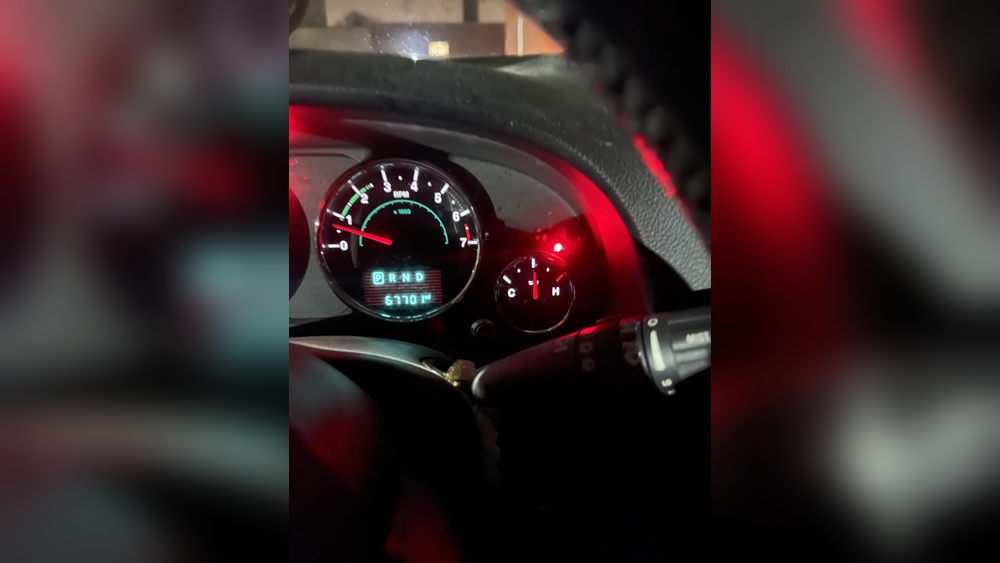
A red light blinking above the temperature gauge in your Jeep Wrangler is enough to make any driver nervous. You might wonder, “Is my engine about to overheat? Should I pull over right now? ” If you’ve seen this warning while driving, you’re not alone—many Jeep owners face this exact scenario.
Understanding what this blinking light means, what causes it, and how to respond can save you from expensive repairs and keep your Wrangler running smoothly. This article is your complete guide to decoding the blinking red light above the temp gauge in your Jeep Wrangler, with practical advice, real-world examples, and expert insights you won’t find in most quick guides.
What Does The Blinking Red Light Mean?
The blinking red light above the temperature gauge is a critical warning. In most Jeep Wranglers, this light signals an engine overheating issue or a related coolant system problem. Unlike a steady red light, which may indicate a consistent problem, a blinking light often means the issue is urgent and possibly worsening.
Most Jeep Wrangler dashboards use icon-based warnings. The red blinking light is usually shaped like a thermometer or sometimes an exclamation mark within a circle, positioned above or near the temp gauge. It’s designed to catch your eye immediately.
Why Is This Warning So Serious?
Your engine operates at high temperatures. If it overheats, major components can warp, crack, or fail completely. A blinking red light means the system detects temperatures above safe operating levels or a critical malfunction, such as:
- Loss of coolant
- Failed water pump
- Blocked radiator
- Faulty thermostat
- Electrical sensor error
Ignoring this warning can lead to engine seizure, blown head gaskets, or even a total engine replacement—one of the costliest repairs for any vehicle.
Common Causes Of The Blinking Red Light
Several issues can trigger the blinking red light above your Wrangler’s temperature gauge. Knowing these helps you troubleshoot and explain the problem to a mechanic.
1. Low Coolant Level
Coolant keeps your engine at a safe temperature. If the level drops too low, heat can’t be carried away from the engine, triggering the overheat warning. Coolant loss often comes from leaks at the radiator, hoses, water pump, or heater core. Sometimes, a loose radiator cap lets coolant evaporate.
2. Faulty Thermostat
The thermostat regulates coolant flow through the engine. If it fails in the closed position, coolant can’t circulate, causing rapid overheating. A stuck-open thermostat makes the engine run too cool, but a stuck-closed one is far more dangerous.
3. Water Pump Failure
The water pump moves coolant through the system. If it fails, even with enough coolant, circulation stops. This quickly leads to overheating. Water pump issues often show up as coolant leaks, whining noises, or visible wobble at the pump pulley.
4. Broken Or Slipping Serpentine Belt
The serpentine belt drives the water pump (and sometimes the fan). If it snaps or slips, coolant flow stops. You may also lose power steering and the alternator, so watch for other warning lights.
5. Blocked Or Damaged Radiator
A blocked radiator can’t cool the fluid passing through it. This can happen due to internal corrosion, debris buildup, or damage from off-road driving—a common situation for Wrangler owners.
6. Cooling Fan Issues
Many Wranglers use electric fans to boost airflow at low speeds. If the fan motor fails or the relay/switch malfunctions, the engine can overheat quickly, especially when idling or moving slowly.
7. Sensor Or Wiring Fault
A faulty temperature sensor or damaged wiring can send false signals, triggering the warning even if the engine is not overheating. While less common, electrical issues should not be ignored.
8. Air Pockets After Coolant Change
When coolant is changed but air pockets remain in the system, these can block flow and cause hotspots. Modern engines are sensitive to improper bleeding after a coolant flush.
9. Head Gasket Failure
A blown head gasket may let exhaust gases enter the cooling system, raising pressure and temperatures. This is a more advanced problem and is usually accompanied by white smoke from the exhaust or milky oil.
How To Respond When The Light Flashes
A blinking red light is a “stop now” warning, not a “wait and see. ” Here’s what to do, step by step, to protect your Jeep and your safety.
1. Pull Over Safely
As soon as you notice the blinking light, safely pull over. Do not drive further unless you’re in immediate danger where stopping is unsafe. Continuing to drive risks catastrophic engine damage.
2. Shift To Neutral And Let The Engine Idle
If you’re stuck in traffic or can’t stop immediately, shift to neutral. Letting the engine idle reduces stress and may lower temperatures slightly, buying you time.
3. Turn Off The Air Conditioner
The AC puts extra load on the engine. Switch it off to reduce engine strain.
4. Turn On The Heater
This may sound odd, but turning your heater to maximum can help pull heat away from the engine into the cabin. It’s uncomfortable but can help lower engine temp in emergencies.
5. Wait Before Opening The Hood
The engine and coolant will be extremely hot. Wait 15–30 minutes before opening the hood to avoid burns or being sprayed by hot coolant.
6. Check Coolant Level
When safe, open the hood and inspect the coolant reservoir (not the radiator cap when hot). If coolant is low, this may be the main issue.
7. Look For Leaks
Check under the vehicle for puddles of coolant. Look around the radiator, hoses, and water pump for visible leaks or drips.
8. Do Not Drive With The Warning On
If the light stays on after topping coolant (or you find a big leak), do not drive. Arrange for a tow to a trusted mechanic.
How Mechanics Diagnose The Problem
A mechanic will follow a systematic process to find the root cause. Here’s how the typical diagnosis unfolds.
Visual Inspection
The first step is a visual inspection. Mechanics look for leaks, damaged hoses, loose belts, and signs of overheating (like a warped radiator cap or steam residue).
Cooling System Pressure Test
A pressure test helps find hidden leaks. The system is pressurized, and the mechanic watches for drops or visible leaks.
Thermostat And Fan Check
Mechanics check if the thermostat opens at the correct temperature and if the cooling fan activates as it should.
Sensor And Wiring Analysis
They’ll use a scan tool to read temperature sensor data. If the sensor shows extreme readings or is out of sync with actual engine temp, it may need replacement.
Head Gasket Test
If overheating is severe, a head gasket test (often a chemical test for exhaust gases in the coolant) may be performed.
Common Diagnostic Tools
Here’s a quick comparison of common tools used:
| Tool | Purpose | Typical Findings |
|---|---|---|
| OBD-II Scanner | Reads error codes and sensor data | Sensor faults, overheating codes |
| Pressure Tester | Checks for leaks under pressure | Leaking hoses, radiator, or cap |
| Infrared Thermometer | Measures temperature at various points | Hot spots, stuck thermostat |
| Combustion Leak Tester | Detects exhaust gases in coolant | Blown head gasket |
How To Fix The Blinking Red Light Issue
The solution depends on the root cause. Here’s what each common issue requires:
Low Coolant
- Top off with the correct mix (typically 50/50 antifreeze and water).
- Find and repair the leak.
- Bleed the system to remove air pockets.
Faulty Thermostat
- Replace the thermostat with a factory-spec part.
- Bleed the system afterward.
Water Pump Failure
- Install a new water pump.
- Replace the serpentine belt if worn.
- Flush coolant as needed.
Blocked Radiator
- Flush or replace the radiator.
- Inspect for external blockages (mud, leaves).
Cooling Fan Or Relay Issues
- Replace failed fan motors or relays.
- Check wiring and fuses.
Sensor Or Wiring Problems
- Replace faulty sensors.
- Repair or replace damaged wiring.
Head Gasket Replacement
- This is a complex, expensive repair.
- Only use experienced mechanics for this job.
Cost Comparison Of Common Fixes
Here’s a quick look at typical repair costs for a Jeep Wrangler:
| Repair | Estimated Cost (USD) | DIY Difficulty |
|---|---|---|
| Coolant Top-Off | $20–$50 | Easy |
| Thermostat Replacement | $120–$300 | Moderate |
| Water Pump Replacement | $400–$800 | Hard |
| Radiator Flush/Replacement | $100–$700 | Moderate/Hard |
| Fan Motor/Relay | $100–$300 | Moderate |
| Head Gasket Replacement | $1,200–$2,000+ | Very Hard |
Preventing Overheating And Future Red Light Warnings
Prevention is far easier and cheaper than emergency repairs. Here’s how to keep your Wrangler’s cooling system healthy:
Regular Coolant Checks
Check your coolant level monthly, especially before long trips or off-road adventures. Use the type recommended in your owner’s manual.
Inspect Belts And Hoses
Look for cracks, fraying, or leaks every oil change. Replace worn parts before they fail.
Flush Coolant System
Flush and replace coolant every 2–3 years or per Jeep’s recommendations. Old coolant loses its ability to protect against heat and corrosion.
Clean Radiator Fins
If you go off-road, mud and debris can block airflow. Rinse the radiator fins gently with water (not high pressure) after dusty or muddy trips.
Watch For Early Signs
If you notice temperature spikes, heater issues, or visible leaks, address them before a warning light appears.
Use Genuine Parts
Aftermarket thermostats or sensors may not match factory specs. Use OEM or high-quality parts for best reliability.
Monitor With An Obd-ii Scanner
An OBD-II scanner can help you catch sensor errors or overheating before they become critical.

Why Jeep Wranglers Are More Prone To Overheating
The Wrangler’s design makes it a favorite for adventure, but it also has some unique cooling challenges.
Compact Engine Bay
The Wrangler’s compact engine bay leaves less space for heat to dissipate. This means less margin for error if there’s a cooling issue.
Off-road And Slow-speed Driving
Wranglers often see slow-speed, high-load driving (like climbing rocks or crawling through mud), which reduces airflow through the radiator and stresses the cooling system.
Accessories And Modifications
Bigger tires, winches, and aftermarket bumpers can block airflow or strain the engine, making overheating more likely.
Example: Off-road Overheating
A Wrangler owner installs a winch and larger tires, then tackles a tough trail in summer. The engine works harder, airflow is restricted, and the cooling fan struggles to keep up. The red light blinks, and the driver must stop to avoid engine damage.
What Beginners Often Miss
Many new Wrangler owners believe a “topped-off coolant” means all is well. But air pockets, failing thermostats, and blocked radiators can still cause overheating even when the reservoir looks full.
Another common mistake: Ignoring the heater trick. Turning on the heater can lower engine temperature in a pinch, but many people skip this because it feels counterintuitive or uncomfortable.
Many forget that electrical faults (like a failed sensor or relay) can mimic overheating. Replacing the wrong part wastes time and money, so a proper diagnosis is essential.

Real-world Stories From Wrangler Owners
Hearing from fellow owners can make these lessons stick. Here are two real situations:
Case 1: The Invisible Leak
Joe, a 2015 Wrangler driver, saw the blinking red light and found no visible leaks. A mechanic pressure-tested his system and found a tiny crack in the radiator only visible under pressure. Fixing the radiator solved the problem.
Case 2: The Sensor That Cried Wolf
Maria’s 2012 Wrangler flashed the red light, but the engine felt normal. A scan tool showed the coolant temp sensor was faulty, sending false warnings. Replacing the sensor fixed the issue, and she avoided unnecessary engine work.
When To Call A Professional Vs. Diy
Some fixes are DIY-friendly (like adding coolant), but others require expertise.
- DIY: Adding coolant, inspecting belts/hoses, checking fuses.
- Professional: Head gasket, water pump, electrical diagnostics, or any repair involving engine disassembly.
If you’re unsure, it’s always safer to have a trusted mechanic check your vehicle.
Key Takeaways For Jeep Wrangler Owners
- A blinking red light above the temp gauge means stop and check immediately.
- Overheating can destroy your engine—never ignore this warning.
- Most common causes: Low coolant, leaks, failed thermostat, water pump, blocked radiator, or sensor faults.
- Diagnose the problem carefully; don’t guess.
- Prevent overheating with regular checks, maintenance, and using the right parts.
- When in doubt, call a professional.
For more details on Jeep Wrangler dashboard symbols, visit the official Jeep Dashboard Symbols Guide.
Frequently Asked Questions
What Should I Do First When The Red Light Blinks Above The Temp Gauge?
Pull over safely and turn off the engine as soon as possible. Let the engine cool down for at least 15–30 minutes before opening the hood. Check the coolant level and look for leaks.
Is It Safe To Drive With The Blinking Red Light If I Add Coolant?
No, it’s not safe to drive with the blinking red light even if you add coolant. The warning means something is still wrong, and you risk severe engine damage.
Can A Faulty Temperature Sensor Cause The Red Light To Blink?
Yes, a faulty temperature sensor can send incorrect signals to the dashboard, causing the warning to blink even if the engine is not actually overheating. A mechanic can diagnose this with a scan tool.
How Much Does It Cost To Repair An Overheating Jeep Wrangler?
Repair costs vary widely. Simple fixes like adding coolant or a new thermostat might cost $50–$300. Major repairs like a head gasket replacement can cost over $1,200.
How Can I Prevent The Red Light From Coming On In The Future?
Regularly check coolant levels, inspect belts and hoses, flush the coolant system every 2–3 years, and clean the radiator after off-road trips. Address any small leaks or temperature changes quickly.
Your Jeep Wrangler is built for adventure, but only if you keep its cooling system healthy. By acting quickly when you see the blinking red light above the temp gauge, you protect your investment and ensure your next trail ride doesn’t end with an overheated engine.
Stay alert, keep up with maintenance, and your Jeep will take you anywhere the road—or trail—leads.