Cold weather can bring out the worst in your vehicle—especially if you drive a Jeep. Many Jeep owners notice their trusty SUV or truck struggles to start when temperatures drop. It’s frustrating: you expect your Jeep to handle anything, but on a freezing morning, you might find yourself stuck in the driveway with only a clicking sound or, worse, nothing at all. Understanding why your Jeep won’t start in cold weather and what you can do about it is important, whether you’re new to Jeep ownership or have years of experience.
Cold starts are a common issue, but the reasons are not always obvious. This guide breaks down what’s really going on under the hood, gives you practical steps, and shares expert insights you won’t find in the owner’s manual. You’ll learn how cold weather affects your Jeep, what parts are most likely to fail, and how to fix or prevent these problems.
If you want to trust your Jeep on winter mornings, keep reading.
Why Jeeps Struggle In Cold Weather
Jeeps are known for their reliability in tough conditions, but even a Jeep Wrangler or Grand Cherokee can have trouble starting when it’s cold. The main reason is that low temperatures affect several systems at once. Oil thickens, batteries lose power, fuel doesn’t vaporize as easily, and sensors can malfunction. Each of these makes it harder for your engine to start.
The Science Of Cold Starts
Engines need three things to start: air, fuel, and spark. In cold weather:
- Oil thickens, creating more resistance for the starter motor.
- Batteries produce less current because chemical reactions slow down.
- Fuel doesn’t vaporize well, making it harder to ignite.
- Sensors can give incorrect readings if they’re too cold or faulty.
- Condensation in the fuel lines can freeze, blocking the flow.
Older Jeeps with carbureted engines often struggle more than modern models with fuel injection, but even new Jeeps can have issues if any part is weak.
Common Cold-weather Symptoms
When a Jeep refuses to start in the cold, you might notice:
- The engine cranks slowly or not at all.
- Dashboard lights flicker or dim.
- A clicking noise but no engine turnover.
- The engine starts, then dies immediately.
- No sound—complete silence when you turn the key.
Recognizing these symptoms helps you narrow down the cause and focus your troubleshooting.
Key Components Affected By Cold
Not every part of your Jeep is equally sensitive to low temperatures. Some components are much more likely to fail or struggle when it’s cold.
Battery Performance In The Cold
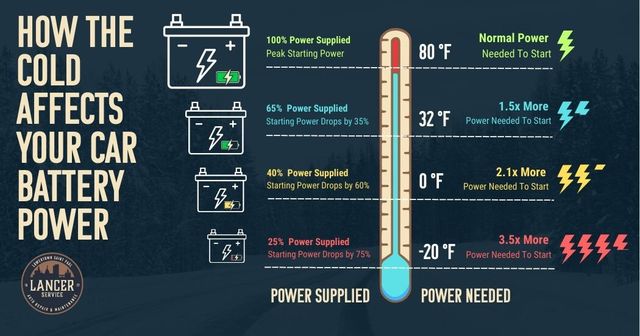
Your Jeep’s battery is the most common failure point. At 32°F (0°C), a typical car battery loses about 35% of its power. At 0°F (-18°C), it loses up to 60%. If your battery is more than three years old or was already weak, it might not have enough energy to turn the starter.
Battery Comparison Table
Here’s how battery power output changes with temperature:
| Temperature (°F) | Battery Power Output (%) | Common Result |
|---|---|---|
| 80 | 100 | Normal start |
| 32 | 65 | Slow crank |
| 0 | 40 | May not start |
| -20 | 20 | Very unlikely to start |
Starter Motor And Oil Viscosity
In cold weather, oil gets thicker. This means the starter motor must work harder to turn the engine. If your starter is already worn out, it can fail under the extra load. Using oil with the wrong viscosity rating also makes starting more difficult.
Fuel System Challenges
Cold air means fuel doesn’t vaporize well. Modern Jeeps use electronic fuel injection, which adjusts for temperature. But if you have clogged injectors, a dirty fuel filter, or a weak fuel pump, your engine might not get enough fuel to start.
Water in the fuel line can also freeze, causing blockages.
Ignition System Sensitivity
Spark plugs and ignition coils are less reliable in cold weather. Old or dirty spark plugs may not fire at all. This is especially true for high-mileage Jeeps or those overdue for maintenance.
Sensors And Electronics
Modern Jeeps rely on sensors to control starting and fuel delivery. The crankshaft position sensor and coolant temperature sensor are especially important. If these sensors give incorrect readings, the computer might not deliver enough fuel or spark, making cold starts difficult.
Diagnosing The Problem
Before you can fix your Jeep, you need to know what’s wrong. Some issues are easy to check, others require tools or expertise.
Step-by-step Diagnosis
1. Listen Carefully
Does the engine crank or is it silent? If you hear clicking, the battery or connections are likely the problem. Silence usually points to the starter or battery.
2. Check Dashboard Lights
Are they dim or flickering? If yes, the battery is probably weak.
3. Try The Headlights
Turn on your headlights. If they are dim or do not turn on, the battery is likely dead.
4. Smell For Fuel
If the engine cranks but does not start, and you smell gasoline, the problem may be with the ignition system.
5. Scan For Error Codes
Use an OBD-II scanner to check for error codes. Many auto parts stores will do this for free.
6. Test The Battery
Use a multimeter. A healthy battery should read 12.6 volts or more with the engine off.
7. Inspect Cables And Terminals
Corroded or loose connections can mimic a dead battery.
Advanced Checks
If the basics don’t reveal the cause, check:
- Oil level and viscosity (refer to your Jeep’s manual for correct type)
- Fuel filter for clogs or ice
- Spark plug condition and gap
- Starter motor for unusual sounds or heat
- Sensor readings (with a scan tool)
How To Fix A Jeep That Won’t Start In The Cold
Once you know what’s wrong, you can take action. Here’s how to address the most common problems.
Revive Or Replace The Battery
- If the battery is weak, try jump-starting. Use thick, high-quality jumper cables.
- Clean the battery terminals if they are corroded.
- If the battery is more than three years old, consider replacing it with one rated for cold cranking amps (CCA) that matches or exceeds Jeep’s specification.
Improve Oil Flow
- Switch to a synthetic oil with the right viscosity for your climate (for example, 5W-30 instead of 10W-40).
- Change oil and filter if overdue.
Fix Fuel Issues
- Add a fuel-line antifreeze (like HEET) if you suspect water or ice in the fuel.
- Replace the fuel filter if you haven’t done so recently.
- If the tank is nearly empty, fill up to reduce condensation and ice risk.
Restore The Ignition System
- Replace old or fouled spark plugs and wires.
- Inspect ignition coils for cracks or damage.
- If you get a sensor-related error code, replace the affected sensor.
Starter And Electronics
- If the starter is bad, you’ll often hear a grinding or whirring noise. Replace it if needed.
- Check all ground wires for corrosion.
Quick Fixes For Emergencies
- Battery warmers: Plug-in pads or blankets that keep your battery warm overnight.
- Engine block heaters: Heat the coolant and engine block so the engine turns over more easily.
- Portable jump starters: Useful if you’re away from home and the battery dies.
Product Comparison: Battery Warmers Vs. Engine Block Heaters
| Device | Primary Use | Installation Difficulty | Effectiveness |
|---|---|---|---|
| Battery Warmer | Keeps battery warm | Easy (wraps around battery) | Moderate |
| Engine Block Heater | Warms coolant/engine | Medium (install in engine block) | High |
Preventing Cold Weather Starting Problems
Prevention is easier and cheaper than repairs, especially when winter hits hard. Here’s how to keep your Jeep reliable in cold weather.
Maintain Your Battery
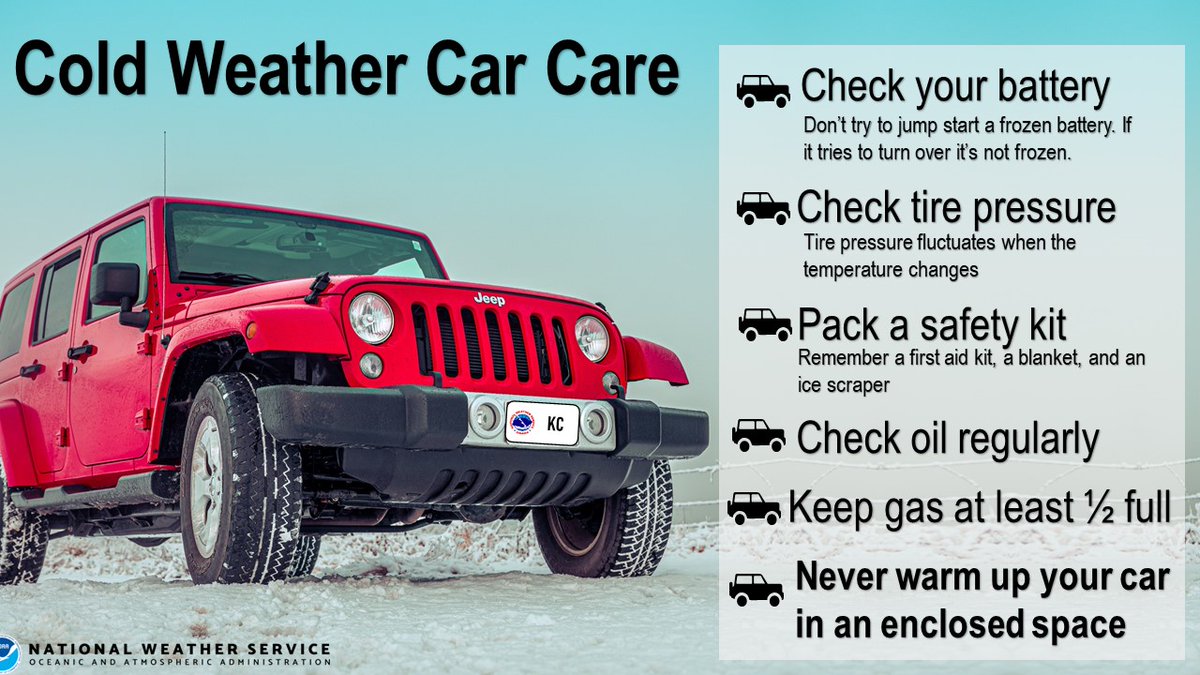
- Test your battery every fall.
- Replace it before it fails, especially if it’s more than three years old.
- Keep terminals clean and tight.
Use The Right Oil
- Switch to synthetic oil with the correct winter rating before it gets cold.
- Check your owner’s manual for recommendations.
Keep The Fuel System Clean
- Use a fuel system cleaner every few months.
- Replace the fuel filter as recommended.
- Keep the tank at least half full to reduce condensation.
Mind The Spark Plugs
- Change spark plugs at the recommended interval.
- Use plugs specified for your Jeep’s engine.
Protect Sensors And Electronics
- Inspect wiring and connectors for damage or corrosion.
- If your Jeep is older, consider having a mechanic check sensors before winter.
Store Your Jeep Smartly
- Park in a garage or sheltered area when possible.
- Use a battery maintainer if you won’t drive for several days.
Advanced Tips Most Jeep Owners Miss
- Check ground straps: Poor engine ground connections can cause weak or no starts in cold weather. These are often overlooked.
- Update the software: Some Jeep models, especially newer ones, have software updates for the engine control module (ECM) that improve cold starts. Check with your dealer for recalls or updates.
Real-world Examples
Consider these two Jeep owners:
Mike in Minnesota drives a 2014 Jeep Grand Cherokee. Every winter, he had trouble starting his Jeep until he switched to a battery with higher CCA and installed an engine block heater. Now, even at -10°F, his Jeep starts reliably.
Sandra in Colorado owns a 2005 Wrangler. She struggled with cold starts until her mechanic found corrosion on the battery ground strap. After cleaning the connections and switching to synthetic oil, her Wrangler started much better, even after snowy nights.
Stories like these show that a few small changes can make a big difference.
When To Call A Mechanic
Most cold-start issues are simple to fix, but sometimes you need professional help. Call a mechanic if:
- The starter cranks but the engine never catches, even after multiple tries.
- You hear grinding, whirring, or unusual noises.
- You smell fuel but the engine will not start.
- You see warning lights that don’t clear after troubleshooting.
- You’re not comfortable testing electrical or fuel systems.
A good mechanic can quickly test your battery, starter, fuel system, and sensors with professional tools. This can save you time and prevent more serious damage.
Jeep Models And Cold Start Problems
Some Jeep models are more prone to cold start issues than others due to design, age, or common flaws. Here’s a summary:
| Model | Common Cold Start Issue | Typical Solution |
|---|---|---|
| Wrangler (TJ, JK) | Batteries and sensors | Upgrade battery, check sensors |
| Grand Cherokee (WJ, WK) | Fuel pump relays | Replace relay, use synthetic oil |
| Cherokee (XJ, KL) | Spark plugs, coil packs | Replace plugs/coils |
| Patriot/Compass | Battery, starter | Battery upgrade, starter check |
If you own one of these models, ask your mechanic about known cold-weather problems.
Myths And Misconceptions
Many Jeep owners believe things about cold starts that aren’t true. Let’s clear up some common myths.
- “Warming up the engine for 20 minutes is necessary.”
In reality, modern engines only need a minute or two before driving gently. Long warm-ups waste fuel.
- “Premium gas solves cold starts.”
Higher octane doesn’t help starting. Fresh, clean fuel does.
- “Jump-starting always works.”
Not if your battery is completely dead or if cables are too thin for cold weather.
- “All Jeeps have cold start problems.”
With proper maintenance and the right parts, most Jeeps start fine in winter.
- “You need to replace the starter right away if it won’t crank.”
Often, cleaning the battery connections or replacing the battery solves the problem.
Understanding what really works saves time, money, and stress.
Frequently Asked Questions
Why Does My Jeep Only Have Trouble Starting In Winter?
Cold weather makes oil thicker, reduces battery output, and makes fuel harder to ignite. If your Jeep starts fine in warm weather but not in winter, one or more of these factors is likely causing the problem.
How Can I Tell If It’s The Battery Or The Starter?
If you hear a clicking sound or the lights dim when you turn the key, it’s usually the battery. If the lights stay bright but there’s no sound from the engine, the starter may be bad.
Is It Safe To Use Starting Fluid On A Jeep?
Using starting fluid is usually not recommended for modern fuel-injected Jeeps. It can damage sensors and the intake system. Try to fix the real issue (battery, fuel, or spark) instead.
What Is Cold Cranking Amps (cca), And Why Does It Matter?
Cold cranking amps measure how much current a battery can deliver at 0°F. A higher CCA rating means your battery can turn the engine over better in cold weather. Always choose a battery with a CCA rating that meets or exceeds Jeep’s recommendations.
Where Can I Find More Information About Jeep Cold Start Problems?
You can find more technical details and owner experiences on the JeepForum, which is a trusted resource for Jeep owners.
Cold mornings don’t have to mean a dead Jeep. With the right knowledge and a few simple checks, you can keep your Jeep starting strong all winter. Remember, most cold start problems are preventable with good maintenance and a bit of planning.
If you get stuck, don’t panic—help is available, and your Jeep will soon be ready for the road again.