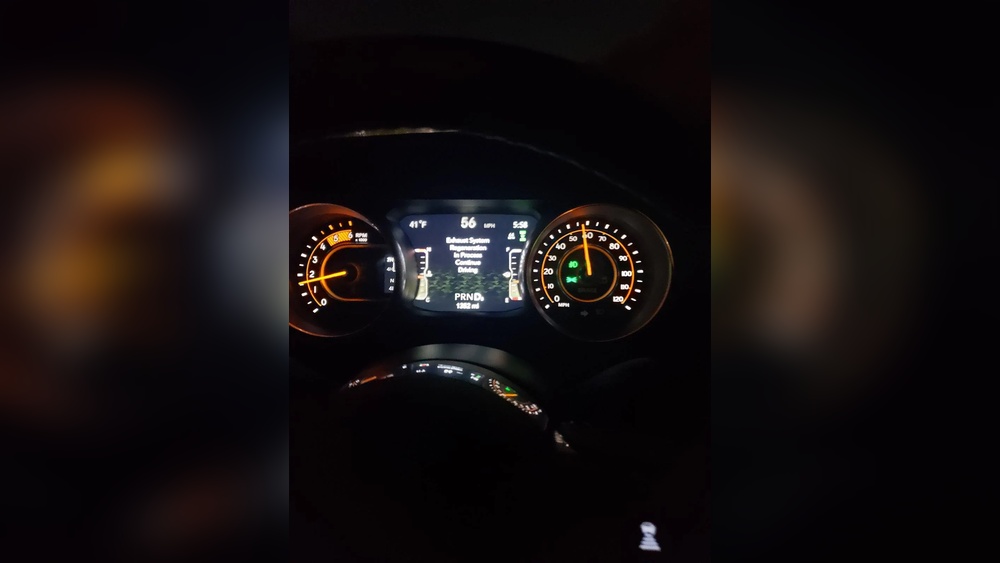
Owning a Jeep often means adventure, tough terrain, and reliable performance. But behind the scenes, keeping your Jeep running clean is just as important. One key system working quietly is the exhaust system regeneration. If you drive a newer Jeep, especially diesel models, you may have seen messages about regeneration or noticed changes in performance. Understanding this process can help you maintain your vehicle, avoid expensive repairs, and ensure your Jeep meets environmental standards.
What Is Exhaust System Regeneration?
Exhaust system regeneration is a process found in modern diesel vehicles, including many Jeep models. It’s part of the emissions control system, mainly targeting the Diesel Particulate Filter (DPF). Diesel engines produce soot and particles, which the DPF traps. Over time, these particles build up and can block the filter. Regeneration is the method used to burn off these particles, cleaning the filter and keeping emissions low.
There are three main types of regeneration:
- Passive Regeneration – Happens naturally when the exhaust temperature is high enough (usually during highway driving).
- Active Regeneration – Triggered by the vehicle’s computer when passive regeneration isn’t enough. The system raises the exhaust temperature to burn off the particles.
- Forced Regeneration – Performed at a dealership or repair shop when the filter is heavily clogged and other methods failed.
For Jeep owners, understanding these types helps recognize symptoms, avoid mistakes, and prevent costly trips to the mechanic.
Why Regeneration Matters For Jeep Owners
Jeep diesel models like the Grand Cherokee and Wrangler EcoDiesel rely on regeneration to keep the DPF clear. Without regular regeneration:
- The DPF can clog, affecting engine performance.
- The vehicle may enter “limp mode,” limiting speed and power.
- You risk increased emissions and failing inspection tests.
- Repairs can be expensive, sometimes requiring DPF replacement.
Jeep’s regeneration system is designed for trouble-free operation, but driving habits, fuel quality, and maintenance can all impact how well it works.
How Regeneration Happens In Jeep Vehicles
Jeep’s exhaust system uses sensors to monitor the DPF’s soot level. When it detects too much buildup, it triggers regeneration. Here’s how it works step by step:
- Sensor Detection: The system checks pressure and temperature in the exhaust.
- Regeneration Start: If soot levels are high, the Jeep raises exhaust temperature—often by injecting extra fuel into the exhaust stream.
- Soot Burn-Off: The high heat (around 600°C / 1112°F) burns the particles, turning them into harmless gas.
- Completion: Sensors confirm the filter is clean, and the system returns to normal.
Most Jeep drivers won’t notice passive regeneration. However, during active regeneration, you might see:
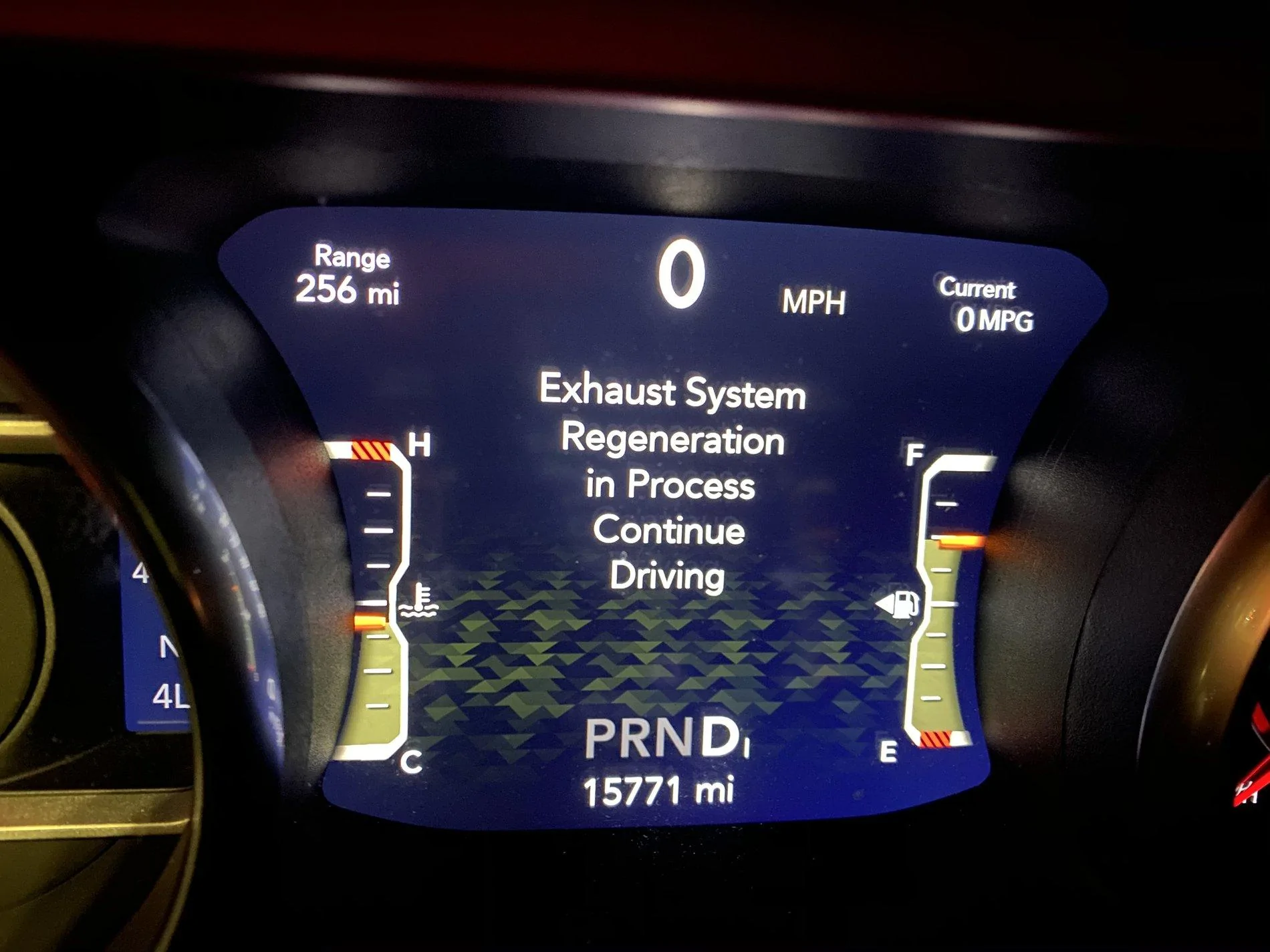
- A message on the dashboard (“DPF Regeneration in Progress”)
- Higher idle speed
- Increased fuel consumption temporarily
- Hotter exhaust smell
If regeneration fails or is interrupted too often, the filter can become overloaded. This is when forced regeneration may be needed.
Common Jeep Models With Exhaust Regeneration
Not all Jeeps use exhaust regeneration. It’s mainly found in diesel-powered models. Some of the most common are:
- Jeep Grand Cherokee EcoDiesel
- Jeep Wrangler EcoDiesel
- Jeep Gladiator EcoDiesel
These models use advanced emission systems, including Selective Catalytic Reduction (SCR) and DPF. The regeneration process is managed by the vehicle’s onboard computer.
Older gasoline-powered Jeeps do not have DPFs or require regeneration, but they may use other emission controls.
Signs Regeneration Is Happening Or Needed
Knowing when regeneration is happening—or when it’s not working—can help avoid problems. Here are some signs:
- Dashboard Indicators: Look for “DPF Regeneration” messages or warning lights (check engine, DPF warning).
- Higher Idle Speed: The engine may idle faster during active regeneration.
- Hot Exhaust Smell: The exhaust may smell hotter or slightly different.
- Fuel Consumption Spike: You might notice a slight increase in fuel use during regeneration.
- Reduced Power: If the DPF is clogged, the Jeep may enter limp mode.
If you see a DPF warning light and regeneration doesn’t clear it, it’s time to visit a dealer.
How Driving Habits Affect Regeneration
Regeneration relies on high exhaust temperatures. Short trips, low speeds, and stop-and-go traffic can prevent proper regeneration. Here’s how your driving affects the process:
- Highway Driving: Best for passive regeneration. Sustained speeds keep exhaust hot.
- City Driving: Low speeds and short trips may not reach the needed temperature.
- Frequent Stops: Interrupt active regeneration, causing buildup.
If you mostly drive short distances, consider taking your Jeep on longer drives every few weeks to help regeneration. This is a practical tip many new diesel owners miss.
Example: Highway Vs City Driving
Let’s compare how two Jeep Grand Cherokee EcoDiesel owners experience regeneration.
| Driving Style | Regeneration Frequency | DPF Issues |
|---|---|---|
| Highway (Long trips) | Regular passive | Rare |
| City (Short trips) | More active/forced | Occasional clogging |
Highway driving helps the system work as designed. City driving may require more intervention and can lead to problems if not managed.
Regeneration Cycle: How Often Does It Happen?
The frequency depends on driving habits, fuel quality, and engine load. On average, Jeep diesel models perform regeneration every 300–600 miles. Some factors affecting this:
- Load: Towing or heavy acceleration increases soot, requiring more frequent regeneration.
- Fuel Quality: Low-quality diesel creates more particles.
- Engine Condition: Poor maintenance increases soot.
If regeneration is interrupted too often, the DPF may fail. Regular maintenance and proper driving can keep the cycle healthy.
Forced Regeneration: When Things Go Wrong
If the DPF is too clogged, Jeep’s system may not be able to perform automatic regeneration. This can trigger a warning light and limp mode. Forced regeneration is a last resort, performed at a dealer using special equipment.
Forced Regeneration Process
- Diagnostic Scan: Dealer checks error codes and DPF status.
- Regeneration Equipment: Connects to the Jeep and raises exhaust temperature.
- Soot Removal: Burns off the buildup under controlled conditions.
- Reset: The system resets the DPF sensors.
This process can take 30–90 minutes and may cost $150–$400. If the filter is damaged, replacement can cost $1,000–$3,000.
Comparison: Automatic Vs Forced Regeneration
Here’s how the two methods differ:
| Regeneration Type | Trigger | Cost | Duration |
|---|---|---|---|
| Automatic | Vehicle sensors | Free | 10–30 min |
| Forced | Dealer intervention | $150–$400 | 30–90 min |
Keeping your Jeep healthy can help avoid forced regeneration and costly repairs.
Tips To Help Regeneration Work Smoothly
You can help your Jeep’s exhaust system regenerate efficiently with a few habits:
- Drive Longer Distances: Take your Jeep on the highway for 20–30 minutes every week.
- Avoid Frequent Stops: Try not to interrupt regeneration by turning off the engine too often.
- Use Quality Diesel: Choose reputable fuel stations to reduce particle buildup.
- Follow Maintenance Schedules: Keep your engine tuned and change oil regularly.
- Watch Dashboard Warnings: Respond quickly to DPF or check engine lights.
These tips can save you money and prevent downtime.
Less Obvious Insights
- Regeneration can happen while idling: If active regeneration starts, letting your Jeep idle for 10–15 minutes may complete the cycle, especially if driving isn’t possible.
- Aftermarket modifications may interfere: Tuning or changing exhaust parts can disrupt regeneration, leading to more frequent forced regeneration.
Dpf And Regeneration: Technical Details
The Diesel Particulate Filter is a honeycomb structure coated with precious metals. It traps particles, then uses heat to burn them off. Jeep’s computer system uses multiple sensors:
- Temperature sensors: Located before and after the DPF.
- Pressure sensors: Measure the difference between exhaust entering and exiting the filter.
When the system sees too much soot, it calculates the best time for regeneration, often based on driving conditions and sensor data.
Example: Sensor Data
Let’s look at typical sensor readings during regeneration:
| Sensor | Before Regeneration | During Regeneration | After Regeneration |
|---|---|---|---|
| Temperature | 200°C (392°F) | 600°C (1112°F) | 200°C (392°F) |
| Pressure | High | Dropping | Low |
These readings help technicians diagnose problems and confirm regeneration is successful.

Regeneration And Environmental Impact
The exhaust system regeneration helps Jeep meet strict environmental standards. It reduces:
- Particulate emissions: By burning off soot, the DPF lowers harmful particles.
- NOx emissions: Paired with SCR, Jeep diesel models meet US and European regulations.
Without regeneration, the DPF would clog, emissions would rise, and the Jeep would fail inspections. In California and other states, failing emissions tests can prevent registration renewal.
Regeneration Myths And Misunderstandings
Many Jeep owners worry about regeneration, thinking it’s dangerous or causes damage. In reality, it’s a normal process. Here are some common myths:
- Regeneration damages the engine: The process is safe and controlled; it does not harm the engine.
- It wastes fuel: While regeneration uses a bit more fuel, the impact is minor compared to keeping the filter clean.
- You need to drive fast: Regeneration requires sustained speed, not racing.
- All Jeeps have DPFs: Only diesel models use this system.
Understanding these facts helps avoid unnecessary worry and lets you focus on proper care.

Maintenance And Troubleshooting
Keeping your Jeep’s exhaust system healthy is easier with regular maintenance and attention to warning signs. Here’s what to do:
- Check the owner’s manual: Jeep explains regeneration and DPF care in detail.
- Watch for warning lights: Don’t ignore DPF or check engine lights.
- Use scan tools: Some aftermarket tools can read DPF status and regeneration cycles.
- Visit a dealer if needed: If regeneration fails repeatedly, professional help is necessary.
Common mistakes include ignoring warning lights, using low-quality fuel, or modifying the exhaust system.
Jeep Exhaust Regeneration Compared To Other Brands
Jeep’s system is similar to other diesel vehicles, but some brands use different strategies. For example, Ford and GM trucks may use more frequent active regeneration, while European brands often rely on longer passive cycles.
Example: Jeep Vs Ford Diesel Regeneration
- Jeep: Mix of passive and active, with dashboard alerts.
- Ford: More frequent active regeneration, sometimes with a dedicated button for forced regeneration.
Both systems aim for clean emissions, but Jeep’s process is designed for adventure and mixed driving styles.
Regeneration And Towing
If you use your Jeep for towing, regeneration may happen more often. The extra load increases soot, requiring the filter to clean itself more frequently. Some Jeep owners notice:
- More dashboard messages during heavy towing.
- Slightly higher fuel consumption.
- Occasional limp mode if regeneration fails.
To avoid problems, follow these tips:
- Monitor warning lights during towing.
- Use quality fuel and keep maintenance up to date.
- Give the vehicle time for regeneration after towing sessions.
Regeneration And Off-road Driving
Jeep is famous for off-road capabilities. However, slow speeds and frequent stops can make regeneration harder. If you’re on trails for hours at low speed:
- The DPF may not reach the needed temperature.
- Regeneration could be interrupted.
- Clogging risk increases.
Before and after off-road trips, take your Jeep for a longer highway drive. This allows the filter to clean itself and prevents buildup.
Regeneration And Aftermarket Modifications
Many Jeep owners like to customize their vehicles. But modifying the exhaust or engine can affect regeneration:
- Tuning chips may change fuel delivery, disrupting regeneration cycles.
- Removing DPF is illegal in most regions and causes emissions to rise.
- Aftermarket exhausts may not support regeneration sensors.
Always check compatibility and legal issues before making changes. If unsure, consult a Jeep specialist.
Real-world Problems And Solutions
Jeep forums and owner groups share stories about regeneration issues. Here are a few:
- Interrupted regeneration: Owners who shut off the engine too often see warning lights. Solution: Let the cycle finish before turning off.
- Low-quality diesel: Causes more soot and frequent regeneration. Solution: Use trusted fuel brands.
- Sensor failure: Sometimes, sensors malfunction and trigger false warnings. Solution: Dealer diagnosis and sensor replacement.
Understanding these problems can help avoid them in your Jeep.
Frequently Asked Questions
What Happens If I Ignore The Dpf Warning Light?
Ignoring the DPF warning light can lead to limp mode, reduced performance, and expensive repairs. The filter may become too clogged for automatic regeneration. Always respond quickly to warning lights and seek professional help if needed.
Can I Drive My Jeep During Regeneration?
Yes, you can drive during regeneration. The process is automatic and safe. You may notice higher idle speed or fuel consumption, but it won’t harm your Jeep. Try to avoid stopping or turning off the engine until regeneration is complete.
How Do I Know If Regeneration Is Interrupted?
If regeneration is interrupted, you may see repeated warning messages or the DPF light stays on. Your Jeep may enter limp mode. To help, drive at highway speeds for 20–30 minutes or let the engine idle if safe.
Is Forced Regeneration Always Necessary If The Dpf Is Clogged?
No, sometimes a long highway drive can clear moderate clogging. Forced regeneration is needed only when the filter is heavily blocked or warning lights persist after normal driving. Dealers use special equipment to perform forced regeneration.
Are Aftermarket Exhaust Mods Safe For Regeneration?
Many aftermarket mods can interfere with regeneration, especially those that remove or bypass the DPF. This can cause emissions issues and make your Jeep illegal to drive in many regions. Always check compatibility and regulations before modifying the exhaust.
Keeping your Jeep’s exhaust system regeneration working smoothly is key to performance, reliability, and meeting environmental standards. With the right habits and knowledge, you can enjoy your Jeep’s power and adventure—without unexpected repairs or downtime. For more technical details on emission controls, visit the Wikipedia page on Diesel Particulate Filters.