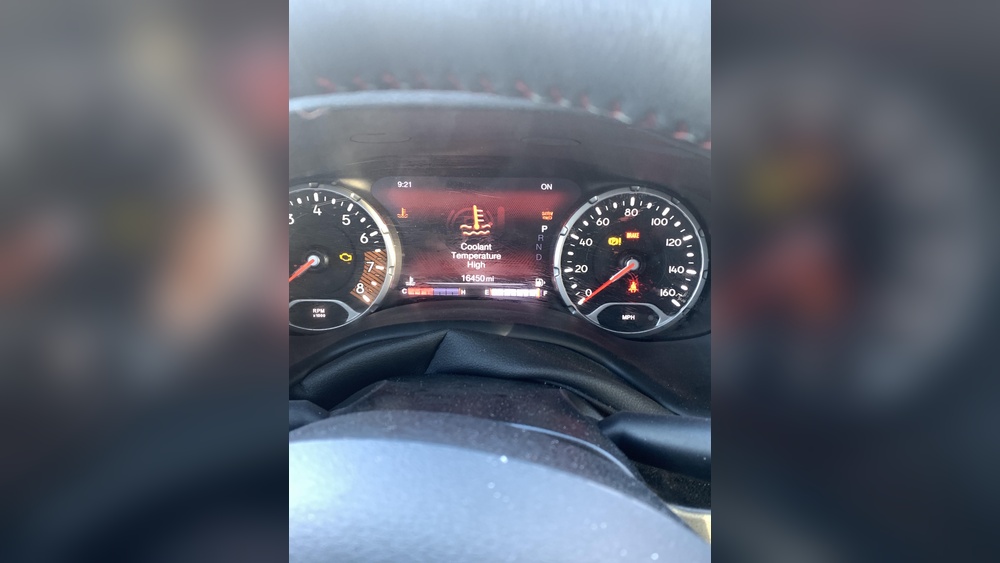
If you own a Jeep Renegade and see a warning that says “Coolant Temp High,” it can be worrying and confusing. This alert means your engine is running hotter than it should, which can damage parts and leave you stranded. Understanding why this happens and what to do about it is essential for keeping your car reliable and safe. In this article, you’ll learn what causes high coolant temperature in the Jeep Renegade, how to spot symptoms, what steps to take, and how to prevent future problems. Whether you drive daily or only occasionally, knowing about this issue will help you avoid costly repairs and unexpected breakdowns.
What Does “coolant Temp High” Mean?
When your Renegade displays a coolant temperature high warning, it signals that the coolant, which keeps your engine from overheating, is too hot. The engine temperature is measured by a sensor, and when it goes above a safe limit—usually around 230–250°F (110–121°C)—the warning appears. If ignored, it can lead to engine damage, warped cylinder heads, or even total engine failure.
The Renegade’s dashboard may show a red thermometer icon, or the message “Coolant Temp High. ” Some drivers also notice the engine fan running loudly, or the car entering “limp mode” to protect itself.
Common Causes Of High Coolant Temperature In Jeep Renegade
Several reasons can make the coolant temperature rise in your Renegade. Understanding these causes helps you find the right fix and prevents bigger issues.
1. Low Coolant Level
If the coolant is low, the engine cannot transfer heat properly. This is often due to leaks, evaporation, or not topping up during maintenance.
2. Faulty Thermostat
The thermostat controls coolant flow. If it gets stuck closed, coolant won’t move through the radiator to cool down, causing temperature spikes.
3. Radiator Problems
A clogged radiator or broken radiator fan means the heat cannot escape efficiently. Dirt, corrosion, or damaged fins can block airflow.
4. Water Pump Failure
The water pump circulates coolant. If it fails, coolant sits stagnant, leading to quick overheating.
5. Coolant Sensor Issues
A bad temperature sensor can send wrong readings. Sometimes, the warning is caused by a sensor fault, not an actual overheating.
6. Engine Oil Problems
Low or dirty engine oil increases friction and heat, making the cooling system work harder.
7. Head Gasket Failure
A blown head gasket can cause coolant leaks or let hot exhaust gases mix with coolant, pushing temperatures up.
8. Air In The Cooling System
Air pockets block coolant flow. This usually happens after improper coolant refilling or repairs.
9. Driving Conditions
Heavy loads, steep hills, or hot weather can stress the cooling system, especially if it’s already weak.
Symptoms Of High Coolant Temperature
Recognizing signs early can save your engine. Here are typical symptoms when the coolant temp is high in your Jeep Renegade:
- Dashboard warning (thermometer icon or “Coolant Temp High” message)
- Engine fan running louder or longer
- Steam from under the hood
- Sweet smell (coolant leak)
- Reduced engine power or limp mode
- Temperature gauge in red zone
- Hard starting or rough idling
If you notice any of these, act fast to prevent damage.
What To Do When You See “coolant Temp High” In Your Jeep Renegade
If the warning appears while driving, follow these steps:
- Pull Over Safely: Stop in a safe place as soon as possible.
- Turn Off Engine: Let it cool for at least 15–30 minutes.
- Check Coolant Level: Open the hood once it’s cool. Look at the coolant reservoir—never open it when hot.
- Look for Leaks: Check under the car and around the engine for green or orange fluid.
- Restart Cautiously: If coolant level is fine and there’s no leak, restart. If the warning comes back, call for help.
- Call a Mechanic: If you see leaks, steam, or if temperature stays high, tow the car to a repair shop.
Never drive with the warning on, as it can destroy your engine.

How The Jeep Renegade Cooling System Works
Understanding the Renegade’s cooling system helps you spot problems faster. The system includes:
- Radiator: Cools the hot coolant by air flow.
- Thermostat: Opens and closes to control coolant movement.
- Water Pump: Moves coolant through the engine and radiator.
- Radiator Fan: Pulls air through the radiator when needed.
- Coolant Reservoir: Holds extra coolant.
- Hoses: Move coolant between parts.
- Temperature Sensor: Measures coolant heat.
When the engine heats up, the thermostat opens, the water pump circulates coolant, and the radiator fan turns on. If any part fails, the engine can overheat.
Diagnosing “coolant Temp High” In Jeep Renegade
Finding the exact cause is important before making repairs. Here’s how to diagnose:
Visual Inspection
- Check coolant level and look for leaks.
- Inspect radiator and hoses for cracks or damage.
- Look for white smoke (head gasket issue).
Sensor And Gauge Check
- Check if the temperature gauge reacts normally when starting.
- Test the coolant temperature sensor with an OBD-II scanner.
Mechanical Checks
- Listen for water pump noise or leaks.
- Check if radiator fan starts when engine gets hot.
Professional Diagnostics
If you can’t find the cause, a mechanic will use pressure tests, scan tools, and visual checks to identify the problem.

Jeep Renegade Coolant Types And Specifications
Using the right coolant is crucial. Jeep recommends HOAT (Hybrid Organic Acid Technology) coolant, usually in a pink or orange color. Mixing types can cause corrosion.
| Coolant Type | Color | Recommended Change Interval |
|---|---|---|
| HOAT | Orange/Pink | 5 years or 150,000 miles |
| OAT | Orange | 5 years or 150,000 miles |
| Conventional Green | Green | 2 years or 30,000 miles |
Always use the coolant recommended in your owner’s manual. Using the wrong type can cause leaks and overheating.
Preventing High Coolant Temperature In Jeep Renegade
Prevention saves money and keeps your Renegade running smooth. Here are practical tips:
- Check Coolant Monthly: Top up as needed.
- Inspect Hoses and Radiator: Look for cracks, leaks, or corrosion.
- Flush Coolant Every 5 Years: Old coolant loses effectiveness.
- Replace Thermostat at Signs of Trouble: If it sticks or fails, change it.
- Keep Engine Oil Fresh: Change oil every 5,000–7,500 miles.
- Don’t Ignore Warning Lights: Act fast if you see temperature alerts.
- Service Water Pump at 100,000 Miles: Old pumps can fail unexpectedly.
- Avoid Heavy Loads in Hot Weather: If possible, drive lighter and slower.
- Check Fan Operation: Make sure the fan turns on when the engine heats up.
Most owners miss regular coolant checks. This is a simple but crucial step, as slow leaks or evaporation can cause overheating without obvious symptoms.
Jeep Renegade Cooling System: Common Repairs And Costs
If you need repairs, understanding the costs helps you budget. Here’s a comparison:
| Repair | Average Cost | Typical Labor Time |
|---|---|---|
| Coolant Flush | $120–$150 | 1 hour |
| Thermostat Replacement | $180–$300 | 1.5 hours |
| Radiator Replacement | $500–$800 | 2–3 hours |
| Water Pump Replacement | $400–$700 | 2–3 hours |
| Head Gasket Repair | $1,200–$1,800 | 6–10 hours |
| Coolant Sensor Replacement | $80–$150 | 1 hour |
Repair costs may vary by location, shop rates, and your Renegade’s year. Always get a quote before agreeing to repairs.
Jeep Renegade Vs Other Compact Suvs: Cooling System Comparison
How does the Renegade’s cooling system stack up against other small SUVs? Here’s a quick comparison:
| Model | Cooling System Capacity | Recommended Coolant | Common Issues |
|---|---|---|---|
| Jeep Renegade | 7.5 quarts | HOAT | Thermostat, radiator leaks |
| Honda HR-V | 5.8 quarts | Type 2 (Blue) | Water pump failure |
| Chevrolet Trax | 7.2 quarts | Dex-Cool | Sensor faults |
| Ford EcoSport | 7.0 quarts | Motorcraft Orange | Radiator fan issues |
The Renegade’s larger capacity and HOAT coolant offer good protection but require regular checks. Other SUVs may need different coolants and have unique failure points.
Real-life Examples: Jeep Renegade Owners Share Their Experiences
Understanding real problems from owners helps you spot issues early. Here are some examples:
- Sarah from Texas: Noticed “Coolant Temp High” while climbing a hill. Found a small hose leak under the radiator—fixed for $90, avoided engine damage.
- Miguel from California: Thermostat stuck closed during summer. Engine overheated, but limp mode prevented total failure. Paid $250 for replacement.
- Liam from Florida: Ignored warning, kept driving. Resulted in warped cylinder head and $1,500 repair. Learned to stop immediately next time.
- Priya from New York: Regular coolant checks caught a slow leak in the water pump. Early repair cost $400, prevented bigger issues.
- Jake from Colorado: Mixed green and orange coolants accidentally. System clogged, radiator replaced for $700.
Many owners miss small leaks or mix coolants, leading to expensive repairs. Regular checks and correct coolant use are key.
Non-obvious Insights: What Most Owners Miss
- Coolant Age Matters: Old coolant loses its anti-corrosion abilities. Even if the level is fine, aged coolant can cause overheating and internal rust.
- Sensor Location Is Critical: The Renegade’s temperature sensor is placed near the thermostat. If the thermostat fails, the sensor may give false readings, leading to wrong diagnostics.
- Fan Relays Can Fail Quietly: The radiator fan relay often fails without warning. The fan may work sometimes and stop at critical moments, causing sudden overheating.
- Air Bleeding Is Necessary After Repairs: After replacing parts or adding coolant, always bleed air from the system. Air pockets can cause high temp even with proper coolant level.
- Limp Mode Saves the Engine: When the Renegade enters limp mode, it limits engine power. This is a safety feature to prevent serious damage, but many drivers panic and ignore it.
Professional Tips For Jeep Renegade Owners
- Use distilled water when mixing coolant to avoid mineral deposits.
- Always check coolant when the engine is cold for accurate readings.
- Don’t rely only on dashboard warnings; check for physical symptoms like steam or leaks.
- Keep a spare bottle of coolant in your trunk for emergencies.
- Request a cooling system check during every oil change.
If you’re unsure about repairs, visit your dealer or a trusted mechanic. For more technical details, see the official Jeep service manuals or trusted resources like Consumer Reports.
Frequently Asked Questions
What Should I Do Immediately If My Jeep Renegade Shows “coolant Temp High”?
Pull over safely, turn off the engine, and let it cool for 15–30 minutes. Check coolant level only when the engine is cold. If you see leaks or if the warning returns after restarting, call a mechanic.
How Often Should I Change The Coolant In My Jeep Renegade?
Jeep recommends changing coolant every 5 years or 150,000 miles. Check your owner’s manual for the exact interval based on your model year.
Can I Drive My Renegade With The “coolant Temp High” Warning?
No. Driving with this warning can cause severe engine damage. Always stop and investigate the cause before continuing your journey.
What Kind Of Coolant Does The Jeep Renegade Use?
Most Renegades use HOAT coolant, which is orange or pink. Always use the type specified in your owner’s manual. Mixing coolants can cause system failure.
Is A High Coolant Temperature Always Caused By A Leak?
No. It can be caused by a faulty thermostat, broken radiator fan, water pump failure, sensor issues, or even air trapped in the system. A leak is only one possible cause.
Getting a “Coolant Temp High” warning in your Jeep Renegade is serious, but it’s fixable with the right knowledge and action. Checking coolant regularly, knowing the symptoms, and responding quickly can save your engine and your wallet. Remember, prevention is easier and cheaper than repair—so keep your cooling system healthy and enjoy worry-free driving.