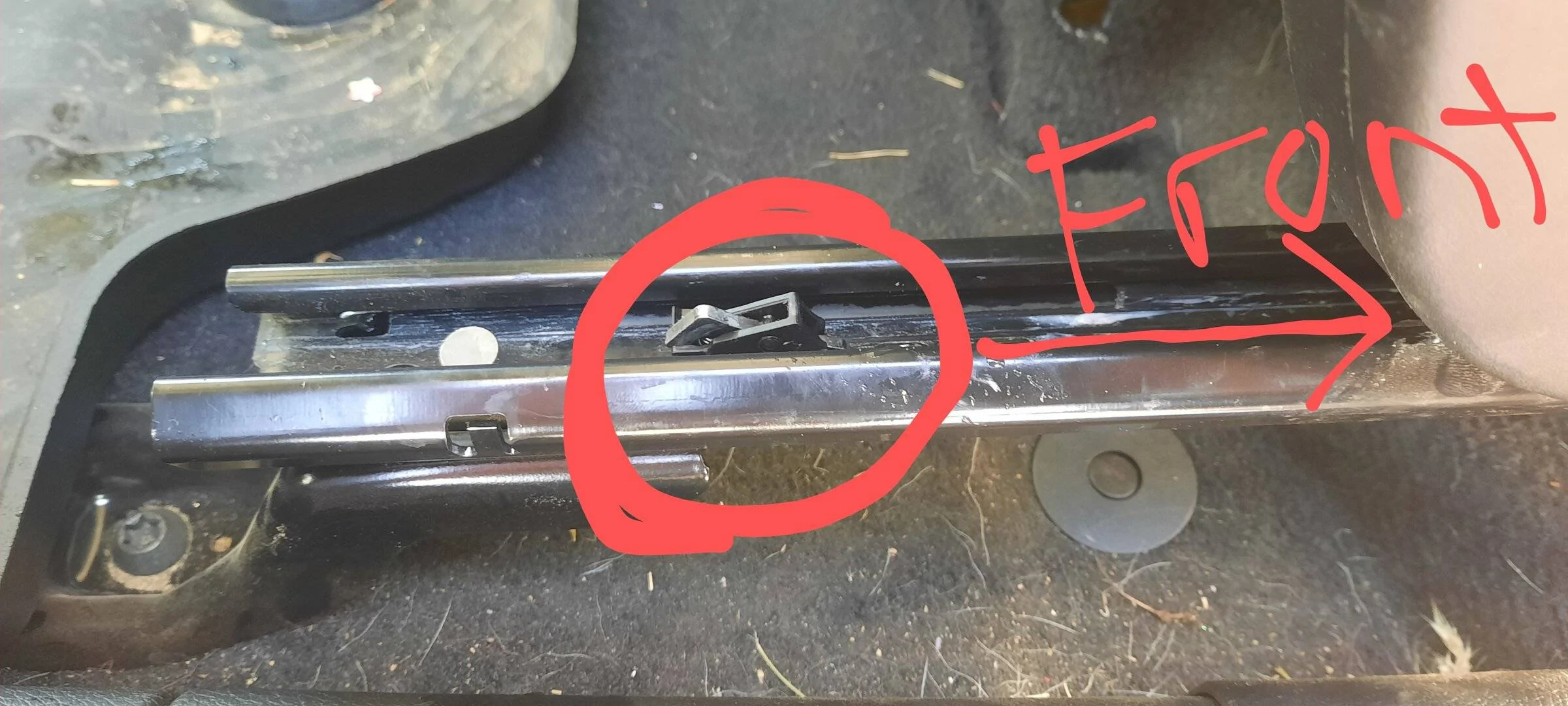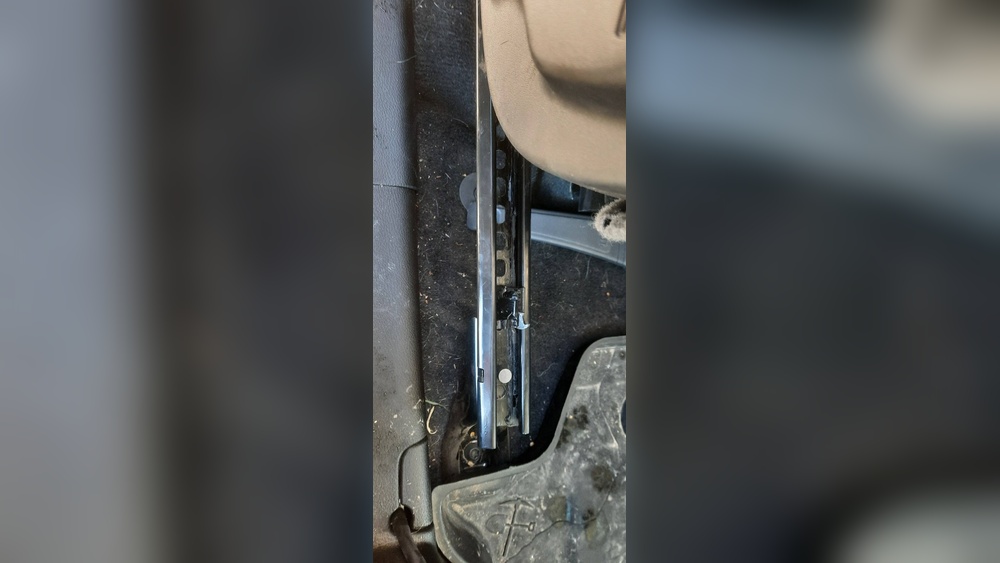
If you drive a Jeep, you know how important it is for every feature to work smoothly—especially your seat. When your Jeep seat gets stuck forward, it can turn a normal drive into a frustrating experience. You lose comfort, your driving posture suffers, and sometimes it even becomes unsafe. Many Jeep owners face this issue, but few understand why it happens or how to fix it without expensive visits to the dealer. This guide will help you understand the causes, solutions, and prevention tips for a stuck Jeep seat, so you can get back to driving comfortably and confidently.
Why Does A Jeep Seat Get Stuck Forward?
A seat stuck in the forward position is more than just an inconvenience. It often signals a mechanical or electrical problem in your Jeep’s seat adjustment system. Understanding the reasons behind this issue can help you find the right solution quickly.
Common Causes
- Mechanical Obstructions: Loose objects like coins, pens, or debris can block the seat rails.
- Broken Seat Tracks: Seat tracks, usually made of metal, may bend, rust, or break, stopping the seat from sliding.
- Damaged Adjustment Lever or Cable: The lever or cable that releases the seat lock can wear out or snap.
- Faulty Motor (for Power Seats): In Jeeps with power seats, the motor or electrical wiring can fail.
- Seat Lock Malfunction: Sometimes, the locking mechanism jams or doesn’t release properly.
Jeep Models Most Affected
Some Jeep models report more seat problems than others. According to owner surveys and repair forums:
- Jeep Wrangler (especially JK and JL models)
- Jeep Grand Cherokee
- Jeep Liberty
These models have manual and power seat variants, and the problem is common in both.
Non-obvious Insight
Many beginners overlook that seat movement can be blocked by the seatbelt buckle getting caught in the rails. Also, spilled drinks or sticky residue under the seat can harden and prevent movement.
Diagnosing A Stuck Jeep Seat
Before you try to fix the seat, it’s important to diagnose the exact cause. The method will differ depending on whether your seat is manual or power-operated.
How To Inspect A Manual Seat
- Check for Obstructions: Slide your hand under the seat and feel for any objects. Flashlights help.
- Test the Adjustment Lever: Push and pull the lever. If it feels loose or moves freely without effect, the cable might be broken.
- Look at the Seat Tracks: Inspect the rails for bends, rust, or visible damage.
How To Inspect A Power Seat
- Listen for Motor Noise: When pressing the seat button, does the motor make any sound? A humming noise means power is reaching the motor, but it’s stuck. Silence means possible electrical failure.
- Check Fuses: Locate the seat fuse in your Jeep’s fuse box and check if it’s blown.
- Inspect Wiring: Look for loose or damaged wires under the seat.
Example: Diagnosing A 2016 Jeep Wrangler
A 2016 Jeep Wrangler owner reported the seat stuck forward. After checking, they found a small toy wedged in the rail, which blocked the movement. Removing it solved the issue—no expensive repair needed.

Fixing A Stuck Forward Jeep Seat
Once you know the cause, you can decide how to fix the seat. The solution depends on whether your seat is manual or power-operated.
Manual Seat Solutions
- Remove Obstructions: Clear any debris, objects, or sticky residue.
- Lubricate the Rails: Use a silicone-based lubricant. Avoid oil-based products, which attract dirt.
- Repair the Lever/Cable: If the lever or cable is broken, you may need a replacement. Jeep parts dealers or junkyards can supply these.
- Straighten Bent Tracks: Use pliers to gently bend metal tracks back into shape. If badly damaged, replace the track.
Power Seat Solutions
- Reset the Seat Motor: Sometimes disconnecting the battery for 10 minutes resets the motor. After reconnecting, try moving the seat.
- Replace Blown Fuse: If the fuse is blown, replace it with a new one of the same rating.
- Check and Repair Wiring: Secure loose connections or replace damaged wires.
- Replace Faulty Motor: If the motor is dead, you’ll need a new one. This is more complex; consider professional help if you’re unsure.
Data: Repair Costs For Jeep Seats
To help you estimate the cost, here’s a comparison:
| Repair Type | Estimated Cost (USD) | DIY Difficulty |
|---|---|---|
| Obstruction removal | $0–$10 | Easy |
| Lubricating rails | $5–$15 | Easy |
| Lever/cable replacement | $20–$60 | Medium |
| Track repair/replacement | $40–$120 | Medium–Hard |
| Power seat motor replacement | $90–$250 | Hard |
| Fuse replacement | $2–$7 | Easy |
Non-obvious tip: Many owners forget to check for factory recalls related to seat mechanisms. Sometimes, Jeep will fix the issue for free if your model is affected.
Step-by-step Guide: Unsticking Your Jeep Seat
If you want to fix your Jeep seat yourself, follow these clear steps. Adjust for manual or power seats as needed.
Manual Seat: Step-by-step
- Move the Seat as Far Back as Possible: If you can, move it slightly to create space for inspection.
- Remove Floor Mats and Debris: Clear the area under the seat.
- Check for Obstructions: Use a flashlight and hand to feel along the rails.
- Clean and Lubricate Rails: Wipe rails with a cloth, apply silicone spray, and move the seat back and forth.
- Test Adjustment Lever: If the lever feels stuck, try spraying lubricant at its connection point.
- Inspect Tracks and Cable: Look for visible damage. Replace if needed.
Power Seat: Step-by-step
- Turn Off Your Jeep: Safety first.
- Check Fuse: Find the seat fuse in the fuse box and inspect it.
- Disconnect Battery: Wait 10 minutes, reconnect, and test the seat.
- Check Motor Sound: Press the seat button—listen for noise.
- Inspect Wiring: Look for loose or damaged wires under the seat.
- Remove Obstructions: Make sure nothing is blocking the rails.
- Try Manual Override: Some power seats have a manual release (check your owner’s manual).
Example: Fixing A Grand Cherokee Power Seat
A Grand Cherokee owner found their seat stuck. After disconnecting the battery and checking the fuse, they found a loose wire under the seat. Reconnecting it restored normal movement.
Preventing Future Jeep Seat Problems
Preventing your Jeep seat from getting stuck forward saves time and money. Here’s how you can reduce the risk:
Regular Maintenance Tips
- Clean Seat Rails Monthly: Remove dirt and objects from under the seat.
- Lubricate Rails Every 6 Months: Use silicone spray to keep movement smooth.
- Check Adjustment Mechanisms: Test levers and buttons regularly.
- Inspect Wiring Annually: Look for wear, especially in power seats.
Avoid Common Mistakes
- Don’t use WD-40 on seat rails—it attracts dust and causes future sticking.
- Avoid forcing the seat if it’s stuck. This can bend tracks or break mechanisms.
Non-obvious Prevention
Many Jeep owners don’t realize that using seat covers with pockets can drop items onto the rails, causing blockages. Choose covers without pockets near the seat edge.
When To Seek Professional Help
Some Jeep seat issues are easy to fix, but others require a mechanic. Here’s when you should consider professional assistance:
- Seat Track or Motor Replacement: If the part is complex or expensive.
- Electrical System Problems: If you find damaged wiring or blown electronics.
- Persistent Sticking: If the seat keeps getting stuck after home fixes.
Comparison: Diy Vs. Professional Repair
Here’s a quick look at the benefits and drawbacks:
| Repair Method | Pros | Cons | Avg. Cost |
|---|---|---|---|
| DIY | Low cost, personal satisfaction | Risk of incorrect fix, time-consuming | $0–$60 |
| Professional | Expert diagnosis, warranty | Higher cost, need to schedule | $80–$250 |
Extra insight: Many shops will diagnose the problem for free if you agree to repairs. Always ask for an estimate before work begins.
Jeep Seat Design And Common Flaws
Understanding how Jeep seats are designed can help you spot weaknesses before they cause trouble.
Seat Mechanism Overview
Most Jeep seats move forward and backward on metal tracks. Manual seats use a lever and cable system; power seats use a small motor.
- Manual Seats: Simpler, fewer electronic parts, but cables and levers can wear out.
- Power Seats: Convenient, adjustable, but motors and electronics add complexity.
Common Design Flaws
- Exposed Tracks: Easy for debris to enter.
- Weak Cable Attachments: Cables can pop loose under stress.
- Limited Access: Hard to reach under-seat mechanisms for cleaning or repairs.
Example: Jeep Liberty Seat Issue
The Jeep Liberty is known for seat cable detachment. Owners often report the cable popping off, which leaves the seat stuck forward. Jeep forums suggest using zip ties as a temporary fix.
Safety Risks Of A Stuck Jeep Seat
Driving with a stuck seat is not just uncomfortable—it can be dangerous.
Impact On Driving
- Poor Driving Position: You may sit too close to the steering wheel, increasing risk during airbag deployment.
- Limited Control: Harder to reach pedals or adjust mirrors.
- Blocked Rear Access: Passengers struggle to enter or exit the back.
Data: Accident Risk
According to the National Highway Traffic Safety Administration, improper seat position increases injury risk by up to 30% in frontal collisions.
Non-obvious tip: If you’re stuck in a forward position, avoid driving until the seat is fixed. It’s safer to wait than risk an accident.
Jeep Seat Repairs And Warranty
If your Jeep is still under warranty, some seat repairs may be covered.
Checking Your Warranty
- Look at your Jeep’s owner’s manual or warranty booklet.
- Many Jeep warranties cover seat mechanism failures within 3 years or 36,000 miles.
Using Recalls
Jeep sometimes issues recalls for seat mechanisms. Check your Vehicle Identification Number (VIN) on the official Jeep recall site.
Example: Recall For Jeep Grand Cherokee
In 2015, Jeep recalled thousands of Grand Cherokees for faulty seat tracks. Owners received free repairs.
For more information about car seat recalls, visit NHTSA Recall Database.
Frequently Asked Questions
What Should I Do First If My Jeep Seat Is Stuck Forward?
Start by checking for obstructions under the seat. Many times, small items block the rails and cause sticking. If the seat is clear, test the adjustment lever or button to see if it’s working.
Can I Fix A Stuck Power Seat Myself?
Yes, you can often fix a stuck power seat by checking the fuse, resetting the battery, and inspecting wiring. If the motor is broken, you may need professional help or a replacement part.
Is It Safe To Drive With The Seat Stuck Forward?
It’s not safe. Driving too close to the wheel increases the risk of injury in an accident. Fix the seat before driving, or use alternate transportation.
How Much Does It Cost To Repair A Jeep Seat Stuck Forward?
Costs range from $0 for simple fixes (like removing objects) to $250 for motor replacement. DIY repairs are cheaper, but professional help may be needed for complex issues.
Are Jeep Seats Covered Under Warranty?
Most Jeep warranties cover seat mechanism failures within the first 3 years or 36,000 miles. Check your warranty booklet or contact your dealer to confirm.
—
Dealing with a Jeep seat stuck forward can be annoying, but it’s usually fixable with careful inspection and the right approach. By understanding the causes, diagnosing the issue, and following practical repair steps, you can save money and restore comfort to your Jeep. Regular maintenance and smart prevention help avoid future problems, while knowing when to seek professional help ensures your safety. Remember, a well-adjusted seat isn’t just about comfort—it’s a key part of safe driving.