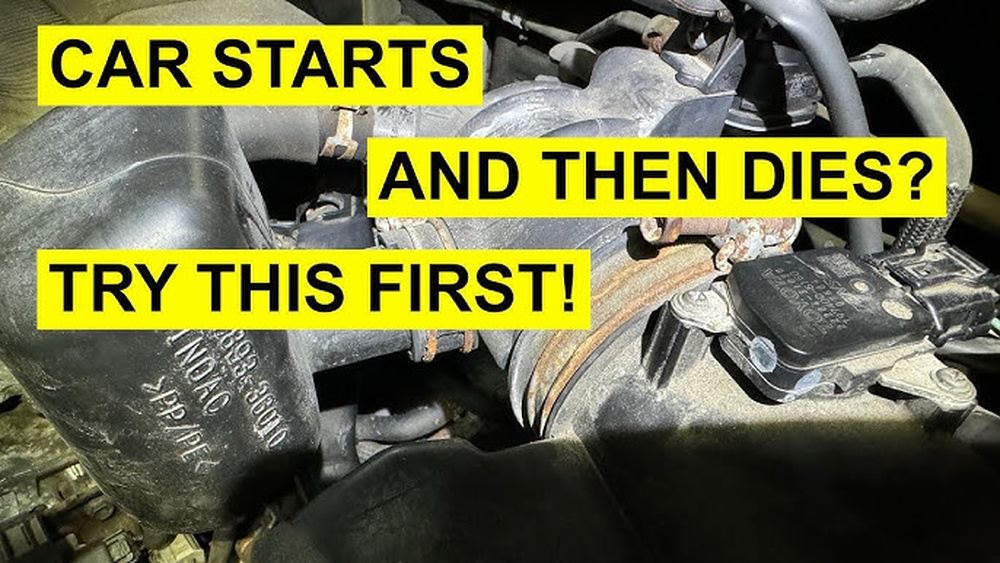
When your Jeep starts then dies unless you give it gas, it’s both frustrating and confusing. Imagine turning the key, hearing your engine start, but as soon as you let off the pedal, it sputters and stops. This problem is common for both older and newer Jeep models, and it can leave you stranded or worried about bigger issues. Good news: this symptom often points to a few main causes, many of which are easy to check and sometimes fix yourself.
Let’s explore why this happens, what parts are involved, and how you can diagnose or solve the problem. You’ll find practical advice, real-world examples, and easy-to-understand explanations—perfect for Jeep owners who may not have advanced mechanical skills but want to understand their vehicle better.
Why Your Jeep Starts And Dies Unless You Give It Gas
When your Jeep starts, the engine gets a shot of fuel and air. If it dies immediately unless you keep your foot on the gas, it means something isn’t letting your engine run smoothly at idle. This issue is usually related to the fuel system, air intake, or ignition components. Sometimes, it can also come from sensors or even the engine computer. The first step is to understand the basics of how your engine idles.
How Idle Works In A Jeep
When you start your Jeep, the idle air control (IAC) valve or throttle body allows enough air into the engine for it to run without you pressing the pedal. Fuel is added by injectors, and a spark ignites the mix. If any part of this process fails, your engine won’t stay running at idle.
Common reasons this happens:
- Not enough air at idle (dirty IAC valve or throttle body)
- Not enough fuel (weak fuel pump, clogged filter, bad injectors)
- Wrong signals to the computer (bad sensors)
- Ignition problems (weak spark)
Main Causes: Jeep Starts Then Dies Unless I Give It Gas
Jeep owners often find a few key parts at fault when facing this issue. Here’s a breakdown of the most common causes, what symptoms to look for, and why they matter.
1. Faulty Idle Air Control (iac) Valve
The IAC valve controls how much air gets into the engine when you’re not pressing the gas. If it’s dirty or stuck, your Jeep can start but not idle.
Symptoms:
- Engine starts, then stalls immediately
- Sometimes idles rough before dying
- May idle high or low at random
Why it matters: The IAC valve gets dirty over time, especially if you drive in dusty areas or have high miles. Even a small amount of carbon can make it stick.
2. Dirty Or Failing Throttle Body
The throttle body is the main door for air into your engine. It can get coated with carbon and oil, which blocks airflow.
Symptoms:
- Needs more gas to start and keep running
- Idle speed jumps up and down
- Hesitation or stalling at stoplights
Why it matters: A dirty throttle body is easy to clean, but often overlooked. Many mechanics recommend cleaning it every 30,000–50,000 miles.
3. Weak Fuel Pump Or Clogged Fuel Filter
A fuel pump sends gas from your tank to the engine. The fuel filter keeps dirt out. If either fails, your Jeep won’t get enough fuel to run at idle.
Symptoms:
- Sputtering, especially at low RPMs
- Needs gas pedal to stay running
- Hard starts, especially after sitting
Why it matters: Fuel issues often get worse with time. If your Jeep runs fine with extra gas but dies at idle, low fuel pressure is likely.
4. Faulty Sensors (map, Maf, Tps)
Modern Jeeps use sensors like MAP (Manifold Absolute Pressure), MAF (Mass Air Flow), and TPS (Throttle Position Sensor) to balance fuel and air.
Symptoms:
- Check engine light may be on
- Idle problems, stalling, or misfires
- Unusual engine behavior with temperature changes
Why it matters: A sensor giving wrong readings sends the wrong instructions to the engine computer. This is a common cause on 1996+ Jeep models.
5. Vacuum Leaks
A vacuum leak means extra, unmetered air is getting into your engine. This throws off the air-fuel mix.
Symptoms:
- High or surging idle
- Hissing noise under the hood
- Engine code for “lean” condition
Why it matters: Vacuum leaks can be tiny (from a cracked hose) but cause big problems. They’re easy to miss, especially on older Jeeps.
6. Bad Ignition System (coil, Wires, Plugs)
If your spark plugs, ignition coil, or wires are worn out, your Jeep may not idle without extra fuel.
Symptoms:
- Rough start, especially when cold
- Backfiring or popping
- Dies when you take your foot off the gas
Why it matters: Weak ignition makes it hard to burn fuel, especially at idle. Many Jeep owners don’t replace these parts often enough.
7. Faulty Engine Computer (ecu/pcm)
Rarely, the engine control unit (ECU or PCM) can fail. This sends wrong instructions to fuel and air systems.
Symptoms:
- Intermittent stalling
- No clear cause after checking all basics
- Trouble codes that don’t match symptoms
Why it matters: ECU failure is rare but possible, especially after water damage or electrical problems.
8. Anti-theft Or Security System Problems
Some newer Jeeps (and some older models) have security systems that cut fuel or spark if there’s a problem.
Symptoms:
- “Security” or “theft” light flashes
- Engine starts but dies in 1–2 seconds
- No response from key fob
Why it matters: Jeep anti-theft features can act up if your battery was replaced or the key transponder is not recognized.
Diagnosing The Problem: Where To Start
Finding out exactly why your Jeep starts and dies is a process of elimination. Start with the easiest checks and move to the harder ones.
Step 1: Listen And Observe
- Does the engine start and die right away, or run rough first?
- Is the check engine light on?
- Do you hear a hissing, clicking, or whining sound?
Step 2: Scan For Error Codes
Use an OBD-II scanner (for 1996+ Jeeps) to check for trouble codes. Even older models often have simple code readers.
- Codes for sensors, misfires, or “lean” conditions point to the problem.
- No codes? Focus on air and fuel delivery first.
Step 3: Visual Inspection
- Check for cracked vacuum hoses, loose connections, or obvious leaks.
- Inspect the throttle body for dirt or carbon buildup.
- Look at wiring to sensors and the IAC valve.
Step 4: Simple Tests
- Try starting with a little gas pedal—does it stay running?
- Spray a little carb cleaner around vacuum hoses with the engine running (if idle changes, you found a leak).
- Disconnect and reconnect the IAC valve or TPS to see if idle changes.
Step 5: Fuel Pressure Test
If you suspect a fuel issue, use a pressure gauge at the fuel rail. Compare your reading to factory specs (usually 49 psi for Jeep 4. 0L engines).
Pro tip: Fuel problems often show up most when the engine is cold or just started, not after running for a while.
How To Fix: Step-by-step Solutions
Here’s how to solve the most common causes, from easiest to more complex. Many Jeep owners can do these steps at home with basic tools.
Cleaning The Iac Valve
- Disconnect the battery.
- Remove the IAC valve (usually two screws, near the throttle body).
- Clean with throttle body or carb cleaner—remove all carbon and dirt.
- Let dry, reinstall, and reconnect the battery.
Tip: Don’t force the IAC valve open; it’s delicate.
Cleaning The Throttle Body
- Remove the air intake hose.
- Open the throttle plate by hand.
- Spray throttle body cleaner onto a rag (not directly into the engine).
- Wipe inside the bore and plate until clean.
- Reinstall the hose and check idle.
Tip: A clean throttle body can prevent many idle and stalling issues.
Replacing Fuel Filter
- Relieve fuel pressure (remove fuel pump relay, try to start engine).
- Remove fuel lines from filter (wear eye protection).
- Replace filter with new one, making sure it’s pointed the right way.
- Reconnect lines, turn key to prime, and check for leaks.
Tip: Most Jeep fuel filters are under the car, near the gas tank.
Checking And Replacing Sensors
If you have a code for a bad sensor (MAP, MAF, TPS):
- Unplug the sensor and look for corrosion or broken wires.
- Replace with an exact match (Jeep sensors are sensitive to brand).
- Clear codes and test drive.
Pro insight: Cheap sensors often cause more trouble. Use original parts when possible.
Fixing Vacuum Leaks
- Replace any cracked, dry, or loose hoses.
- Use a smoke machine or carb spray to check for hidden leaks.
- Tighten all hose clamps and intake bolts.
Ignition System Refresh
- Replace spark plugs (use the gap recommended for your engine).
- Replace plug wires if cracked or more than 60,000 miles old.
- Replace the ignition coil if you have weak spark or misfire codes.
Real-world tip: Many stalling issues in older Jeeps are solved with new plugs and wires.
Addressing Ecu Or Security System
- Disconnect the battery for 15 minutes to reset the computer.
- For security issues, try using a spare key or reprogramming with the dealer.
- If ECU failure is suspected, have it tested by a professional.

Jeep Models Most Affected
Not all Jeeps are equally likely to have this problem. Here’s a comparison of popular models and how often owners report “starts then dies” issues.
| Jeep Model | Years Affected | Common Cause |
|---|---|---|
| Wrangler (TJ, YJ, JK) | 1987–2018 | IAC valve, throttle body, vacuum leaks |
| Cherokee (XJ) | 1984–2001 | Fuel pump, sensors, vacuum leaks |
| Grand Cherokee (ZJ, WJ, WK) | 1993–2010 | Fuel filter, TPS, security system |
| Liberty (KJ, KK) | 2002–2012 | Throttle body, IAC valve |
Insight: Older Jeeps (especially XJ and TJ) are more likely to have IAC and vacuum leak issues, while newer models may have sensor or security system problems.
When To Call A Mechanic
Some “starts then dies” problems are easy fixes. But there are times when you should get professional help:
- You’ve checked all basic parts and still have the issue
- You don’t have the tools to test fuel pressure or scan codes
- The engine stalls while driving, not just at idle
- You suspect ECU or wiring harness problems
A good mechanic can do advanced diagnostics, like checking with a scope or doing smoke tests for vacuum leaks.
Interesting fact: According to a survey by AAA, over 35% of breakdowns are due to engine or fuel system problems—many of which start as idle or stalling issues.
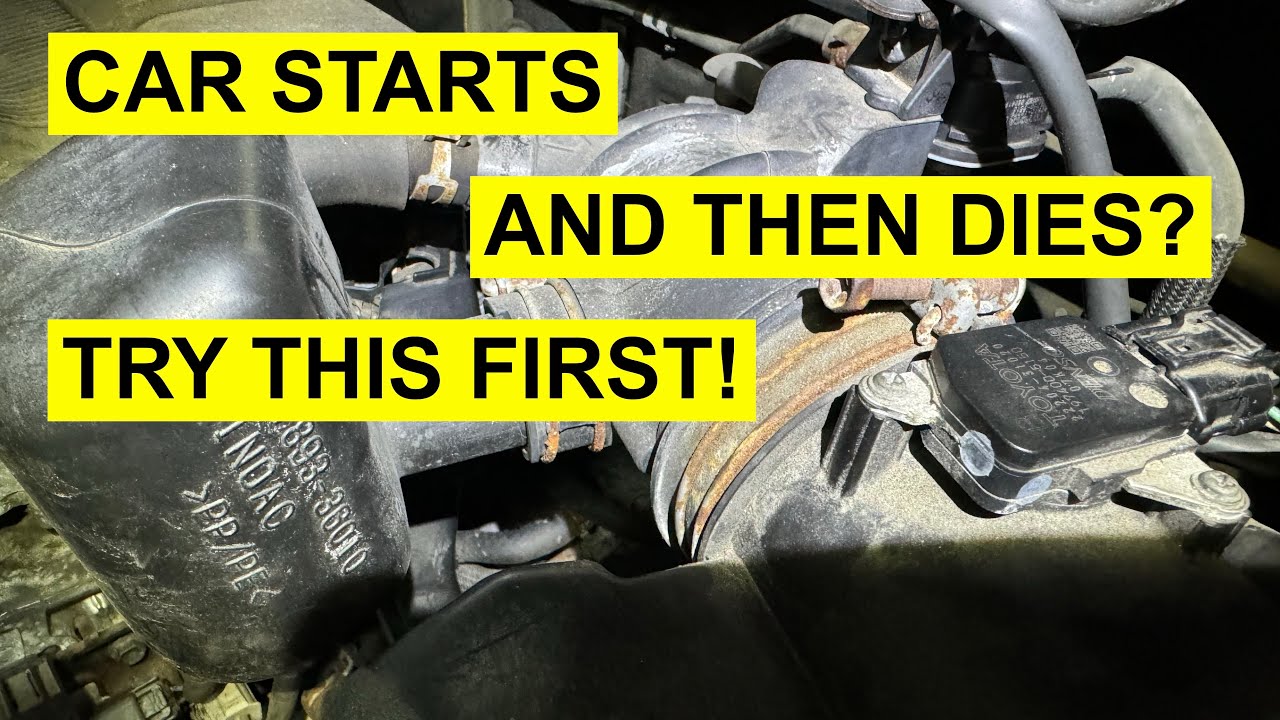
Preventing The Problem: Maintenance Tips
Regular maintenance is the best way to prevent your Jeep from starting then dying. Here are smart habits to keep it running strong:
- Change the air filter every 12,000–15,000 miles.
- Clean the throttle body and IAC valve every 30,000 miles.
- Replace spark plugs and wires as recommended.
- Inspect vacuum hoses for cracks every oil change.
- Use high-quality fuel to prevent injector and filter clogs.
- Fix check engine lights quickly—don’t ignore warning signs.
Real-world Example: Jeep Owner Stories
Sometimes, the best lessons come from people who have faced this issue themselves.
- Mark, 2002 Wrangler: “Mine started and died unless I kept my foot on the gas. A $10 can of throttle body cleaner and 30 minutes fixed it. The IAC was black with carbon.”
- Lisa, 1997 Cherokee: “I replaced the fuel filter and it ran fine for months. When it happened again, it was a cracked vacuum hose. Both were cheap fixes.”
- Jorge, 2005 Grand Cherokee: “Dealer said I needed a new computer, but it was just a bad TPS sensor. Always scan for codes before replacing expensive parts.”
These stories show that most fixes are simple, but you need to be patient and check each system.
Advanced Troubleshooting: For Persistent Problems
If you’ve tried all the basic steps and your Jeep still starts and dies, consider these advanced checks:
Testing For Hidden Vacuum Leaks
Use a smoke machine—mechanics blow smoke into the intake, and leaks show up as wisps of smoke from hoses or gaskets. You can also listen for hissing sounds.
Checking For Fuel Injector Problems
If one injector is clogged, the engine may start and die, especially when cold. A mechanic can use a “noid light” to check injector pulse.
Inspecting The Crankshaft Position Sensor
A failing crankshaft position sensor can cause starting and stalling issues, but usually triggers a check engine light. This sensor is hard to reach on some Jeeps.
Ecu Reflash Or Replacement
Rarely, the ECU software may be corrupted. Dealers can “reflash” or update the computer. In some cases, replacing the ECU is the only fix.
| Diagnostic Method | Difficulty Level | Tools Needed |
|---|---|---|
| OBD-II Scan | Easy | Code reader |
| Fuel Pressure Test | Medium | Pressure gauge |
| Vacuum Leak Check | Medium | Carb cleaner or smoke machine |
| Injector Test | Hard | Noid light, multimeter |
| ECU Test | Hard | Dealer tools |
What Many Jeep Owners Miss
Even experienced Jeep owners overlook these two points:
- After cleaning or replacing parts, reset the computer by disconnecting the battery for 10–15 minutes. This lets the Jeep “relearn” idle settings.
- Aftermarket sensors and parts can cause problems—especially for MAP, TPS, and crank sensors. Stick to OEM (original) parts when possible.
Also, remember that multiple small problems can add up. For example, a slightly dirty IAC valve plus a weak spark plug can cause stalling, even if neither part is totally failed.
Frequently Asked Questions
Why Does My Jeep Only Run If I Press The Gas?
This means the engine isn’t getting enough air or fuel at idle. Common causes are a dirty IAC valve, throttle body, or weak fuel pressure. Sensor or vacuum leaks are also possible.
Can I Drive My Jeep If It Starts Then Dies At Idle?
It’s not safe or good for your engine. You might manage by keeping your foot on the gas, but this can cause more damage, especially if the problem is fuel-related.
Will A Bad Battery Cause My Jeep To Start Then Die?
A weak battery can cause starting problems, but usually not stalling after starting. However, if the battery is so low that the computer resets, it might trigger security or idle issues.
How Much Does It Cost To Fix This Problem?
Costs depend on the cause:
- Cleaning IAC or throttle body: $10–$50 (DIY)
- Replacing sensors: $30–$150 per part
- Fuel pump: $200–$600 (parts and labor)
- Professional diagnostics: $100–$200
Where Can I Find More Help With Jeep Stalling Issues?
The JeepForum and the official Jeep website have many guides and owner discussions. For technical bulletins, check the manufacturer’s site or ask your local dealer.
Your Jeep is built to be tough, but even the best vehicles need basic care. If your Jeep starts then dies unless you give it gas, take a step-by-step approach and you’ll likely find an easy fix. Don’t ignore the problem—small issues can become big repairs if left unsolved.
Armed with the right knowledge, you can keep your Jeep running strong and enjoy the adventure ahead.